Why It Matters
The degradation of Sudan’s health infrastructure threatens millions of lives and risks violating international humanitarian law, pressuring global donors and policymakers to intervene urgently.
Key Takeaways
- •217 attacks on Sudan health facilities since April 2025.
- •UN experts cite failure to enforce Resolution 2286.
- •34 million Sudanese need aid; health system near collapse.
- •Recent hospital strike killed 64, including 13 children.
- •International inaction risks labeling attacks as war crimes.
Pulse Analysis
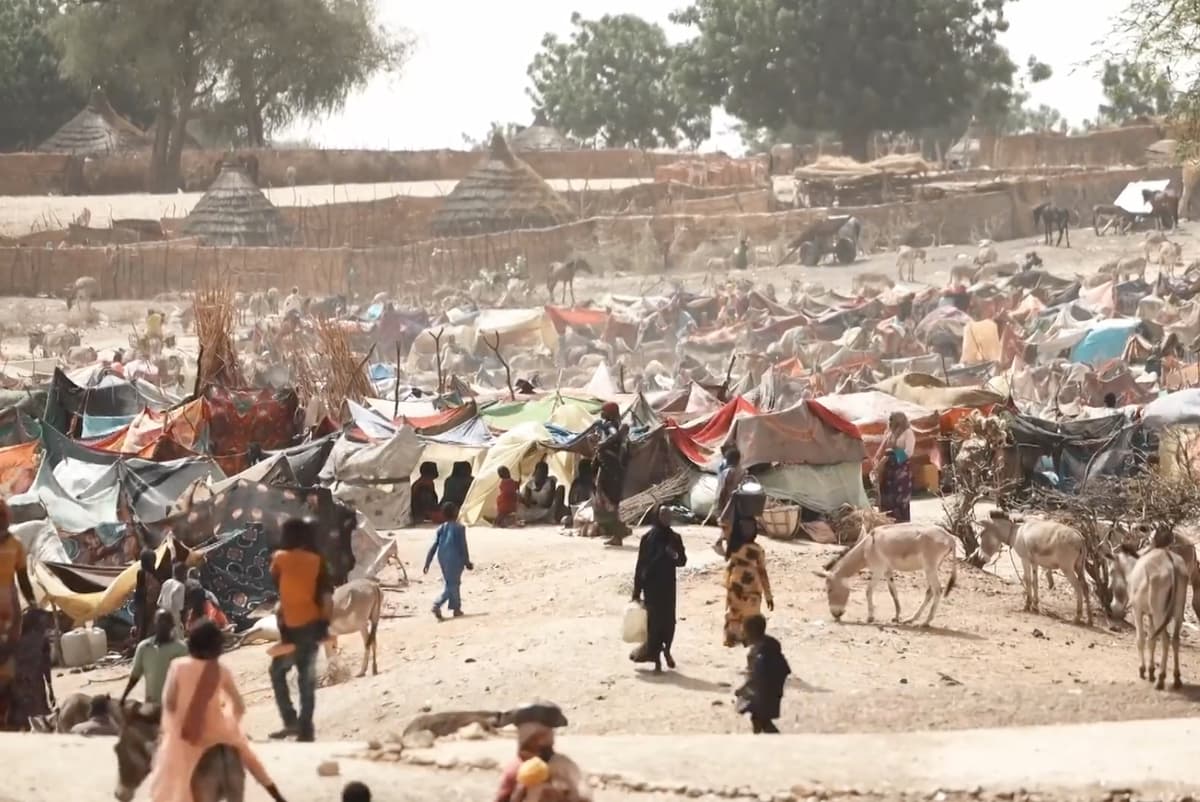
The war in Sudan, now in its third year, has morphed into the world’s worst humanitarian crisis, with an estimated 34 million people requiring assistance. Health facilities, once community lifelines, have become targets; the World Health Organization recorded 217 attacks on hospitals and clinics since April 2025. The most recent assault on Al Deain Teaching Hospital alone caused 64 casualties, underscoring how civilian medical care is being weaponized and driving the health system toward total collapse.
International law offers a clear framework: UN Security Council Resolution 2286, adopted in 2016, explicitly condemns attacks on medical personnel, facilities, and transport. Yet UN experts argue that the resolution remains a paper promise, citing the lack of accountability for perpetrators and the continued impunity that fuels further violations. Legal scholars warn that systematic targeting of health services may rise to the level of war crimes, invoking the principle of command responsibility and obligating the global community to investigate and prosecute.
The stakes extend beyond Sudan’s borders. A crippled health system amplifies disease outbreaks, strains neighboring countries receiving refugees, and erodes global health security. Donors and multilateral agencies face mounting pressure to translate rhetoric into concrete measures—such as protective monitoring, sanctions on violators, and robust funding for emergency medical supplies. Without decisive action, the humanitarian fallout could set a dangerous precedent, normalizing attacks on health infrastructure in conflict zones worldwide.
UN experts condemn attacks on Sudan healthcare system
Comments
Want to join the conversation?
Loading comments...