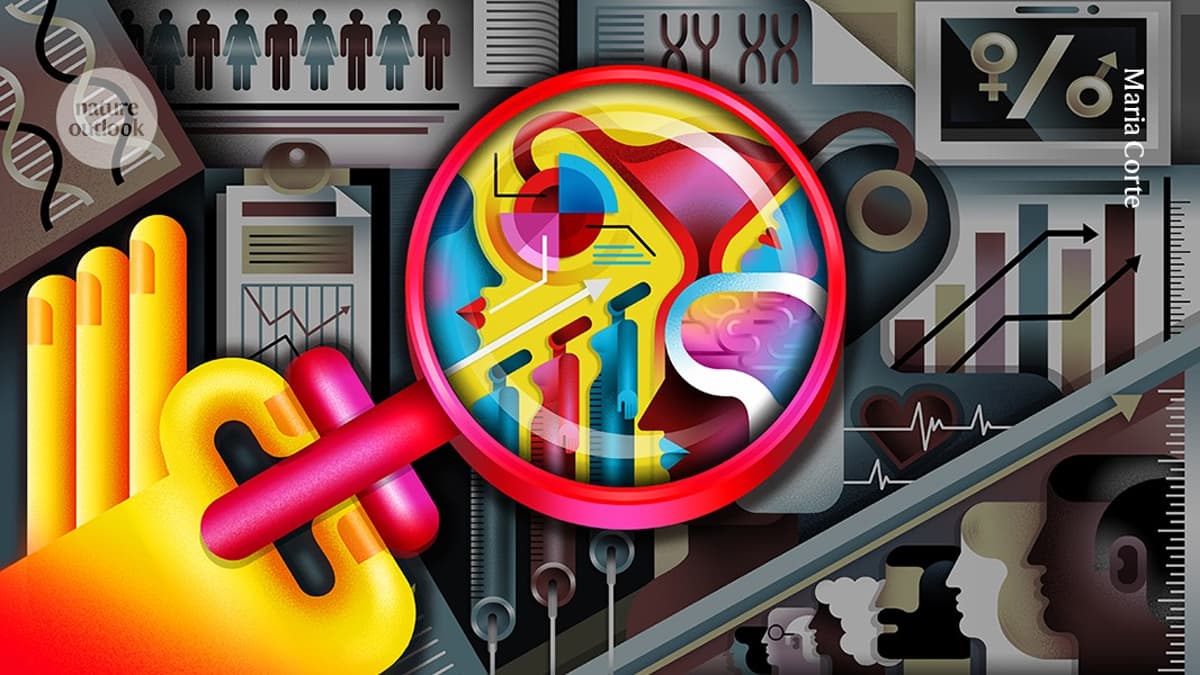
Uncharted: Understanding Women’s Health Across the Body
•March 6, 2026
0
Why It Matters
Understanding sex‑specific health patterns is essential to design safer drugs, accurate diagnostics, and equitable public‑health policies, ultimately reducing morbidity and mortality for half the population.
Key Takeaways
- •NIH policy 2016 mandates sex as biological variable
- •Women face higher disease burden despite longer lifespans
- •Sex‑disaggregated data reveals treatment side‑effect disparities
- •COVID‑19 sex‑disaggregated reporting limited to 140 countries
- •Incorporating gender improves diagnosis and outcomes
Pulse Analysis
The historical under‑representation of women in clinical trials and pre‑clinical studies has left a critical knowledge gap that modern policy is finally addressing. The 2016 NIH requirement to include sex as a biological variable, echoed by the EU and Canada, forced researchers to revisit legacy datasets and design new studies with gender balance. This shift has sparked a wave of sex‑disaggregated analyses, uncovering hidden patterns in disease prevalence, drug toxicity, and health‑service utilization that were previously masked by aggregated data.
Across disease domains, the impact of disaggregated data is becoming evident. Large‑scale epidemiological work shows women experience a greater burden of chronic conditions such as depression, musculoskeletal disorders, and certain side‑effects from chemotherapy, even though men die earlier from acute illnesses like heart disease and lung cancer. In the COVID‑19 pandemic, only 140 of 206 countries reported sex‑specific mortality and testing figures, obscuring gendered risk profiles and leading to one‑size‑fits‑all policies. These insights are prompting revisions of clinical guidelines, targeted public‑health campaigns, and more nuanced drug‑development pipelines that account for hormonal and metabolic differences.
Looking ahead, the challenge is to make sex‑ and gender‑disaggregation routine rather than exceptional. Researchers must standardize data collection, distinguish biological sex from socially constructed gender, and ensure inclusion of transgender and intersex populations. Policymakers can reinforce progress by tying funding to transparent reporting standards and by incentivizing the use of female cell lines and animal models. As the evidence base expands, health systems that integrate these insights will be better equipped to deliver personalized, equitable care, reducing the hidden costs of gender bias in medicine.
Uncharted: Understanding women’s health across the body
0
Comments
Want to join the conversation?
Loading comments...