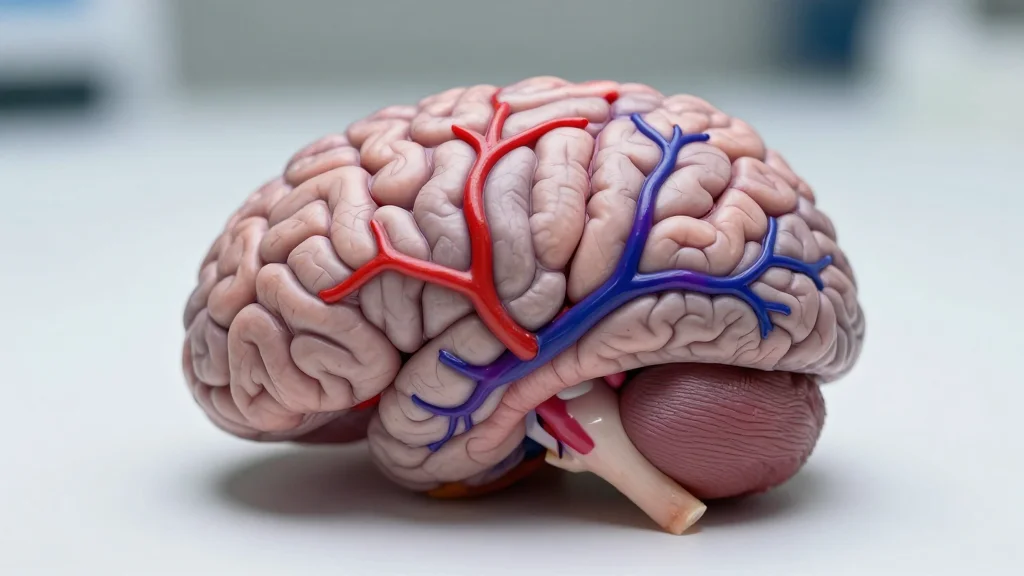
Unique Risks and Injuries in Preterm PAIS, CSVT
Why It Matters
The findings highlight a critical gap in current neonatal stroke care, urging tailored diagnostics and therapies that could markedly improve long‑term neurodevelopmental outcomes for preterm infants.
Key Takeaways
- •Preterm PAIS shows multifocal arterial lesions unlike term infants
- •CSVT in preterms favors deep venous system thrombosis
- •Maternal chorioamnionitis and preeclampsia associate with both stroke types
- •Male preterm infants have higher incidence of venous thrombosis
- •Early MRI patterns predict motor deficits and epilepsy risk
Pulse Analysis
Neonatal cerebrovascular injury remains a leading cause of morbidity in the most vulnerable patients, yet most clinical guidelines are derived from studies of term infants or older children. The immature vasculature, underdeveloped hemostatic mechanisms, and exposure to perinatal inflammation create a unique risk landscape for preterm neonates. As neonatal intensive care units adopt higher‑resolution imaging and molecular diagnostics, the ability to differentiate arterial from venous events early on becomes essential for directing appropriate interventions and allocating specialist resources.
Dunbar's 2026 cohort leveraged diffusion‑weighted MRI and MR venography to map lesion distribution with unprecedented precision. The study documented that PAIS in preterms often presents as scattered, multifocal infarcts, while CSVT preferentially involves the deep cerebral venous system, a pattern linked to maternal chorioamnionitis, preeclampsia, and neonatal sepsis. Biomarker analysis revealed divergent activation of pro‑thrombotic pathways, and a striking male predominance in venous thrombosis, suggesting hormonal or genetic modifiers. Importantly, longitudinal follow‑up showed that infants with extensive venous infarcts faced higher rates of motor impairment and epilepsy, underscoring the prognostic value of early imaging signatures.
These insights compel a shift toward precision‑medicine protocols tailored to preterm physiology. Routine screening of high‑risk infants—combining clinical risk scores, targeted coagulation panels, and early MRI—could enable timely anticoagulation or neuroprotective strategies that are currently absent from standard practice. Moreover, the integration of sex‑specific risk stratification and genomic data opens avenues for personalized therapeutic trials. As the field moves toward predictive algorithms, policymakers and neonatal networks must invest in training, equipment, and multidisciplinary follow‑up to translate these research gains into measurable reductions in long‑term disability.
Unique Risks and Injuries in Preterm PAIS, CSVT
Comments
Want to join the conversation?
Loading comments...