Unplanned Cesarean Delivery Increases Peritraumatic Stress Risk
Why It Matters
The findings highlight a critical gap in perinatal mental‑health screening, suggesting that early detection of trauma‑related stress could prevent long‑term psychological harm and improve bonding outcomes.
Key Takeaways
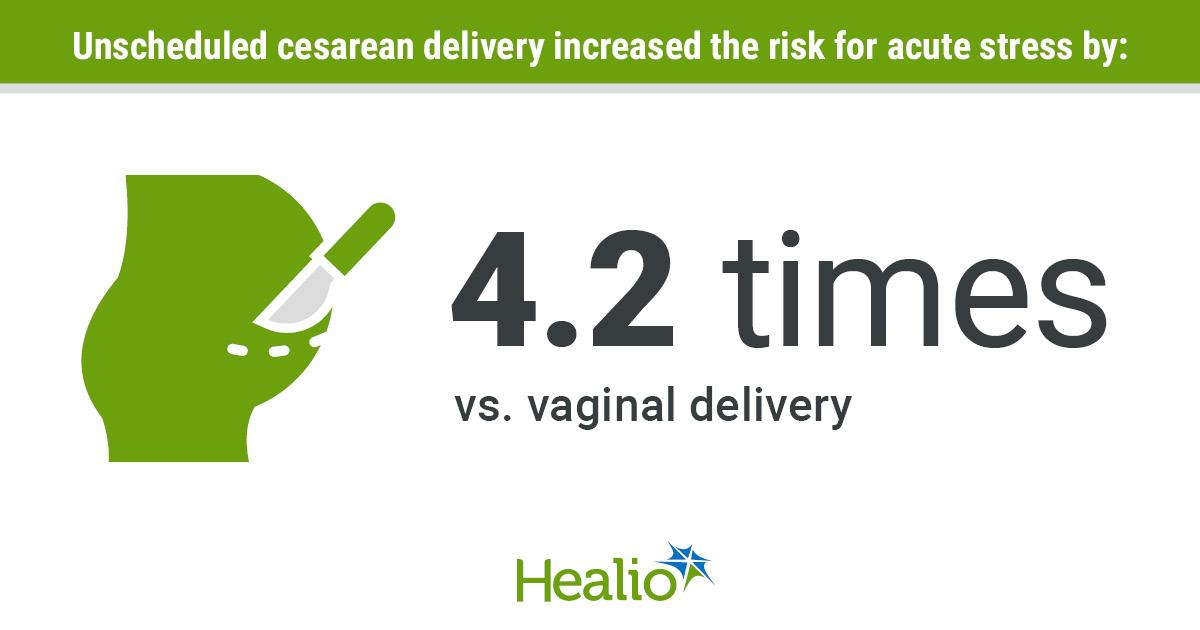
- •Unscheduled C‑sections increase acute stress risk 4.2‑fold versus vaginal birth.
- •26.6% of unscheduled C‑section patients met acute stress criteria.
- •Acute stress predicts higher postpartum depression, PTSD symptoms, and weaker bonding.
- •Study suggests need for immediate trauma‑informed screening after birth.
Pulse Analysis
Unscheduled cesarean deliveries have long been examined through the lens of physical outcomes, yet this new research shifts attention to the psychological toll of unexpected surgery. By analyzing over a thousand postpartum patients, investigators discovered that more than one in four women undergoing an unplanned C‑section experienced clinically significant acute stress, a rate dramatically higher than the 6% observed after vaginal births. The study’s adjusted relative risk of 2.6 underscores that the stress response is not merely a by‑product of surgical intervention but a distinct peritraumatic reaction with measurable downstream effects.
The implications for obstetric care are profound. Current perinatal mental‑health protocols primarily screen for depression, leaving trauma‑related conditions largely undetected. Integrating brief, validated tools such as the Peritraumatic Distress Inventory into routine post‑delivery assessments could identify at‑risk mothers within hours of birth, enabling timely referrals to counseling or peer‑support programs. Health systems stand to benefit from reduced long‑term treatment costs, as early intervention may curb the progression to chronic PTSD and associated depressive disorders, which are known to increase healthcare utilization and diminish workforce productivity.
Beyond the clinical setting, the study spotlights the ripple effect of maternal stress on infant development. Weaker bonding linked to acute stress can impair early attachment, influencing cognitive and emotional growth trajectories. Policymakers and hospital administrators should therefore prioritize trauma‑informed training for labor and delivery staff, ensuring that communication, consent, and post‑operative support mitigate the shock of an unexpected surgical birth. Continued research will be essential to refine screening thresholds and evaluate intervention efficacy, ultimately fostering a more holistic approach to maternal and child health.
Unplanned cesarean delivery increases peritraumatic stress risk
Comments
Want to join the conversation?
Loading comments...