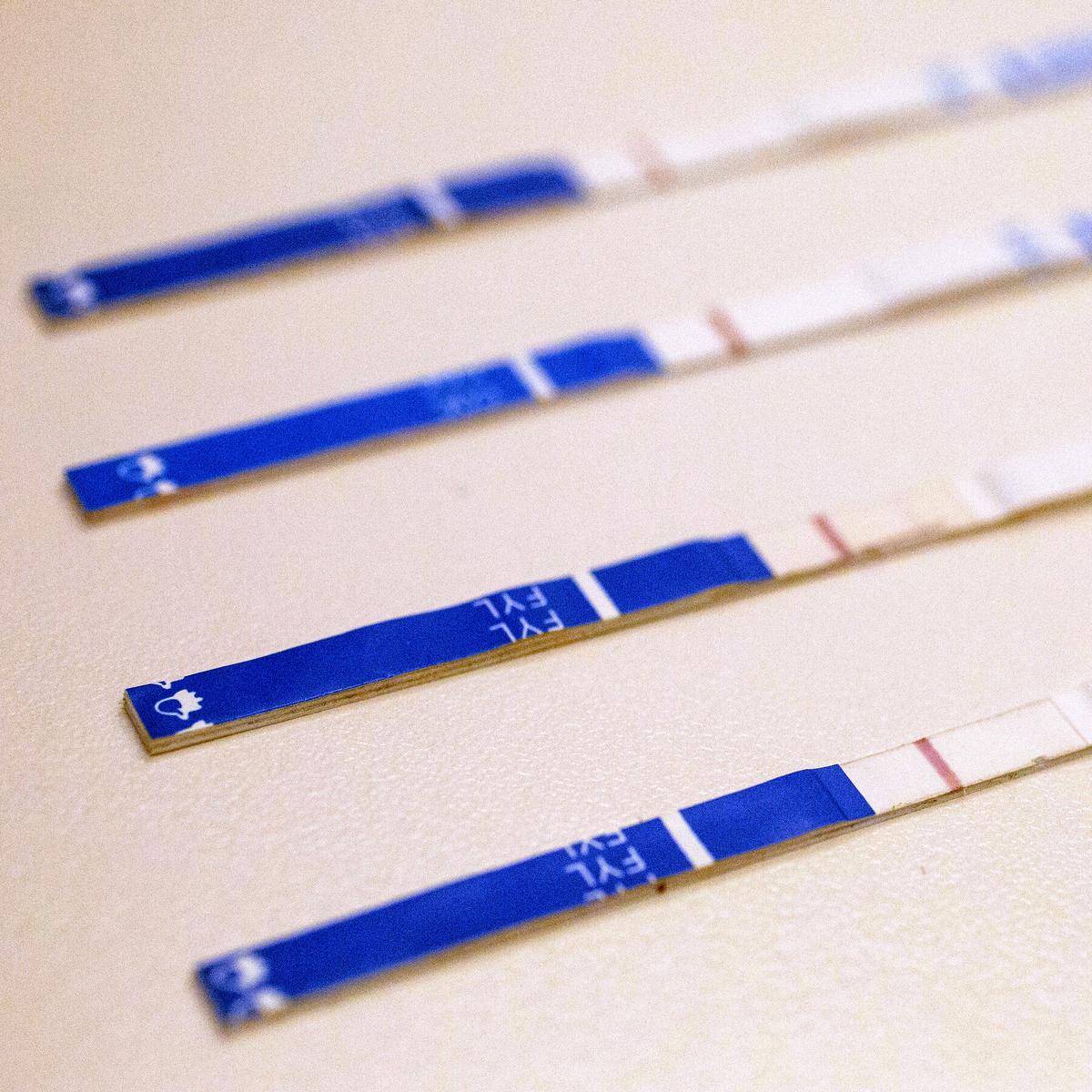
U.S. Government Will Stop Paying for Test Strips to Detect Deadly Drugs
Why It Matters
Removing federal funding could limit access to a low‑cost overdose‑prevention tool, potentially increasing fatal overdoses. The decision signals a shift in national drug‑policy stance, affecting public‑health initiatives.
Key Takeaways
- •SAMHSA ends federal payments for fentanyl test strips.
- •Policy cites strips as “intended for drug users,” encouraging use.
- •Programs nationwide risk losing free test strips for overdose prevention.
- •Harm‑reduction approach faces renewed political opposition under Trump.
- •Overdose deaths could rise without widespread testing availability.
Pulse Analysis
The paper‑based fentanyl test strip has become one of the simplest yet most effective tools in America’s overdose‑prevention arsenal. Since the Substance Abuse and Mental Health Services Administration (SAMHSA) began subsidizing the devices in 2021, state health departments, college health centers, and community clinics have distributed millions of strips free of charge. By allowing users to detect the presence of fentanyl or other lethal adulterants in substances ranging from cocaine to counterfeit pills, the strips have helped avert countless fatal overdoses, especially in regions where illicit drug supplies are increasingly unpredictable.
The Trump administration’s latest letter marks a stark reversal of that federal commitment, arguing that providing test strips implicitly encourages drug consumption. Critics contend the policy reflects a broader ideological push against harm‑reduction strategies that gained traction under the previous administration. Harm‑reduction advocates argue that access to accurate drug‑purity information not only saves lives but also creates a bridge to treatment services. By withdrawing funding, the government is effectively shifting the narrative from public‑health‑oriented prevention to a more punitive, abstinence‑focused approach.
With federal dollars withdrawn, many local programs face budget shortfalls that could curtail distribution of test strips at schools, festivals, and syringe‑exchange sites. Some jurisdictions may seek private philanthropy or state appropriations to fill the gap, but the scale of need—estimated at several hundred thousand strips annually—makes up‑scaling challenging. Public‑health experts warn that reduced testing availability could lead to a spike in overdose deaths, especially as synthetic opioids continue to infiltrate the drug market. The episode underscores how policy swings can directly affect frontline interventions that keep communities safe.
U.S. Government Will Stop Paying for Test Strips to Detect Deadly Drugs
Comments
Want to join the conversation?
Loading comments...