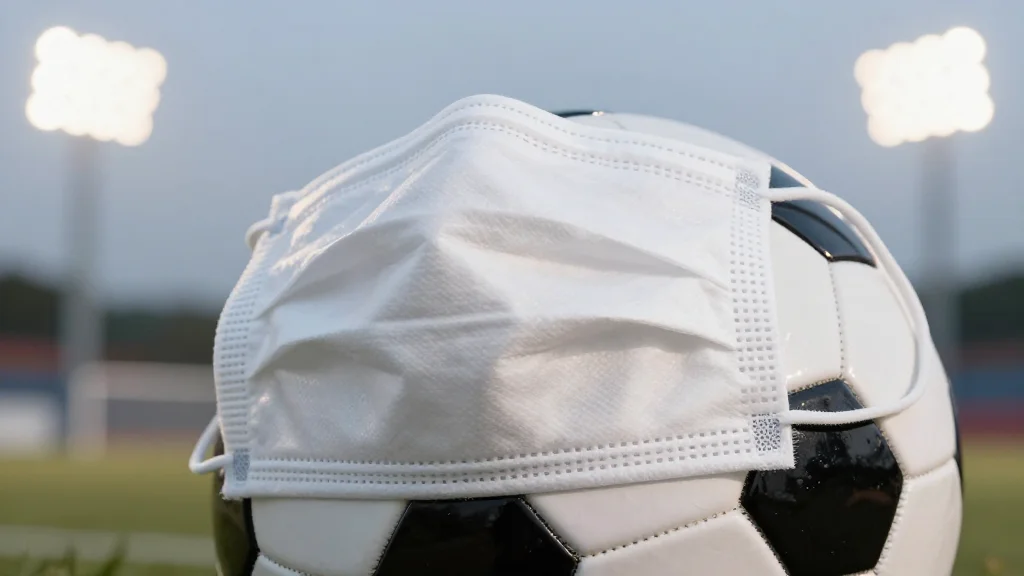
U.S. Public Health Officials Warn Outbreak Risks Ahead of 2026 World Cup

Why It Matters
The 2026 FIFA World Cup will be the largest mass‑gathering event in U.S. history, drawing millions of international visitors to 16 cities across three countries. Inadequate public‑health planning not only threatens the health of fans, athletes, and local residents, but also poses a national security risk, as infectious disease outbreaks can strain emergency services, disrupt travel, and damage the United States' reputation as a safe host for global events. The detection of measles in wastewater underscores how quickly pathogens can circulate in densely populated venues, making a coordinated, well‑funded response essential. Beyond the immediate tournament, the gaps highlighted by officials could set a precedent for future large‑scale events, from the Olympics to major conventions. A failure to integrate public‑health funding and command structures now may embolden policymakers to overlook health security in other high‑risk gatherings, increasing the likelihood of preventable outbreaks and eroding public confidence in government preparedness.
Key Takeaways
- •$625 million allocated for World Cup security, zero for public health (FEMA)
- •Measles virus detected in Kansas City wastewater ahead of matches (Brown University)
- •No national CDC risk assessment; local health departments left to self‑assess
- •Dr. Ziad Memish warns lack of single command "is critical" for outbreak control
- •U.S. Soccer says public‑health preparedness "falls to local host cities"
Pulse Analysis
The absence of a dedicated public‑health budget for the 2026 World Cup reflects a broader policy blind spot where security spending eclipses health security. Historically, mass‑gathering events have spurred the creation of integrated health command centers—Germany’s 2006 World Cup and the 2010 Vancouver Olympics both instituted centralized disease surveillance units after early outbreaks. The U.S. decision to forgo a similar structure, despite the tournament’s unprecedented scale, suggests a misalignment between perceived threats and actual risk calculations.
From a market perspective, the funding gap creates opportunities for private‑sector health‑security firms that can fill the coordination void. Companies specializing in real‑time pathogen monitoring, rapid‑deployment vaccination clinics, and mobile diagnostic labs may see heightened demand from state and local health agencies scrambling to patch the federal shortfall. However, without a unified command, data sharing will remain fragmented, limiting the effectiveness of any commercial solutions.
Looking ahead, the pressure will likely mount on Congress and the White House as the tournament progresses. If an outbreak materializes—whether measles, norovirus, or a novel pathogen—the political fallout could be severe, prompting emergency appropriations and a retroactive overhaul of health‑security protocols for future events. The current situation serves as a cautionary tale: robust, pre‑emptive public‑health investment is not a luxury but a prerequisite for safely hosting the world’s biggest sporting spectacles.
U.S. Public Health Officials Warn Outbreak Risks Ahead of 2026 World Cup
Comments
Want to join the conversation?
Loading comments...