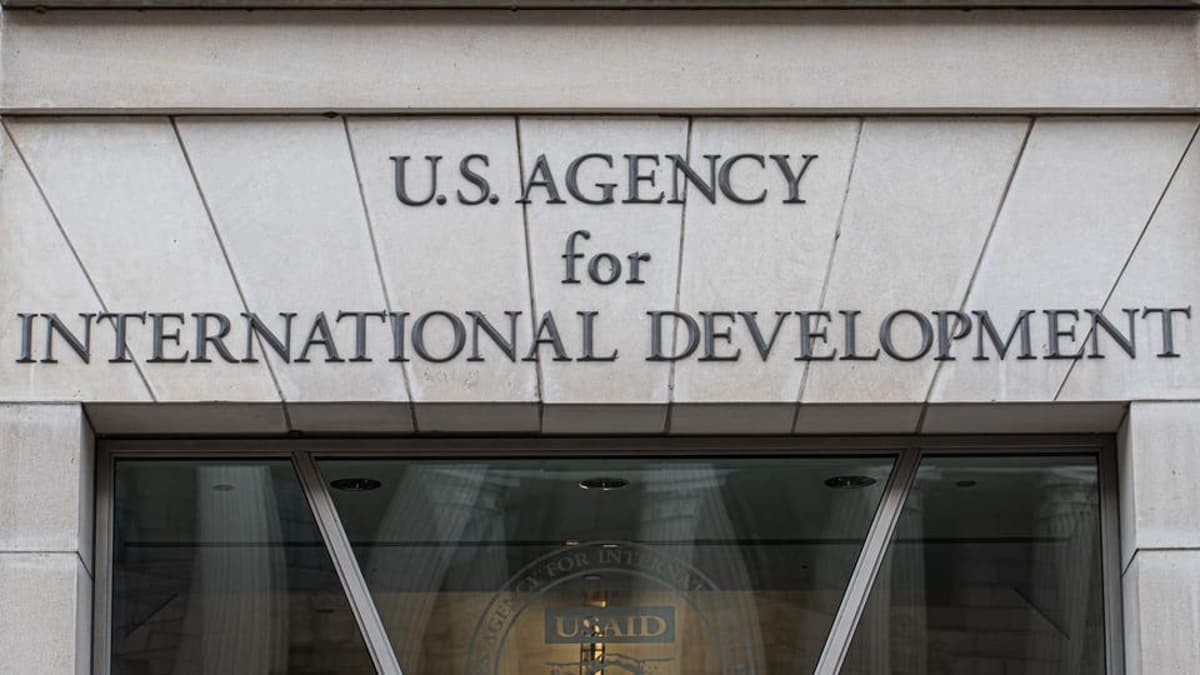
USAID Shuttered A Year Ago. Will Trump’s Trade Over Aid Replacement Actually Work?
Why It Matters
Replacing a decades‑old aid apparatus with trade‑driven investments could redefine U.S. influence in global health and affect millions of vulnerable lives, while exposing the United States to geopolitical risk if the model fails to deliver.
Key Takeaways
- •USAID budget $40 B cut; State Dept runs 200‑person bureau
- •“Trade Over Aid” pledges $11.1 B, 35 nations sign agreements
- •Projected excess deaths could reach 1.6 M annually without replacement
- •Congressional $50 B aid package may fund new trade‑based model
Pulse Analysis
The abrupt termination of USAID marks the end of a 64‑year institution that once channeled roughly $40 billion a year into vaccines, antiretroviral supply chains, and disaster relief across more than 130 nations. By consolidating its remnants into a modest State Department bureau, the U.S. has stripped away a proven delivery network, leaving a data vacuum that hampers real‑time mortality tracking. Analysts warn that the resulting service gaps could translate into millions of preventable deaths, especially among children under five and patients dependent on HIV and malaria interventions.
The administration’s “Trade Over Aid” initiative seeks to fill the void with private‑sector investment and bilateral trade agreements, committing $11.1 billion over five years and securing participation from 35 countries. Proponents argue that market‑based partnerships can reduce overhead, spur local ownership, and align development with U.S. economic interests. Critics, however, point to the lack of funded contracts, opaque negotiation processes, and the risk that trade benefits may accrue to U.S. corporations rather than health outcomes. The success of this model hinges on rapid co‑investment from partner governments and the ability to rebuild supply‑chain logistics that USAID once managed.
For policymakers and investors, the stakes are high. If the $50 billion congressional aid package is redirected effectively, it could provide a transitional bridge, allowing trade‑based mechanisms to mature while preserving essential health services. Conversely, prolonged funding gaps risk eroding decades of progress in disease control and nutrition security, potentially reshaping global health dynamics in favor of rival donors. Monitoring frameworks must be re‑established to assess impact, ensuring that trade does not become a euphemism for reduced humanitarian responsibility.
USAID Shuttered A Year Ago. Will Trump’s Trade Over Aid Replacement Actually Work?
Comments
Want to join the conversation?
Loading comments...