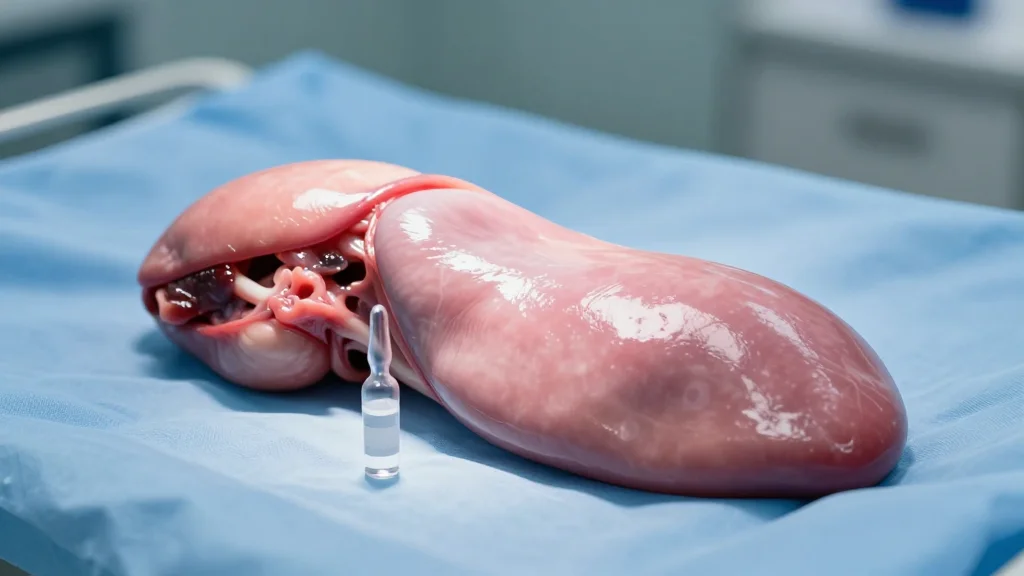
Use of Hepatitis C-Positive Donors Reduces Pancreas Transplant Wait Times
Why It Matters
By turning HCV‑positive donors into a safe source of pancreas grafts, the transplant ecosystem can alleviate organ shortages, reduce patient morbidity, and lower overall healthcare costs associated with prolonged wait times.
Key Takeaways
- •HCV‑positive pancreas donors cut wait times by 117 days.
- •Recipients achieve similar graft function to HCV‑negative donors.
- •Direct‑acting antivirals cure transmitted hepatitis C post‑transplant.
- •Expanded donor pool reduces organ wastage and improves access.
- •Study may shape national guidelines for donor utilization.
Pulse Analysis
Organ scarcity has long plagued pancreas transplantation, leaving patients to endure months of dialysis‑related complications. The Cedars‑Sinai study flips the script by demonstrating that hepatitis C‑positive donors, once deemed high‑risk, can safely shorten the average wait by nearly four months. Researchers tracked outcomes for dozens of recipients and found no statistically significant differences in graft survival or post‑operative complications compared with traditional HCV‑negative donors. This evidence challenges entrenched biases and opens a new frontier for expanding the donor pool without compromising clinical standards.
The therapeutic linchpin is the advent of direct‑acting antiviral (DAA) regimens, which achieve cure rates above 95% within weeks. By administering DAAs immediately after transplant, clinicians can neutralize the virus before it causes liver injury, effectively turning a potential infection into a manageable, temporary condition. From a cost perspective, the price of a short DAA course is offset by the savings from reduced dialysis, fewer hospitalizations, and the avoidance of organ discard. Transplant centers can now integrate HCV‑positive organs into existing allocation algorithms, streamlining logistics and improving overall efficiency.
Looking ahead, the study’s implications extend beyond the pancreas. Similar protocols are already reshaping kidney and heart transplantation, suggesting a systemic shift toward broader acceptance of HCV‑positive donors across organ types. Policymakers and professional societies are likely to revise national guidelines, incorporating antiviral prophylaxis as a standard of care. For patients, insurers, and providers, this evolution promises faster access to life‑saving procedures, reduced waiting‑list mortality, and a more resilient organ supply chain.
Use of hepatitis C-positive donors reduces pancreas transplant wait times
Comments
Want to join the conversation?
Loading comments...