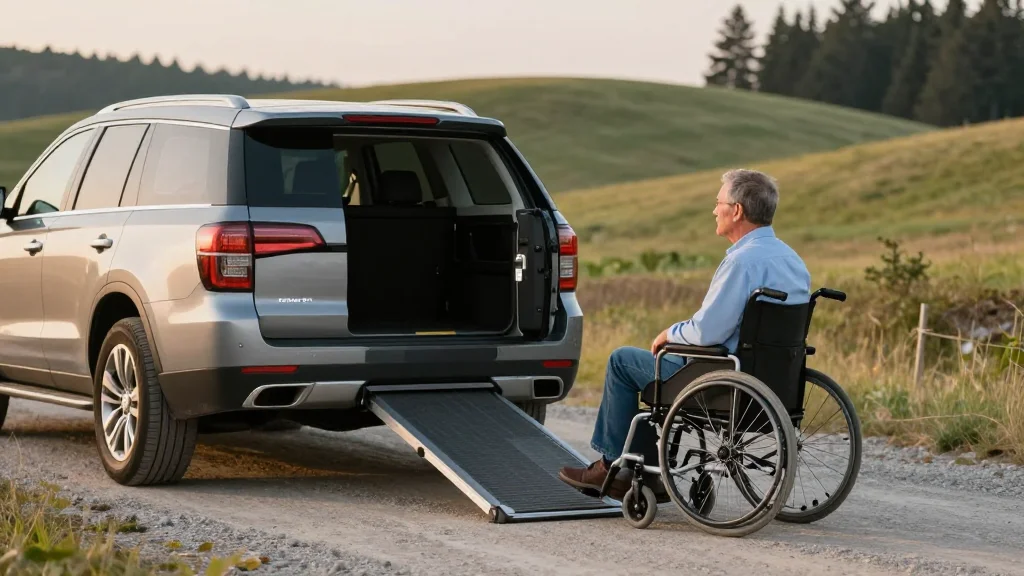
VA Awards $7 Million to Boost Rural Veteran Transportation

Why It Matters
Transportation is a silent but decisive factor in health‑care utilization. For rural veterans, the distance to the nearest VA facility can be a life‑or‑death barrier, especially for time‑sensitive treatments. By allocating $7 million to bridge that gap, the VA not only improves individual health outcomes but also reduces systemic costs associated with delayed care, such as emergency admissions and advanced disease management. The program also reflects a shift toward community‑based solutions within federal health policy. Rather than building new facilities in sparsely populated areas, the VA is empowering local organizations that already understand regional logistics. This model could be replicated across other underserved populations, reinforcing the role of transportation as a core social determinant of health.
Key Takeaways
- •VA announces $7 million Highly Rural Transportation Grants for veteran transport services.
- •Grants target counties with fewer than seven residents per square mile; applications due May 5, 2026.
- •4.7 million veterans live in rural areas; 2.8 million are enrolled in VA health care.
- •Rural veteran enrollment (48 %) exceeds urban enrollment (41 %) but still leaves half without VA coverage.
- •Secretary Doug Collins highlighted the grants as a way to break geographic barriers to care.
Pulse Analysis
The VA’s $7 million grant program is a strategic micro‑investment that leverages existing community infrastructure to solve a chronic access problem. Historically, the VA has relied on large‑scale facility construction to extend care, a model that proves inefficient in low‑density regions. By shifting funds to transportation, the agency acknowledges that proximity, not just facility availability, drives utilization.
From a market perspective, the grants create a modest but meaningful demand for rural mobility providers, ranging from nonprofit shuttle services to emerging on‑demand ride‑share platforms. Companies that can demonstrate compliance with VA security and privacy standards may find a new revenue stream, while veterans gain reliable, cost‑free rides. This could accelerate the adoption of telehealth as well, as patients become more comfortable with hybrid care models that combine virtual visits with occasional in‑person appointments.
Looking ahead, the success of the Highly Rural Transportation Grants will likely be measured by appointment adherence rates and downstream health metrics among participating veterans. If data show a reduction in missed visits and associated health costs, Congress may be persuaded to fund a larger, perhaps multi‑year, transportation initiative. Conversely, low uptake could prompt a reevaluation of how best to allocate resources—potentially shifting focus back to telehealth infrastructure or mobile clinics. The VA’s experiment will thus serve as a bellwether for how federal health programs address social determinants in the next decade.
VA Awards $7 Million to Boost Rural Veteran Transportation
Comments
Want to join the conversation?
Loading comments...