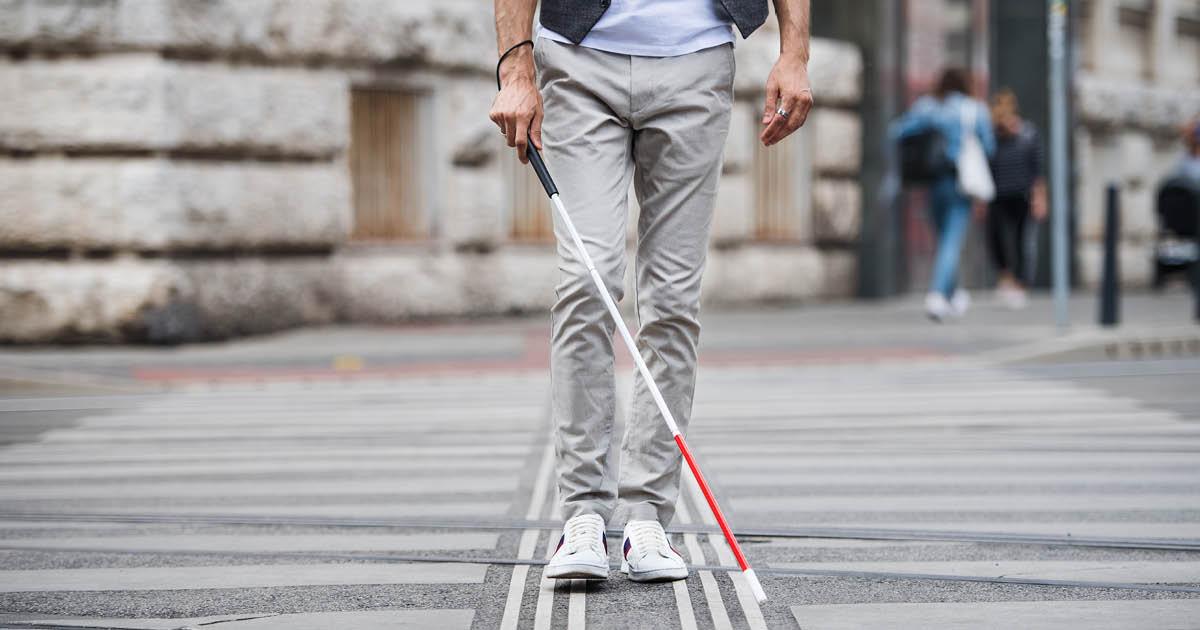
Varying Gaze Patterns Give Clues to Low Vision Rehab, Management
•March 3, 2026
0
Why It Matters
Understanding real‑world gaze strategies enables clinicians and device makers to design individualized low‑vision rehabilitation programs that improve safety and mobility efficiency.
Key Takeaways
- •Blind participants show higher fixation rates per meter.
- •Low‑vision users concentrate gaze on task‑relevant zones.
- •Walking speed decreases as visual ability declines.
- •Fixation patterns differ: T‑shape vs circular clusters.
- •Rehab must tailor strategies to functional gaze behavior.
Pulse Analysis
Eye‑tracking glasses have opened a window into how visual impairment reshapes navigation in complex urban environments. By capturing fixation count, rate, and spatial distribution along a realistic city route, researchers moved beyond laboratory tasks to observe authentic mobility behavior. This approach aligns with a growing body of work that treats gaze as an active sensorimotor component, offering richer data than static visual‑acuity tests for informing low‑vision care.
The study revealed a clear gradient: as vision diminishes, walking speed slows and fixation density rises, especially per meter traveled. Blind participants generated the most fixations, yet these were clustered in circular patterns that reflect limited environmental sampling. Low‑vision individuals, by contrast, adopted a focused strategy, repeatedly sampling specific zones where residual sight could be most useful. This heightened oculomotor effort may contribute to fatigue and reduced hazard awareness, underscoring the need for fatigue‑aware training protocols.
For rehabilitation professionals and assistive‑technology developers, the findings signal a shift toward personalized mobility solutions. Orientation‑and‑mobility curricula can incorporate gaze‑training modules that teach efficient scanning techniques tailored to each user’s residual vision profile. Device designers might embed adaptive visual cues that align with identified fixation hotspots, enhancing safety without overwhelming the user. Future research should expand sample sizes and test varied environments to refine these strategies, ultimately translating nuanced gaze analytics into tangible improvements in independence for the low‑vision community.
Varying gaze patterns give clues to low vision rehab, management
0
Comments
Want to join the conversation?
Loading comments...