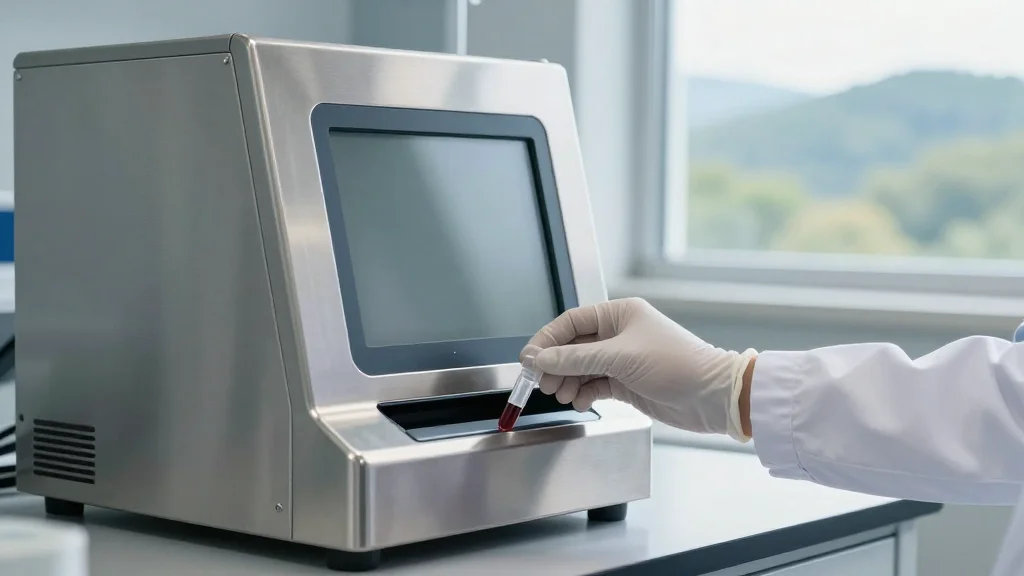
Walk-In Lab Testing Expands Patient Access and Autonomy in West Virginia
Why It Matters
Direct‑to‑consumer testing accelerates patient access while reshaping revenue models for labs, forcing the industry to adopt retail‑style experiences and digital engagement. It also raises clinical interpretation challenges that could affect care quality.
Key Takeaways
- •Walk‑in labs offer upfront pricing, bypassing insurance billing
- •Results delivered online within 24‑48 hours
- •Patients can self‑order tests like lipids, DNA, toxicology
- •Labs must invest in user‑friendly digital platforms
- •Regulatory relaxations expand DTC testing nationwide
Pulse Analysis
The surge of walk‑in laboratory testing in West Virginia reflects a broader shift toward consumer‑direct healthcare, where patients prioritize cost transparency and speed. High‑deductible health plans have made out‑of‑pocket pricing a decisive factor, and retail‑style labs meet that demand by publishing clear fees and eliminating the "sticker shock" of traditional hospital billing. By offering a menu of tests—from basic lipid panels to advanced DNA analyses—these centers empower individuals to monitor chronic conditions and wellness metrics on their own schedule, a trend that resonates with the growing self‑care movement across the United States.
While convenience is a clear advantage, the rise of direct‑to‑consumer diagnostics introduces new complexities for clinicians. Patients receive raw results without immediate professional interpretation, increasing the risk of misreading values or overlooking clinical significance. Consequently, primary care physicians are being called upon to act as interpreters of data that patients bring from retail labs, blurring the lines between consumer and provider responsibilities. This dynamic underscores the need for integrated care pathways that combine rapid lab turnaround with accessible expert guidance, ensuring that increased data access translates into better health outcomes rather than confusion.
For traditional clinical laboratories, the West Virginia example serves as a strategic warning signal. To remain relevant, labs must invest in intuitive digital portals, real‑time result delivery, and transparent pricing structures that mirror the retail experience. Moreover, as more states ease regulations around DTC testing, the competitive landscape will broaden, compelling labs to differentiate through service quality, data security, and seamless integration with electronic health records. Those that adapt quickly will capture a growing segment of health‑savvy consumers, while laggards risk losing market share to agile, consumer‑focused entrants.
Walk-In Lab Testing Expands Patient Access and Autonomy in West Virginia
Comments
Want to join the conversation?
Loading comments...