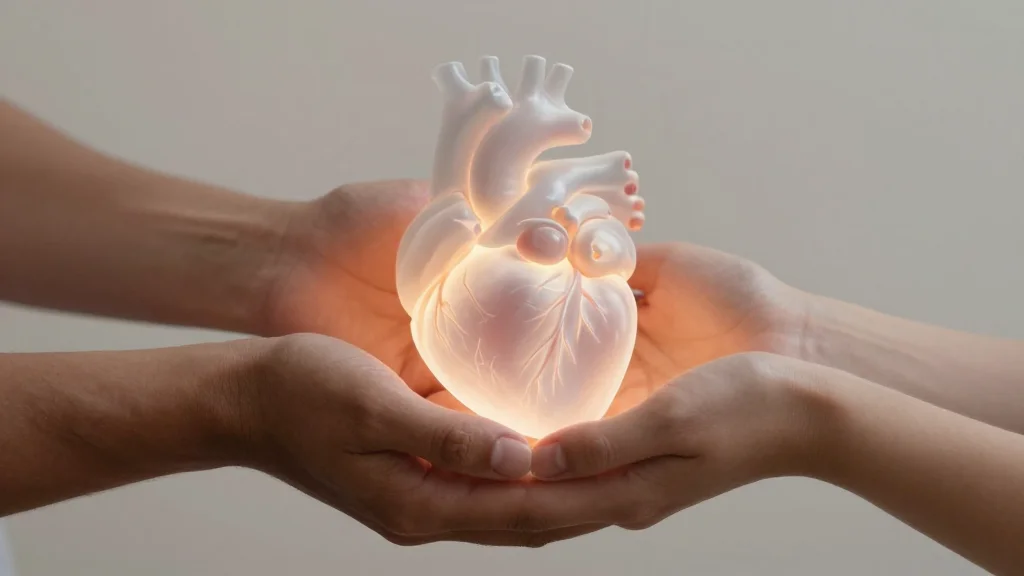
Want To Be an Organ Donor? Here’s How To Register
Companies Mentioned
Why It Matters
Increasing donor registration directly addresses the chronic organ shortage, reducing daily wait‑list deaths and expanding life‑saving transplants for patients nationwide.
Key Takeaways
- •Up to eight organs and 75 tissue transplants per donor
- •50% of U.S. donors register at motor vehicle offices
- •Anyone 18+ can join, regardless of health status
- •13 people die each day on the transplant waitlist
Pulse Analysis
Organ donation remains a critical public‑health lever, yet the United States still faces a stark supply‑demand gap. Each registered donor can potentially restore more than 80 lives, delivering up to eight solid organs and dozens of tissue grafts. This multiplier effect underscores why even a single registration carries outsized societal value, especially as the transplant waitlist swells with roughly 113,000 candidates and sees an average of 13 deaths per day. Understanding the scale of impact helps policymakers and health advocates frame donor recruitment as a cost‑effective, life‑saving strategy.
Modern registration pathways have lowered the barrier to entry dramatically. Traditional in‑person enrollment at state motor vehicle agencies accounts for half of all new donors, but digital alternatives now rival that volume. The national Donate Life America platform synchronizes state registries, while smartphone health apps—most notably Apple’s Health app—allow users to toggle donor status with a few taps. Integrated patient portals like MyChart further streamline the process for the 180 million portal users, embedding donor consent directly into routine health management. These tech‑enabled options expand reach to younger, tech‑savvy demographics and simplify cross‑state recognition, crucial for a mobile population.
Eligibility misconceptions and family communication remain the biggest hurdles. Federal guidelines permit anyone over 18, irrespective of chronic conditions, to register, though certain circumstances—such as active infection, recent cancer treatment, or death outside a medical facility—can preclude actual organ recovery. Consequently, many registrants never become donors, reinforcing the need for public education about realistic outcomes. Equally important is early dialogue with family members; a legally binding donor designation only translates into action when loved ones are aware and supportive. As medical science evolves—evidenced by recent acceptance of HIV‑positive donors for HIV‑positive recipients—continuous outreach and transparent conversations will be essential to sustain and grow the donor pool.
Want To Be an Organ Donor? Here’s How To Register
Comments
Want to join the conversation?
Loading comments...