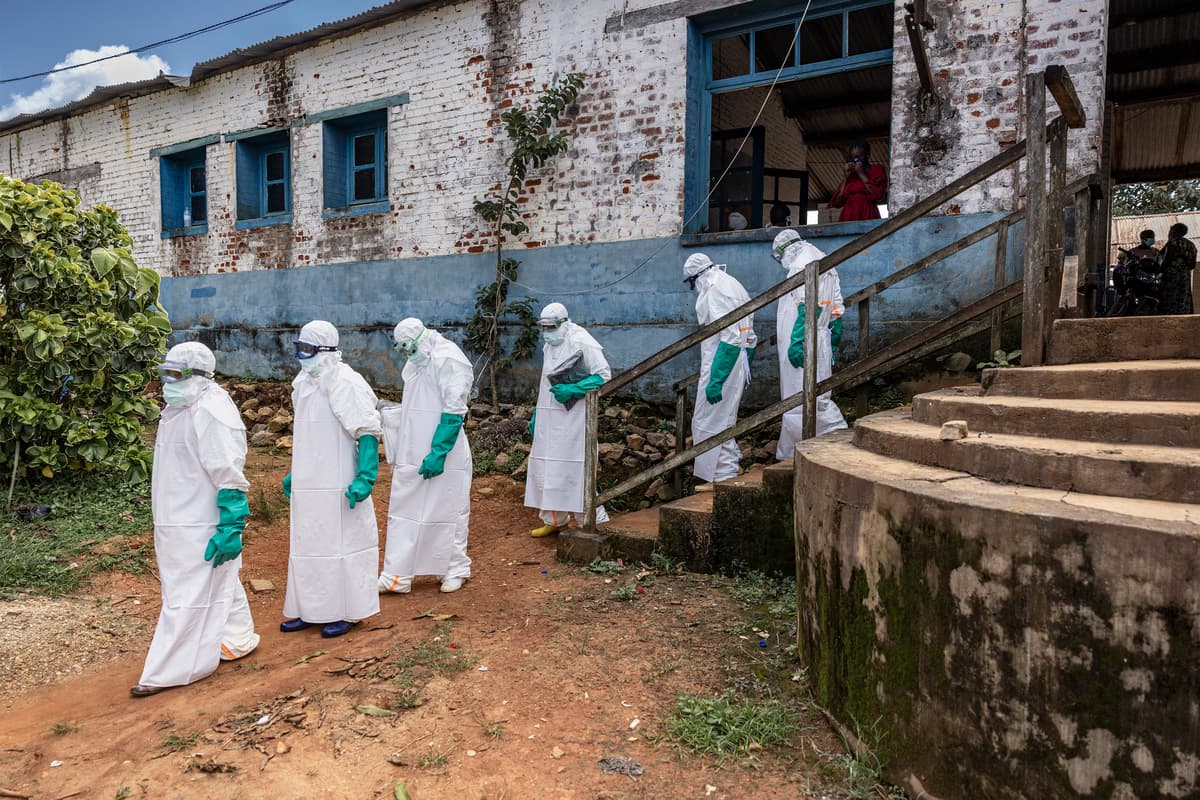
‘We Live With Fear’: In Congo, Doctors Face Ebola With Little Protection
Why It Matters
The outbreak’s unchecked spread endangers millions in Central Africa and poses a cross‑border pandemic risk, underscoring the need for rapid, well‑coordinated international response.
Key Takeaways
- •363 confirmed Ebola cases and 62 deaths reported as of June 3
- •Hospitals lack basic PPE, tests, and clean water for staff
- •Bundibugyo Ebola strain has ~50% fatality and no approved vaccine
- •Armed conflict blocks transport, delaying shipments and contact tracing
- •U.S. aid reduced; $162M pledged but delivery bottlenecks persist
Pulse Analysis
The Democratic Republic of Congo is confronting a deadly Ebola flare‑up that has already claimed dozens of lives. The virus, identified as the Bundibugyo variant, carries a fatality rate of roughly 50 % and, unlike the West African strain, lacks an approved vaccine or specific therapeutics. WHO’s declaration of a public health emergency of international concern triggered a $162 million pledge from the U.S. State Department, yet the outbreak’s epicenter remains starved of essential supplies, from gloves and gowns to reliable diagnostic kits, hampering early detection and isolation.
Compounding the medical shortfall is Congo’s fragile health infrastructure, eroded by years of conflict and chronic under‑funding. Clinics in Ituri report no clean water, broken laboratories, and delayed sample transport—often taking six days over treacherous roads to reach the capital’s central lab. Armed groups such as M23 and the Allied Democratic Forces disrupt air and ground logistics, limiting humanitarian flights and endangering contact‑tracing teams. The resulting testing lag forces patients to self‑isolate for weeks without confirmation, increasing community transmission risk.
The stakes extend beyond Congo’s borders. A sustained outbreak could spill into neighboring Uganda and fuel broader regional instability, prompting a costly humanitarian response and threatening global health security. Lessons from the 2014‑2016 West Africa crisis highlight the cost of delayed action: mortality surged while aid pipelines stalled. Strengthening local laboratory capacity, securing reliable supply chains, and restoring robust U.S. engagement are critical to contain the virus, protect health workers, and prevent a wider pandemic.
‘We Live With Fear’: In Congo, Doctors Face Ebola With Little Protection
Comments
Want to join the conversation?
Loading comments...