Weight-Loss Drug Users Save over £400 a Year on Food as Take-Up Triples
Why It Matters
The shift in eating habits driven by GLP‑1 drugs is reshaping grocery demand and forcing retailers to redesign assortments, while cost concerns could curb further market penetration.
Key Takeaways
- •GLP‑1 use hits 6.3% of UK households, up from 2.3% in 2024
- •Users save ~£400 ($512) yearly on groceries, trimming spend by £780 m ($1 bn)
- •52% label eating “mindful,” reporting fewer cravings and less sweets
- •Retailers like Marks & Spencer and Ocado launch GLP‑1‑focused aisles to capture new demand
- •Price remains a hurdle; 41% consider stopping GLP‑1 use in 2026
Pulse Analysis
The rapid diffusion of GLP‑1 agonists such as semaglutide and tirzepatide reflects a broader cultural pivot toward pharmacological weight management. Once confined to type‑2 diabetes treatment, these injectables have been repurposed for obesity, driving adoption among 1.9 million British adults—roughly one in sixteen households. This surge aligns with rising health‑consciousness and the promise of clinically proven appetite suppression, positioning GLP‑1 drugs as a disruptive force in the consumer health market.
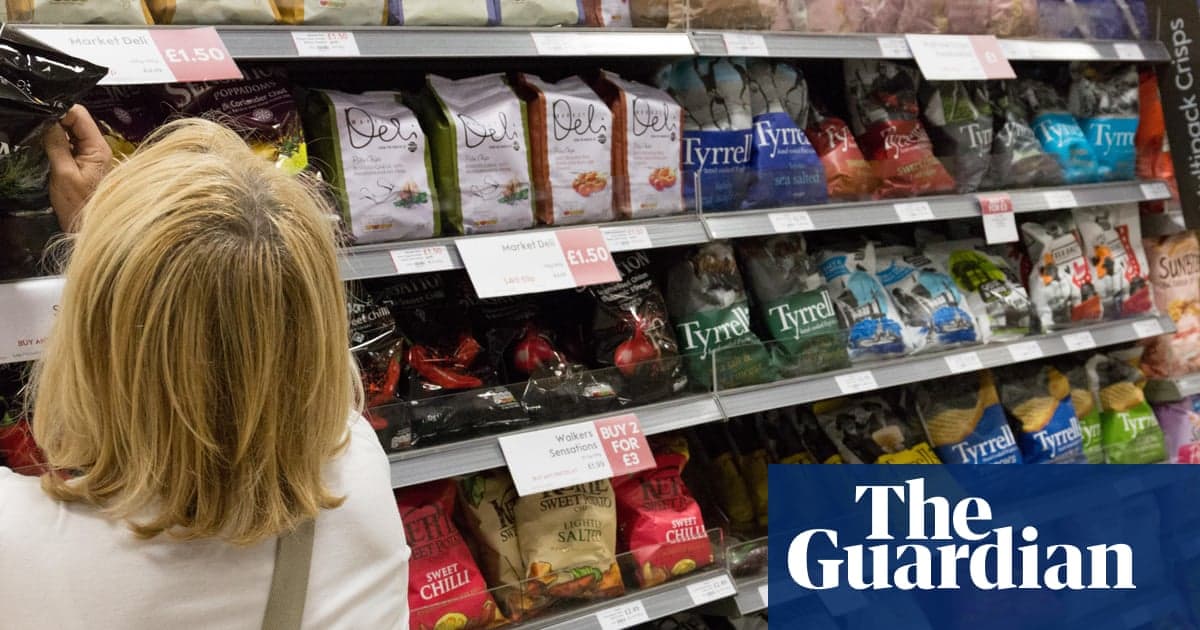
Beyond clinical outcomes, the drugs are reshaping grocery economics. Households with a GLP‑1 user report an average annual grocery saving of £400 ($512), translating into a £780 million ($1 billion) reduction in national food spend. Consumers describe a shift toward mindful eating, cutting back on high‑sugar items like chocolate and crisps, and seeking smaller restaurant portions. Retailers have responded swiftly: Marks & Spencer introduced nutrient‑dense lines, while Ocado launched a virtual "weight‑management" aisle, signaling a new product‑development frontier aimed at lower‑volume, higher‑margin shoppers.
However, the momentum faces a price ceiling. At current retail prices, GLP‑1 therapy remains expensive, and 41 % of users cite cost as a reason to discontinue in 2026. This affordability challenge could temper growth unless manufacturers introduce lower‑cost formulations or insurers expand coverage. For food manufacturers and grocery chains, the trend offers both risk and opportunity—brands must adapt packaging, portion sizing, and marketing to a consumer base that is increasingly selective about calories and sugar, while also preparing for potential volatility if pricing pressures limit drug uptake.
Weight-loss drug users save over £400 a year on food as take-up triples
Comments
Want to join the conversation?
Loading comments...