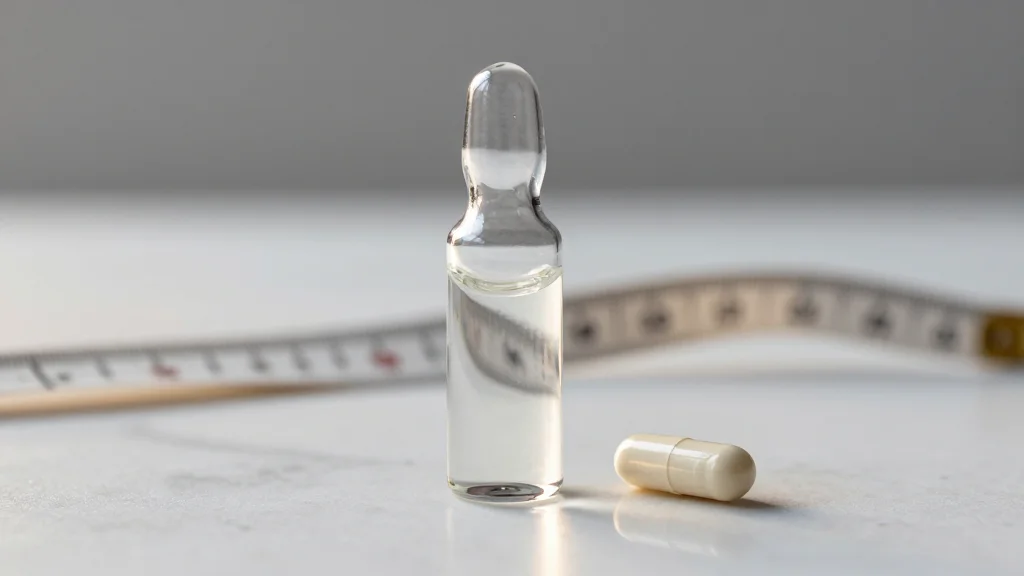
Weight Loss Drugs: What Athletes Need to Know About GLP-1s
Why It Matters
Athletes must stay informed because a future WADA prohibition could affect eligibility, and using unregulated GLP‑1 products can jeopardize health and compliance.
Key Takeaways
- •WADA monitors GLP‑1s; no current ban but future restriction possible
- •Only FDA‑approved GLP‑1s for diabetes or medically‑supervised obesity are legal
- •Unapproved online GLP‑1s often mislabelled, leading to dosing errors
- •Common side effects include nausea, pancreatitis; severe cases require hospitalization
Pulse Analysis
The rapid rise of GLP‑1 agonists reflects broader shifts in the weight‑loss market, where drugs originally designed for type‑2 diabetes are being repurposed for cosmetic and performance‑related goals. Brands like Ozempic and Wegovy have become household names, driving a black‑market for counterfeit versions that bypass prescription requirements. For athletes, this trend intersects with anti‑doping policy: although GLP‑1s are not on WADA’s prohibited list today, the agency’s monitoring program signals a willingness to reassess if the substances confer an unfair advantage or pose health threats.
Understanding the regulatory landscape is essential. The FDA has approved GLP‑1s only for chronic weight management tied to obesity or for glycemic control in diabetes, requiring physician oversight. No generic formulations exist, and any product marketed as a “research chemical,” patch, gummy, or oral pill is likely unapproved. Such products have been found to contain incorrect salt forms, incorrect dosages, or even entirely different compounds, leading to adverse events like pancreatitis, severe nausea, and in rare cases, anaphylaxis. Athletes purchasing these drugs without a prescription risk both health complications and inadvertent doping violations.
From a business perspective, the demand for GLP‑1s is reshaping pharmaceutical supply chains and prompting stricter enforcement actions by the FDA and customs agencies. Companies that can demonstrate rigorous quality control and transparent labeling will dominate the legitimate market, while illicit sellers face increasing scrutiny. For sports organizations, proactive education—highlighting the need for therapeutic use exemptions only when a drug is prohibited—helps protect athletes from accidental infractions and underscores the importance of medical supervision in any off‑label use.
Weight Loss Drugs: What athletes need to know about GLP-1s
Comments
Want to join the conversation?
Loading comments...