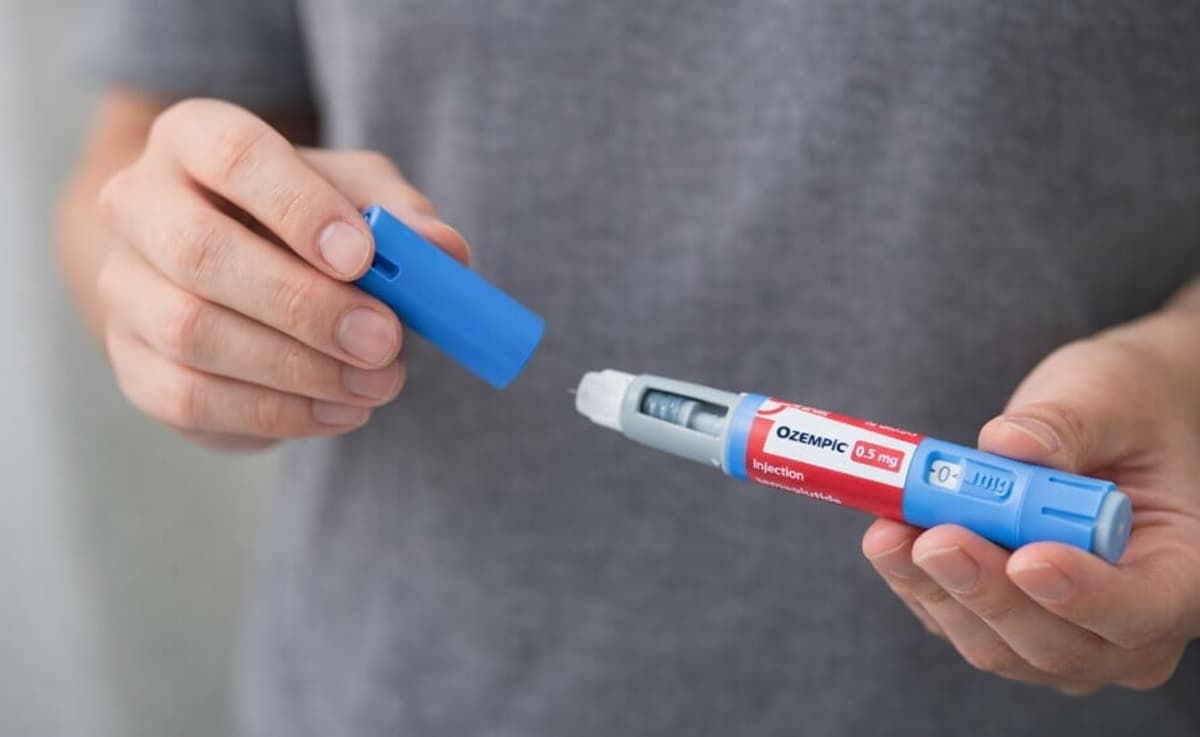
What Happens When You Stop Taking Ozempic?
Why It Matters
Understanding the rebound risk reshapes how clinicians and patients approach GLP‑1 therapy, turning a short‑term weight‑loss tool into a platform for lasting lifestyle change. It also signals a market need for support programs that bridge drug use with sustainable habits.
Key Takeaways
- •60% of weight lost returns within a year after stopping GLP‑1s.
- •Exercise while on Ozempic cuts post‑stop regain by ~26%.
- •Protein ≥0.7 g per lb target weight preserves muscle and satiety.
- •Gradual tapering beats abrupt cessation for appetite control.
Pulse Analysis
The surge of GLP‑1 agonists like Ozempic has transformed obesity treatment, but the data are clear: stopping the drug often triggers a rapid weight rebound. The STEP 1 extension trial documented a two‑thirds regain within twelve months, and a 2026 Cambridge review of 48 studies confirmed an average 60% return of lost weight. These outcomes stem from the drugs’ pharmacologic appetite suppression rather than metabolic repair, leaving patients vulnerable once the supraphysiologic signal fades.
Research increasingly points to behavior modification as the antidote to rebound. A 2024 University of Copenhagen study showed participants who maintained regular exercise while on Ozempic regained 26% less weight than sedentary peers, highlighting the durability of habit‑based energy expenditure. Coupled with adequate protein—at least 0.7 grams per pound of target body weight—muscle mass is preserved, sustaining basal metabolic rate and satiety cues. Building these routines before discontinuation creates a scaffold that survives the drug’s withdrawal.
Practically, clinicians should counsel patients to taper GLP‑1 dosing rather than stopping abruptly, allowing appetite signals to adjust gradually. Complementary strategies include structured strength‑training three times weekly, protein‑rich meals, and pre‑planned menus to reduce decision fatigue during hunger spikes. As the market for weight‑loss pharmacotherapy expands, integrating lifestyle coaching into prescription protocols could improve long‑term outcomes and reduce the cyclical churn of patients cycling on and off medication.
What Happens When You Stop Taking Ozempic?
Comments
Want to join the conversation?
Loading comments...