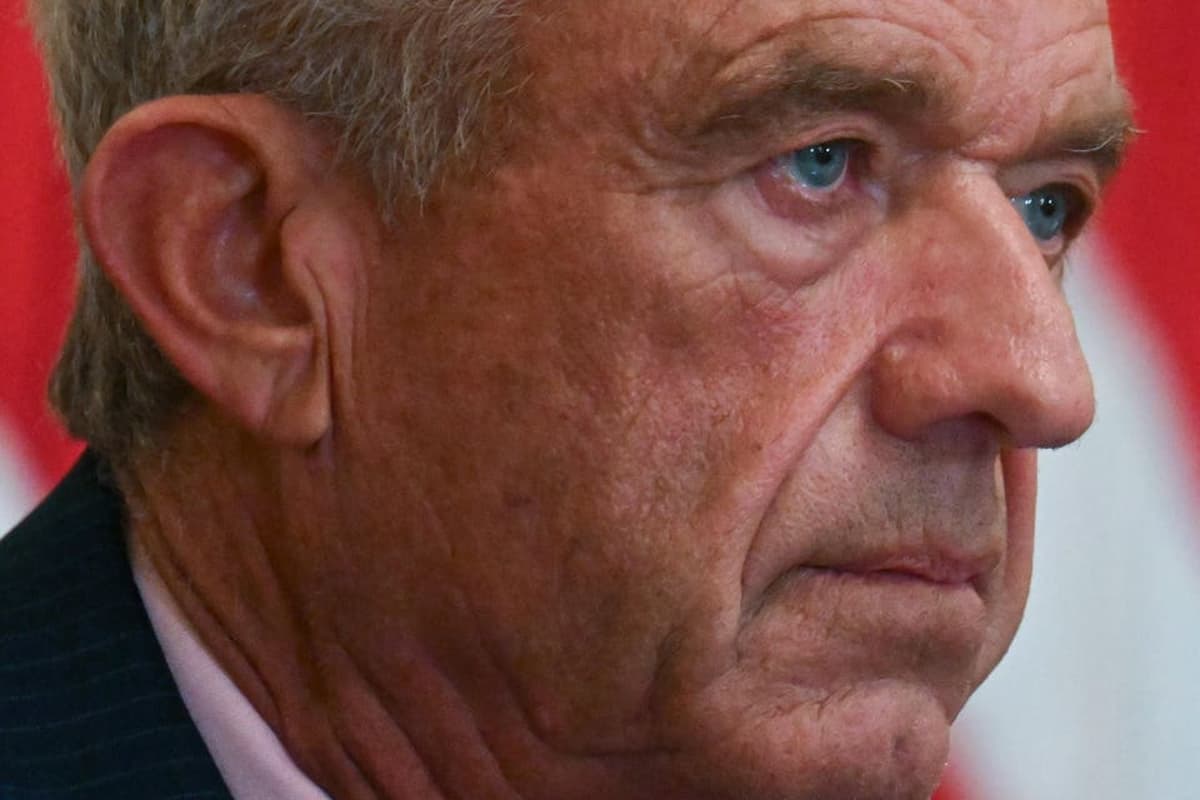
What Have RFK, Jr. And The Trump Administration Done For Mothers?
Why It Matters
The policies erode established medical guidance, increase preventable disease risk, and threaten access to essential maternal health services, amplifying health disparities across the United States.
Key Takeaways
- •RFK Jr. demanded retraction of study denying acetaminophen‑autism link
- •Six childhood vaccines dropped, adding $222 M yearly health‑care costs
- •Measles cases rose to 2,283 last year, 1,281 so far
- •Trump administration seeks $1 trillion Medicaid cut, endangering prenatal care
- •Judge blocked Kennedy's ban on Medicaid funding for gender‑affirming care
Pulse Analysis
The controversy surrounding RFK Jr.’s tenure at HHS reflects a broader clash between political ideology and evidence‑based medicine. By casting doubt on acetaminophen’s safety and restricting COVID‑19 boosters for pregnant women, the administration has sown confusion among clinicians and patients alike, undermining confidence in proven interventions. Professional bodies such as ACOG and the American Academy of Pediatrics have repeatedly warned that these stances ignore robust data, potentially increasing maternal complications and infant morbidity.
Vaccine policy has become the most visible flashpoint. The dismissal of the entire Advisory Committee on Immunization Practices and the subsequent removal of six routine vaccines—covering rotavirus, influenza, meningococcal disease, hepatitis A and B—creates gaps in herd immunity that are already manifesting as a measles resurgence, with over 2,200 cases reported last year. Economic analyses estimate that the revised schedule could generate $222 million in additional health‑care costs annually, not to mention the human toll of preventable infections and the looming threat of subacute sclerosing panencephalitis in unvaccinated children.
Beyond immunizations, the administration’s $1 trillion Medicaid cut proposal threatens the safety net that supports more than 40 % of U.S. births. Reduced funding would curtail prenatal visits, postpartum monitoring, and access to contraception, exacerbating the nation’s already high maternal mortality rate—particularly among Black women, who die at three times the rate of White women. Legal challenges to bans on gender‑affirming care and restrictions on reproductive health further illustrate how policy decisions are reshaping the health landscape for mothers, with long‑term implications for equity and public‑health resilience.
What Have RFK, Jr. And The Trump Administration Done For Mothers?
Comments
Want to join the conversation?
Loading comments...