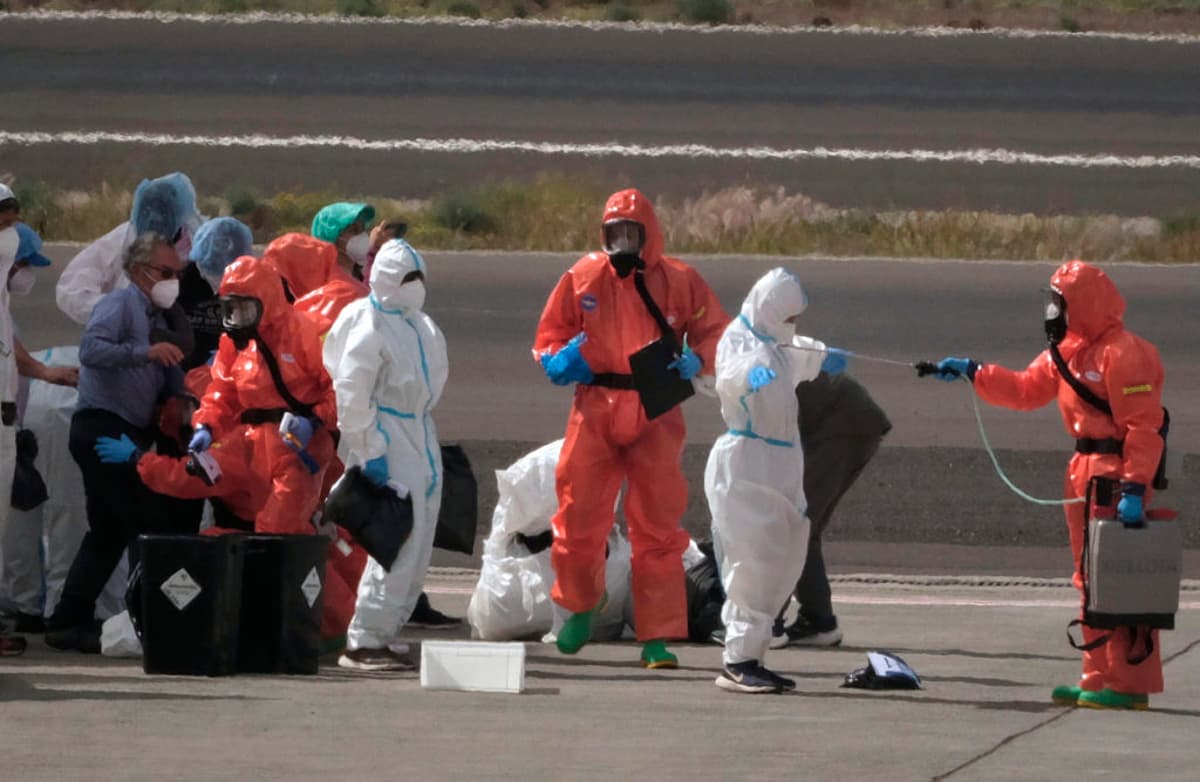
What to Know About the Cruise Ship Hantavirus Outbreak and the Americans Facing Quarantine
Why It Matters
The incident underscores gaps in U.S. outbreak preparedness and highlights the cruise industry’s need for robust infectious‑disease surveillance to prevent wider transmission.
Key Takeaways
- •16 Americans quarantined at UNMC biocontainment unit for up to six weeks
- •Two additional U.S. passengers placed in Atlanta’s Emory University Hospital quarantine
- •Hantavirus has killed three passengers: a Dutch couple and a German citizen
- •CDC activated emergency operations, but officials admit response was slower than ideal
- •Cruise‑ship outbreak highlights need for dedicated surveillance units, now cut by HHS
Pulse Analysis
The Andes strain of hantavirus, long considered a rare zoonotic threat, has resurfaced in a high‑density environment—a cruise ship sailing near the Canary Islands. Unlike the more familiar hantavirus variants, this strain can linger in rodent droppings and, in rare cases, spread directly between humans, extending its incubation period to eight weeks. The ship’s confined quarters amplified exposure risk, prompting swift evacuations and raising alarms about the potential for a broader public‑health event if containment measures falter.
U.S. authorities responded by relocating 16 exposed Americans to the University of Nebraska Medical Center’s biocontainment unit, a facility equipped to monitor and treat high‑risk infectious diseases. The CDC also deployed rapid‑response teams, issued health alerts, and coordinated with state health departments. However, former White House COVID‑19 coordinator Dr. Ashish Jha criticized the delayed communication and the recent elimination of the CDC’s dedicated cruise‑ship outbreak unit, suggesting that earlier action could have limited the spread. The decision to centralize quarantine at UNMC reflects a strategic preference for specialized care over home isolation, given the virus’s unpredictable transmission dynamics.
Beyond immediate containment, the episode spotlights systemic vulnerabilities in the cruise industry’s health safeguards. The removal of the CDC’s cruise‑ship response unit, part of broader HHS budget cuts, leaves a gap in rapid detection and mitigation. Industry stakeholders must invest in enhanced screening, onboard medical capabilities, and collaborative protocols with public‑health agencies. Moreover, the lack of a specific hantavirus vaccine or antiviral therapy underscores the urgency for research funding to develop targeted treatments, ensuring future outbreaks can be managed more effectively.
What to know about the cruise ship hantavirus outbreak and the Americans facing quarantine
Comments
Want to join the conversation?
Loading comments...