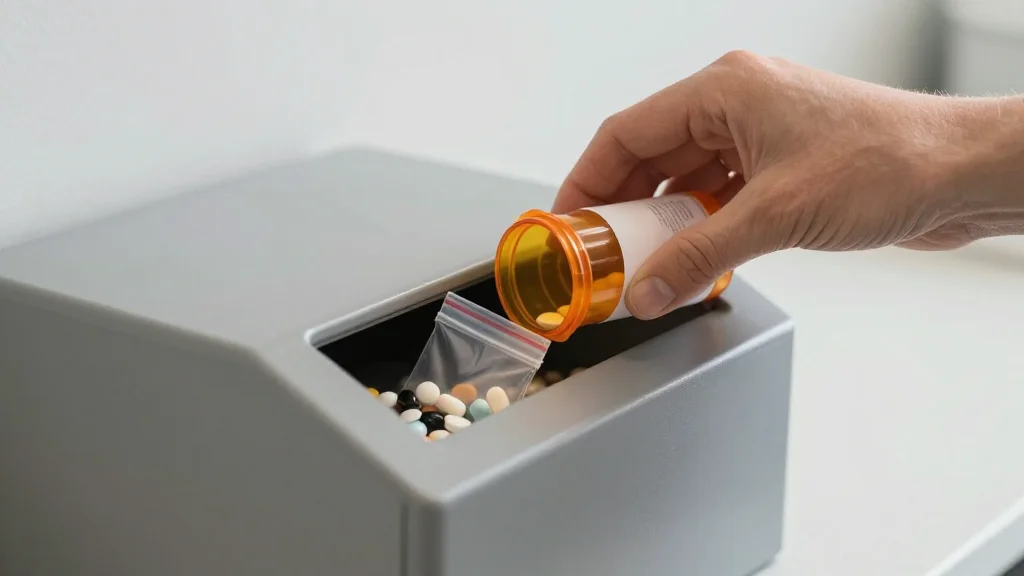
What You Should Know About National Prescription Drug Take Back Day
Why It Matters
Safe medication disposal directly reduces the supply of prescription drugs that fuel misuse and overdose, supporting broader public‑health efforts to combat the opioid crisis. The nationwide event also educates consumers and engages clinicians in preventive stewardship of controlled substances.
Key Takeaways
- •4,200 locations host Take Back Day on April 25, 2026.
- •571,054 lb of medications collected at the October 2025 event.
- •More than 20 million lb (10,196 tons) collected since 2010.
- •8 million people misused prescription pain relievers in 2024.
- •Over 16,500 pharmacies and hospitals provide year‑round disposal options.
Pulse Analysis
The DEA’s biannual Take Back Day has become a cornerstone of the United States’ strategy to mitigate prescription drug abuse. By concentrating thousands of collection points into a single weekend, the program simplifies safe disposal for households that often store leftover antibiotics, opioids, or sedatives. The sheer scale—over 20 million lb of medication removed since 2010—demonstrates both the depth of the problem and the public’s willingness to act when given convenient, anonymous options. This event also reinforces the DEA’s partnership with local law‑enforcement and community organizations, amplifying outreach and education.
Beyond the logistics, the public‑health impact is measurable. In 2024, an estimated 8 million Americans misused prescription pain relievers, with most obtaining them from friends or family. By eliminating excess pills from medicine cabinets, Take Back Day directly cuts a primary source of diversion, helping to lower accidental poisonings and overdose deaths that remain in the tens of thousands annually. The program’s success underscores the importance of proactive, community‑level interventions in the broader opioid epidemic, complementing prescription‑monitoring programs and treatment initiatives.
Clinicians and health systems play a pivotal role in sustaining momentum. Simple screening questions during office visits can prompt patients to participate, while pharmacies—over 16,500 nationwide—offer permanent drop boxes and mail‑back kits like Walgreens’ DisposeRx. Education materials, digital reminders, and links to www.DEATakeBack.com empower providers to guide patients toward proper disposal pathways year‑round. As the nation continues to grapple with drug misuse, expanding permanent disposal infrastructure and integrating it into routine care will be essential for lasting progress.
What You Should Know About National Prescription Drug Take Back Day
Comments
Want to join the conversation?
Loading comments...