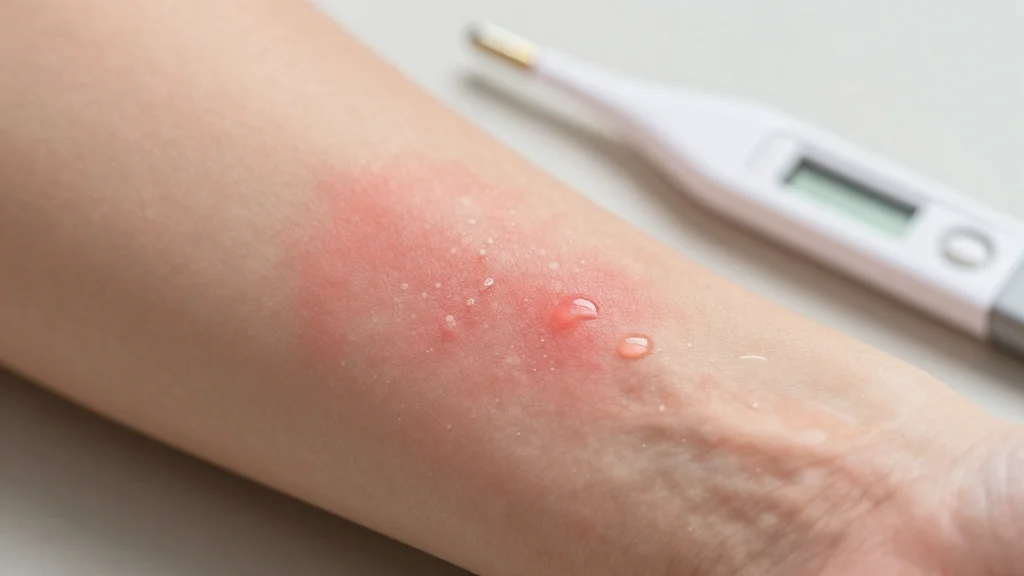
When a GPP Flare Needs Urgent Care
Companies Mentioned

Why It Matters
Rapid recognition and treatment of GPP flares can avert organ failure and sepsis, saving lives and lowering costly intensive‑care admissions.
Key Takeaways
- •GPP flares can cause organ failure, requiring immediate ER visit
- •Fever, shortness of breath, and dehydration signal severe GPP
- •Sepsis symptoms overlap with GPP, demanding rapid assessment
- •ED treatment includes IV fluids, anti‑inflammatories, and targeted drugs
- •Hospitalization may be needed for ICU monitoring and specialist care
Pulse Analysis
Generalized pustular psoriasis is a rare autoinflammatory skin disease that can transition from a dermatologic issue to a systemic crisis within hours. Unlike typical psoriasis, GPP triggers widespread cytokine release, leading to fever, rapid skin desquamation and multi‑organ stress. Because the immune response can damage the liver, kidneys and lungs, clinicians treat any sudden flare as a potential emergency. Patients and caregivers must recognize red‑flag symptoms—high fever, breathing difficulty, marked dehydration, jaundice or blood in urine—so they can seek urgent care before complications spiral.
In the emergency department, physicians prioritize stabilization and rapid diagnosis. Intravenous fluids address dehydration while blood panels evaluate infection markers, liver enzymes and renal function. Dermatology or rheumatology consultants often perform skin biopsies to exclude infections or other pustular disorders. Anti‑inflammatory agents such as cyclosporine, systemic retinoids or methotrexate are administered promptly, and the FDA‑approved IL‑36 receptor antagonist spesolimab (Spevigo) may be used to halt the cytokine surge. If sepsis is suspected, broad‑spectrum antibiotics are added, and patients may be transferred to an intensive‑care unit for continuous monitoring.
Awareness of GPP’s urgency reshapes both patient education and health‑system protocols. Early emergency intervention reduces the likelihood of organ failure, shortens ICU stays and curtails overall treatment costs—an important consideration given the high expense of biologic therapies and intensive care. Dermatologists now emphasize emergency action plans during routine visits, ensuring patients carry medical IDs and clear instructions. As research advances, newer targeted agents may further streamline acute management, but the cornerstone remains rapid recognition and coordinated emergency response, safeguarding patients from a condition that can otherwise be fatal.
When a GPP Flare Needs Urgent Care
Comments
Want to join the conversation?
Loading comments...