When Nurses Shape the Technology, Patients Feel the Difference
Companies Mentioned
Why It Matters
Nurse‑led, integrated technology directly alleviates alarm fatigue and frees staff for bedside care, offering a replicable model for cost‑effective digital transformation in hospitals.
Key Takeaways
- •Integrated monitoring cut non‑actionable alarms 22%.
- •Documentation time fell 69.6% after system consolidation.
- •Over 10,500 nursing hours saved each year.
- •Nurse‑vendor co‑design reduced workflow duplication.
- •Virtual sitters and bedside mobiles improve patient safety.
Pulse Analysis
The promise of electronic health records and smart monitoring has long been to lighten nurses’ workloads, yet most hospitals still wrestle with a patchwork of disconnected applications. Separate dashboards, alarm systems, and documentation tools force clinicians to toggle between screens, re‑enter data, and sift through endless alerts—a phenomenon known as alarm fatigue that compromises both efficiency and patient safety. Industry analysts estimate that fragmented tech can add up to 30 minutes of non‑clinical work per shift, underscoring the urgent need for interoperable solutions that align with bedside realities.
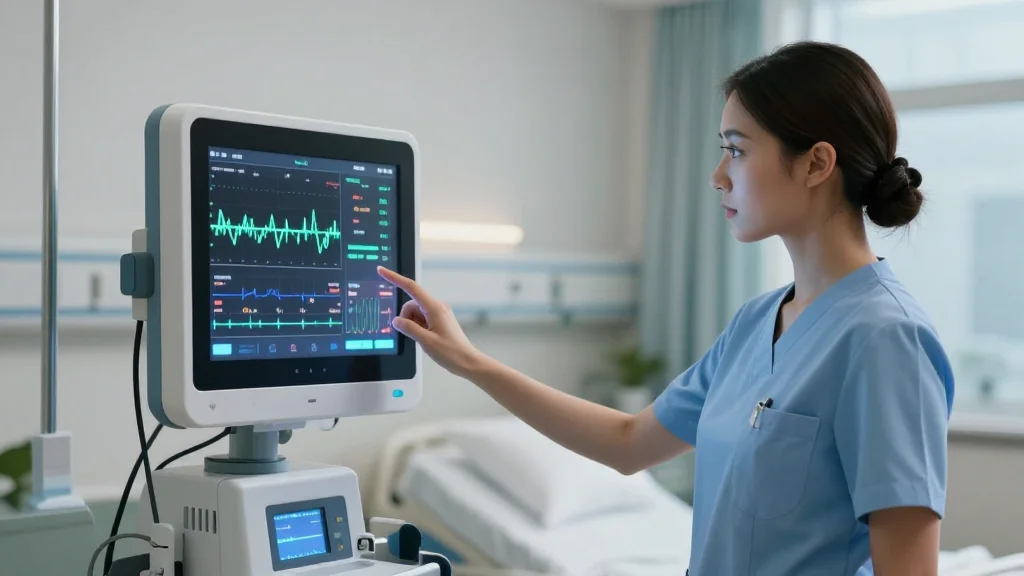
University Health Kansas City tackled the problem by inviting its chief nursing officer, Amy McTaggart, to sit at the table with Philips engineers from the outset. Together they built a centralized monitoring hub that aggregates cardiac waveforms, vital signs, and alarm data into a single interface, while applying intelligent filters to suppress non‑actionable alerts. The redesign slashed unnecessary alarms by 22% and cut waveform‑strip documentation time by nearly 70%, translating into more than 10,500 nursing hours reclaimed each year. Crucially, the co‑design process mapped every step of the nurses’ workflow, eliminating duplicate entries and streamlining communication.
The UHKC case illustrates a broader shift toward nurse‑centric technology strategy across health systems. When vendors move beyond product demos and embed themselves in clinical environments, they gain insight into real‑time pain points and can tailor algorithms, alarm thresholds, and user interfaces accordingly. This collaborative model not only reduces operational costs but also improves patient outcomes by freeing nurses to focus on direct care. As hospitals grapple with staffing shortages and rising digital spend, the lesson is clear: integrated, co‑designed solutions are the most sustainable path to a resilient, high‑quality care delivery ecosystem.
When nurses shape the technology, patients feel the difference
Comments
Want to join the conversation?
Loading comments...