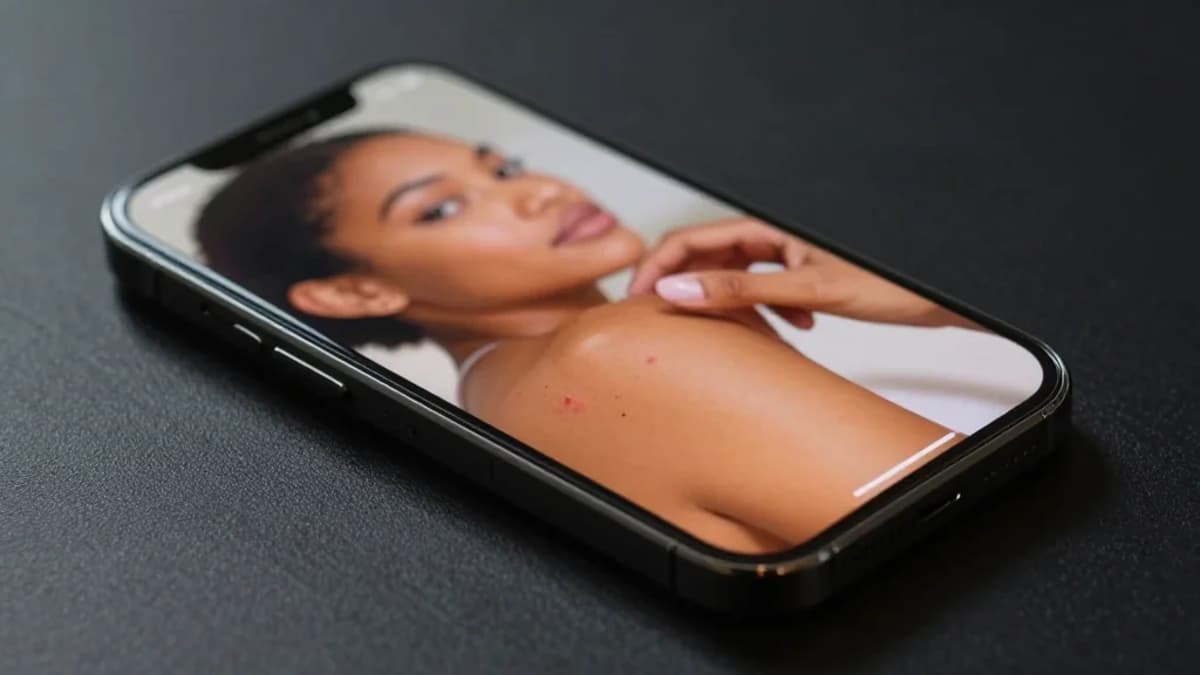
Where Are the Doctors? Patients Leading the Conversation on TikTok About Hidradenitis Suppurativa in Skin of Color
•March 3, 2026
0
Why It Matters
The lack of medical voices on a platform shaping patient decisions risks misinformation and delayed care, especially for a disease already prone to misdiagnosis in communities of color.
Key Takeaways
- •TikTok hosts most HS content for skin‑of‑color patients.
- •Patients created ~45% of videos; doctors only ~20%.
- •Physician videos mainly explain treatments, not holistic care.
- •Content gap may foster unsafe home remedy usage.
- •Increased dermatologist presence could boost evidence‑based guidance.
Pulse Analysis
Hidradenitis suppurativa (HS) is a chronic inflammatory skin disorder that disproportionately impacts Black and other skin‑of‑color populations, often leading to delayed diagnosis and severe scarring. Traditional medical pathways have struggled to reach these patients, who frequently encounter cultural stigma and limited representation in dermatology literature. In this vacuum, TikTok has emerged as a rapid‑fire education hub, where short videos can be shared instantly with millions of followers. The platform’s algorithm amplifies content that resonates emotionally, making personal stories about HS especially visible. Consequently, clinicians are watching the platform's influence grow.
The JMIR Dermatology analysis of 50 HS‑focused TikTok clips revealed a stark creator imbalance: roughly 45 % originated from patients sharing treatment journeys, while only about 20 % featured board‑certified dermatologists. Patient‑generated videos tend to blend anecdotal advice, product reviews, and lifestyle tips, which can foster community support but also propagate unverified remedies. Physician posts, by contrast, concentrate on clinical treatment options and procedural explanations, offering a factual counterweight that is currently underutilized. This disparity leaves a knowledge gap that may encourage trial‑and‑error approaches, potentially worsening disease outcomes.
Bridging this divide requires dermatologists to adopt the same bite‑size, authentic tone that resonates on TikTok, collaborating with patient influencers to co‑create evidence‑based content. Such partnerships can demystify complex therapies, flag unsafe home treatments, and reinforce adherence to prescribed regimens. Beyond HS, the trend signals a broader shift toward decentralized health education, where clinicians who ignore social platforms risk ceding authority to misinformation. Proactive engagement not only enhances patient trust but also positions the specialty at the forefront of digital health innovation.
Where are the doctors? Patients leading the conversation on TikTok about hidradenitis suppurativa in skin of color
0
Comments
Want to join the conversation?
Loading comments...