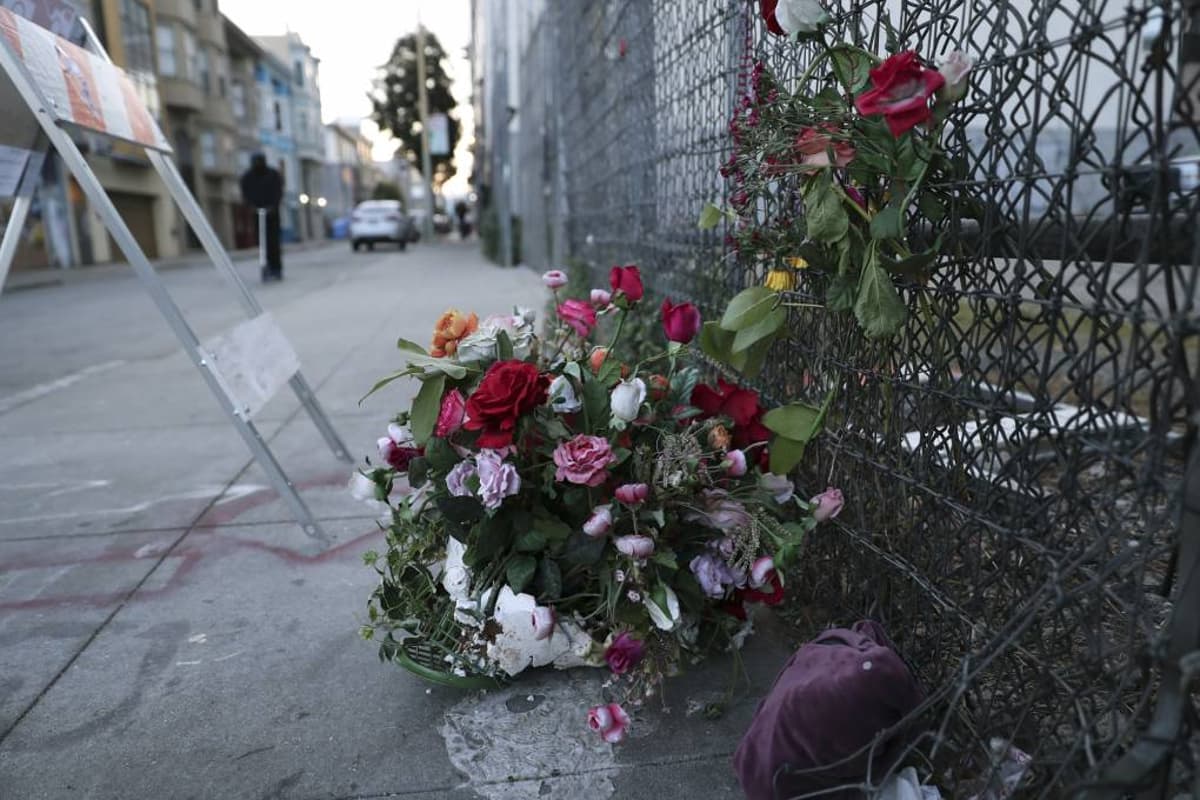
While SF Sees Fewer Fatal Overdoses, Death Rate Is Still Among the Country’s Worst
Why It Matters
The persistent high death rate underscores the limits of current harm‑reduction strategies and signals fiscal pressures that could weaken vital overdose‑prevention services, affecting public health outcomes across the Bay Area and potentially setting a precedent for other cities.
Key Takeaways
- •49 overdose deaths in March, total 148 YTD
- •Death rate remains among highest U.S. metros despite decline
- •New synthetic opioid cychlorphine detected, not caught by test strips
- •City plans $40 million public health cuts, eliminating 120 positions
Pulse Analysis
San Francisco’s latest overdose data show a modest improvement after the 2023 surge that saw nearly 100 deaths per 100,000 residents. In March, 49 people died from accidental drug overdoses, raising the 2024 year‑to‑date total to 148, a drop from the previous two years but still placing the city near the top of federal rankings for metropolitan overdose mortality. The decline aligns with a mid‑2023 disruption of the North‑American opioid supply chain, yet the rate’s persistence highlights entrenched market dynamics that are difficult to eradicate.
The March report also flagged the first local fatality linked to cychlorphine, a synthetic opioid that first appeared in Europe and Canada before reaching the Bay Area. Unlike fentanyl, cychlorphine does not trigger standard test strips, complicating on‑site detection for harm‑reduction volunteers. Fortunately, naloxone (Narcan) remains effective at reversing its overdose effects, but the drug’s potency and stealth raise concerns for users and first responders alike. Experts warn that the emergence of undetectable analogs could undermine current public‑health messaging and increase the urgency for more sophisticated testing tools.
Compounding the health challenge, Mayor Daniel Lurie’s office is pursuing a $40 million reduction in the Department of Public Health, slated to eliminate more than 120 full‑time positions and trim contracts for peer counseling and harm‑reduction services. While officials argue that budget constraints stem from recent federal Medicaid cuts, critics fear the cuts will erode the city’s already strained overdose‑prevention infrastructure. Reducing staff and services could limit the distribution of naloxone kits, outreach in high‑risk neighborhoods like the Mission and Tenderloin, and the rollout of new treatment models such as the Reset Center. The fiscal move therefore risks reversing recent gains and offers a cautionary tale for other municipalities balancing public‑health needs with fiscal pressures.
While SF Sees Fewer Fatal Overdoses, Death Rate Is Still Among the Country’s Worst
Comments
Want to join the conversation?
Loading comments...