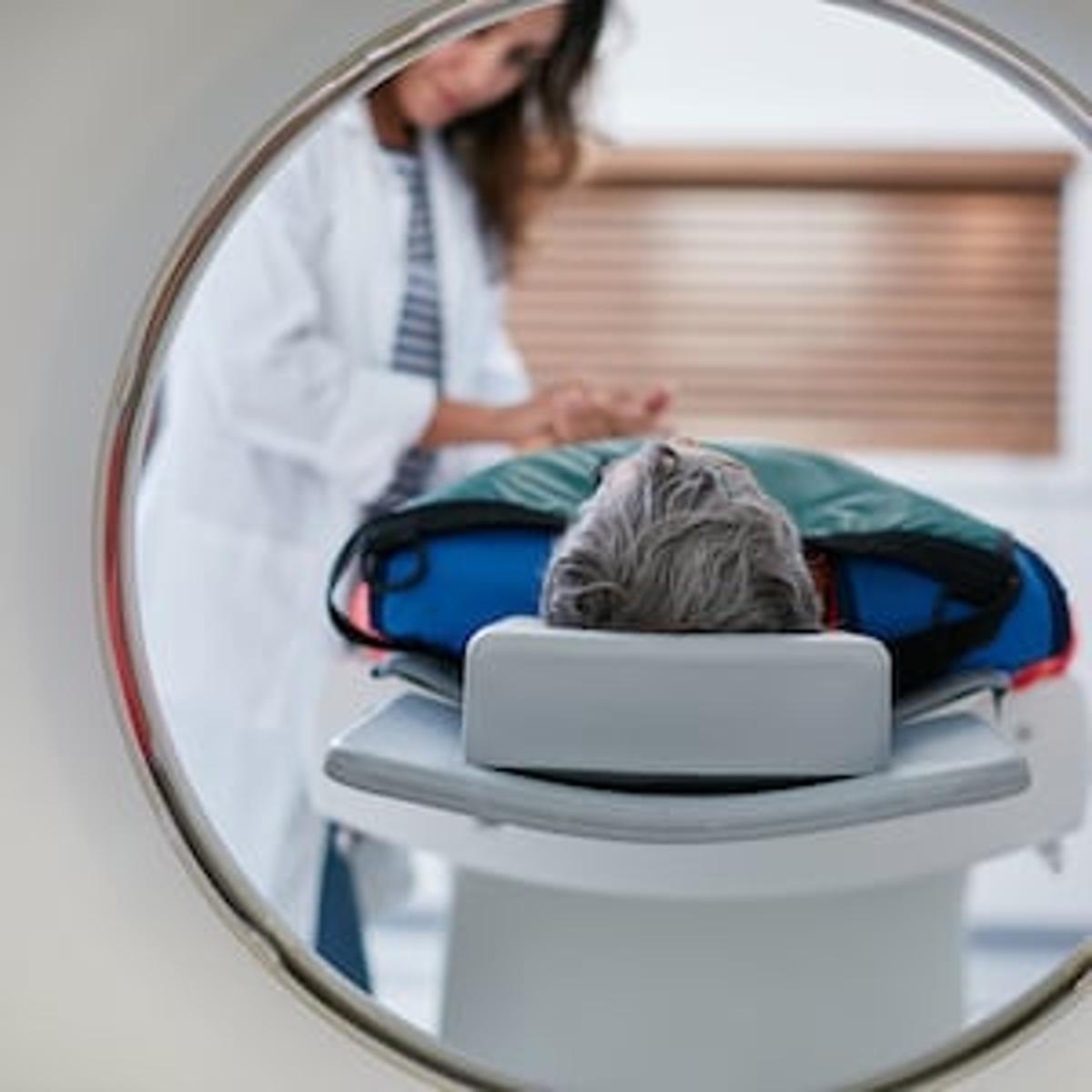
Whistleblower Sparks Investigation Into Health New Zealand’s Medical Scanning Services
Why It Matters
The probe underscores systemic failures in medical imaging that jeopardize patient safety and may compel nationwide investment in modern radiology infrastructure, influencing health policy and regulatory oversight.
Key Takeaways
- •Whistleblower Dr. Bryan Wolf prompted independent radiology probe
- •Michael Heron KC leads investigation for Health New Zealand board
- •Past reports cite unsafe imaging causing patient harm in Hawke’s Bay
- •Outdated radiology tech persists across central North Island hospitals
- •ASMS offers support to clinicians interviewed in the inquiry
Pulse Analysis
New Zealand’s health system has been wrestling with aging radiology equipment for years, a problem that came to a head when a senior radiologist raised concerns about patient safety at Hawke’s Bay Hospital. The whistleblower’s protected disclosure set off a board‑mandated review, appointing Michael Heron KC—renowned for high‑profile public inquiries—to assess the extent of the deficiencies. This move reflects growing pressure on Health New Zealand to address technology gaps that have already led to misdiagnoses and delayed treatment across multiple districts.
The underlying issues extend beyond a single hospital. Investigations in 2023 and 2024 uncovered a patchwork of outdated scanners, insufficient maintenance contracts, and a chronic shortage of trained radiology staff throughout the central North Island. These systemic flaws increase the risk of missed critical findings, strain clinicians, and erode public confidence. Moreover, the Protected Disclosures Act 2022, which shields employees reporting serious wrongdoing, has become a pivotal tool for exposing entrenched operational risks that might otherwise remain hidden.
Looking ahead, the Heron inquiry could catalyze significant policy shifts. If findings are made public, they may trigger accelerated funding for equipment upgrades, tighter regulatory standards for imaging services, and stronger workforce development programs. The case also highlights the importance of robust whistleblower protections in health care, encouraging frontline professionals to surface safety concerns without fear of retaliation. Stakeholders—from government ministries to private equipment suppliers—will be watching the outcome closely, as it may set a precedent for how New Zealand safeguards its diagnostic capabilities moving forward.
Whistleblower sparks investigation into Health New Zealand’s medical scanning services
Comments
Want to join the conversation?
Loading comments...