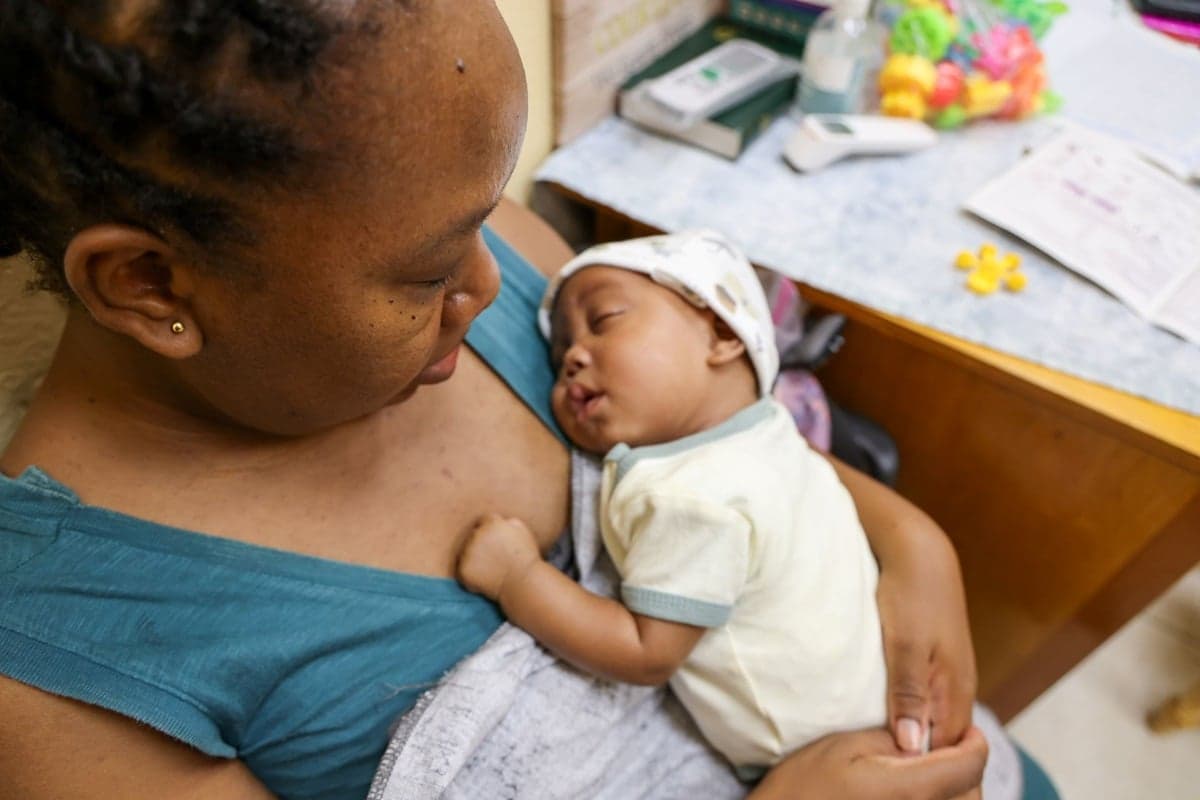
WHO Certifies the Bahamas for Eliminating Mother-to-Child Transmission of HIV
Why It Matters
EMTCT certification signals that the Bahamas’ health system can protect newborns from HIV, reducing long‑term treatment costs and improving population health. It also showcases a replicable model for other low‑resource nations aiming to meet global HIV elimination targets.
Key Takeaways
- •Bahamas meets WHO EMTCT criteria: <2% transmission rate
- •Universal antenatal care provided regardless of nationality or legal status
- •Integrated lab network enables first‑trimester and third‑trimester HIV testing
- •Pre‑exposure prophylaxis now offered to pregnant women under MCH programme
- •Bahamas joins 12 Americas territories certified for EMTCT, boosting regional leadership
Pulse Analysis
The World Health Organization’s certification of the Bahamas as an EMTCT‑free nation marks a watershed moment for Caribbean public health. By driving the mother‑to‑child HIV transmission rate below the 2% threshold and maintaining fewer than five pediatric infections per 1,000 live births, the Bahamas satisfies the same rigorous standards set for global leaders like Cuba and Brazil. This endorsement not only validates the country’s policy framework but also elevates its standing in the WHO’s broader push to eradicate HIV transmission across the Americas by 2030.
Central to the Bahamas’ success is a universal, rights‑based antenatal care model that reaches every pregnant woman, irrespective of citizenship or legal status. The program integrates a robust laboratory network that conducts HIV screening at the first prenatal visit and again in the third trimester, ensuring early detection and rapid treatment initiation. Complementary measures—such as free pre‑exposure prophylaxis for expectant mothers, multi‑month antiretroviral dispensing, and seamless coordination between the Maternal and Child Health programme and the National Infectious Disease Programme—create a continuum of care that minimizes gaps and maximizes adherence. These systemic investments have translated into measurable health outcomes and set a benchmark for other small island states.
Regionally, the Bahamas’ certification reinforces the momentum of the EMTCT Plus Initiative, which targets the elimination of HIV, syphilis, hepatitis B, and congenital Chagas disease. The achievement underscores the effectiveness of coordinated efforts among WHO, PAHO, UNICEF, and UNAIDS, and it provides a scalable template for nations seeking to strengthen primary health‑care infrastructure. As the Bahamas continues surveillance and integrates additional communicable‑disease controls, its experience will likely inform policy dialogues and funding allocations aimed at achieving the 2030 health‑security goals across the Western Hemisphere.
WHO certifies the Bahamas for eliminating mother-to-child transmission of HIV
Comments
Want to join the conversation?
Loading comments...