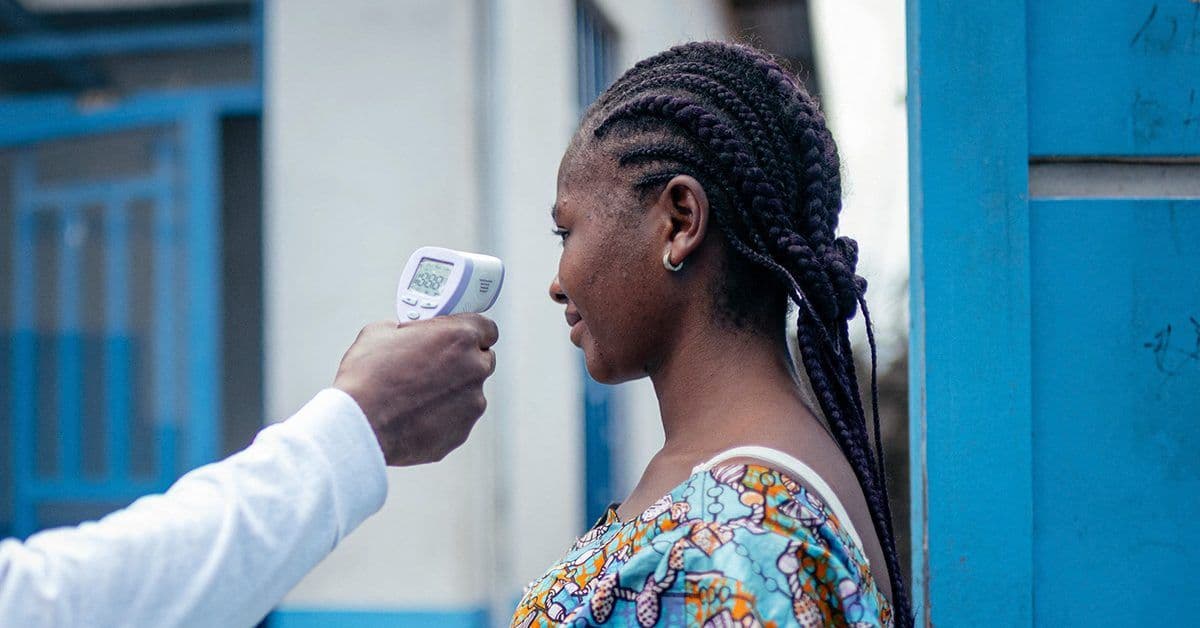
WHO Declares Ebola Global Health Emergency: 6 Things to Know
Why It Matters
The emergency designation triggers coordinated international response, funding, and surveillance to contain a high‑mortality virus lacking medical countermeasures. It underscores the urgency for rapid diagnostics, supportive care capacity, and accelerated vaccine research.
Key Takeaways
- •WHO declares DRC-Uganda Ebola outbreak a public health emergency
- •At least 500 suspected cases and 130 suspected deaths reported
- •Bundibugyo strain lacks approved vaccine or targeted treatment
- •One U.S. healthcare worker diagnosed, now treated in Germany
- •Experts say pandemic unlikely due to transmission mode and high mortality
Pulse Analysis
The WHO’s emergency declaration reflects the rapid spread of the Bundibugyo Ebola strain across the DRC and Uganda, where health ministries have logged more than 500 suspected infections and 130 suspected deaths. Confirmed cases total 30 in the DRC and two in Uganda, with one fatality, highlighting gaps in surveillance and reporting. By invoking the International Health Regulations, the WHO signals that the outbreak meets criteria for an extraordinary event, prompting member states to mobilize resources, share data, and enforce travel advisories where needed.
Clinically, the Bundibugyo strain poses a stark challenge: it carries a 50‑70% case‑fatality rate and, unlike other ebolaviruses, lacks an approved vaccine or specific antiviral therapy. Transmission requires direct contact with infected blood or bodily fluids, making frontline healthcare workers especially vulnerable, as illustrated by the American clinician now hospitalized in Germany. Supportive care—fluid resuscitation, blood‑pressure management, and organ‑support—remains the only proven intervention to improve survival, underscoring the critical need for equipped isolation units and trained staff.
The broader implications extend beyond the immediate region. An emergency of international concern mobilizes global funding streams, accelerates research into next‑generation vaccines, and reinforces contact‑tracing protocols that can prevent cross‑border spread. While experts deem a pandemic unlikely due to the virus’s transmission dynamics, the high mortality and lack of medical countermeasures demand sustained vigilance. International partners must prioritize rapid diagnostic deployment, PPE distribution, and community education to curb the outbreak before it escalates further.
WHO declares Ebola global health emergency: 6 things to know
Comments
Want to join the conversation?
Loading comments...