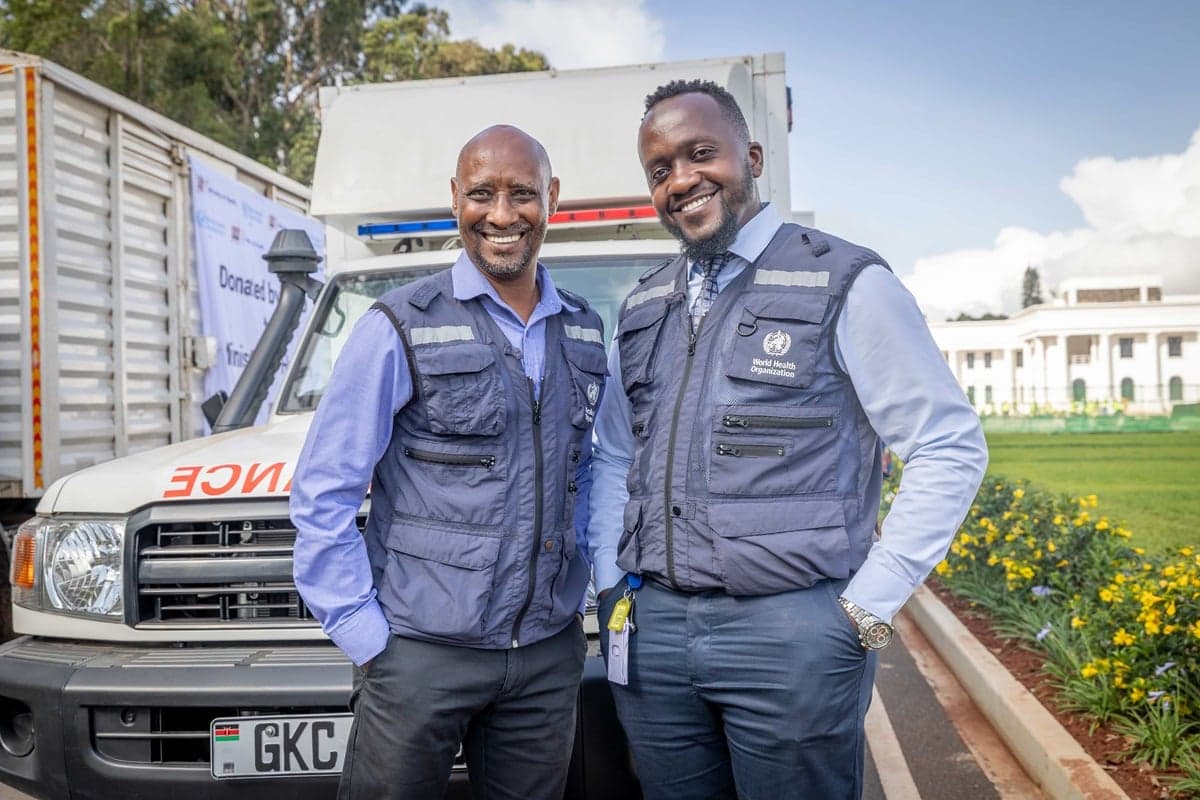
WHO Reports Measurable Health Impact in 2025 Amid Transition to New Strategy
Why It Matters
The data proves WHO can still generate large‑scale health gains when adequately funded, while the unfinished targets signal urgent financing needs for global health security and equity.
Key Takeaways
- •567 million more people received essential services without catastrophic spending
- •698 million more people gained protection against health emergencies
- •1.75 billion more people experienced improved health and well‑being
- •Half of WHO’s output indicators remained unmet, especially in emergencies
- •Funding cuts limit flexible allocation, threatening future health gains
Pulse Analysis
The World Health Organization’s 2025 Results Report, the final assessment of its Thirteenth General Programme of Work, shows measurable gains across the agency’s Triple Billion agenda despite a backdrop of shrinking budgets. By comparing 2025 outcomes with a 2018 baseline, the report quantifies an additional 567 million people protected from catastrophic health spending, 698 million shielded from health emergencies, and 1.75 billion enjoying better health. These figures illustrate that WHO’s technical leadership can still deliver scale when fully mobilized, offering a data‑driven counterpoint to narratives of inevitable decline.
Key advances stem from targeted interventions: expanded surveillance through GLASS sharpened antimicrobial‑resistance policies; mental‑health crisis response rose from 28 % to 48 % country coverage; HPV vaccination coverage more than doubled to 31 % by 2024; and the new Pandemic Agreement, together with revised International Health Regulations, fortified global preparedness. The report also highlights 66 humanitarian emergencies addressed in 88 countries, delivering 33 million medical consultations in Gaza alone, and a refreshed air‑pollution roadmap aiming to halve pollution‑related deaths by 2040. Such outcomes underscore WHO’s convening power and the tangible impact of its guidelines.
Nevertheless, roughly half of WHO’s output indicators fell short, especially in resource‑constrained settings, and earmarked funding restricts strategic reallocation. With the global fiscal environment tightening, sustained and flexible financing is essential to protect the gains and close gaps in diabetes care, measles surveillance, and emergency response. Policymakers and donors must view WHO not merely as a cost centre but as critical infrastructure for achieving the health‑related Sustainable Development Goals by 2030.
WHO reports measurable health impact in 2025 amid transition to new strategy
Comments
Want to join the conversation?
Loading comments...