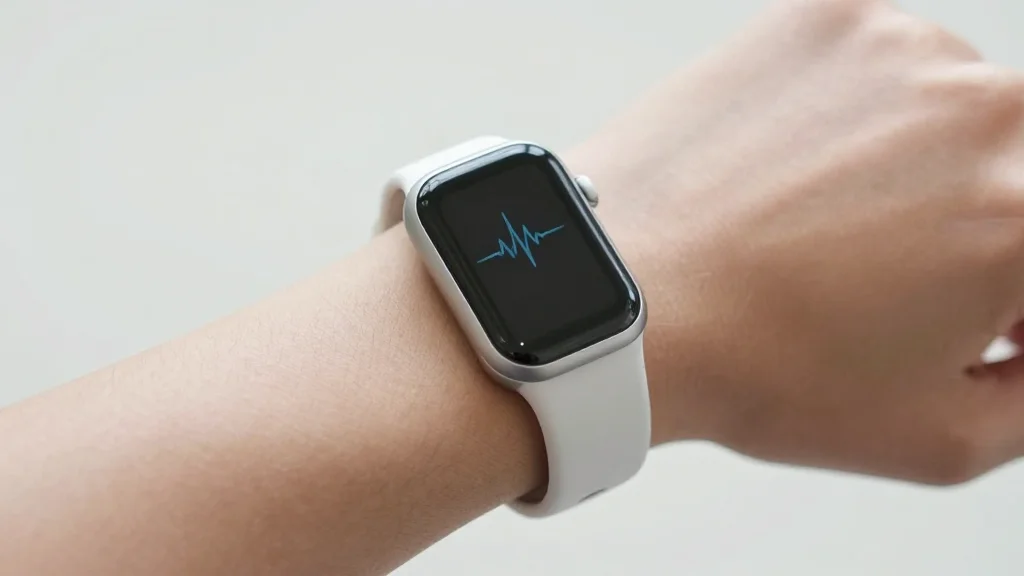
Whoop Adds In‑app Video Doctor Visits and EHR Sync, Expanding Wearable‑based Telehealth

Companies Mentioned
Why It Matters
The integration of telemedicine directly into a performance‑focused wearable blurs the line between consumer fitness tech and clinical health services. By giving clinicians access to months of continuous biometric data, Whoop could improve diagnostic accuracy and personalize treatment plans, potentially reducing unnecessary office visits. For the broader digital‑health sector, the move signals a shift toward unified platforms that combine self‑tracking, AI coaching, and professional care, accelerating the convergence of wellness and medical ecosystems. If successful, Whoop’s model may pressure rivals to deepen their own clinical integrations, prompting a wave of new partnerships with EHR vendors and health‑system providers. This could reshape reimbursement structures, as insurers evaluate whether such bundled services deliver cost savings compared with conventional care pathways.
Key Takeaways
- •Whoop will launch in‑app video consultations with licensed clinicians this summer in the United States.
- •New EHR syncing partnership with HealthEx will let clinicians pull medical histories directly into the app.
- •The service will carry an additional fee, though pricing details remain undisclosed.
- •Whoop adds AI features "My Memory" and "Proactive Check‑Ins" to personalize coaching.
- •Launch follows Google’s Fitbit Air debut at $99.99, intensifying competition in the screenless wearable market.
Pulse Analysis
Whoop’s decision to embed telemedicine within its platform reflects a broader industry trend: turning raw biometric streams into actionable clinical insights. Historically, wearables have been relegated to the wellness fringe, offering data that physicians could not easily incorporate into care pathways. Whoop’s EHR sync and clinician access to longitudinal data could close that gap, making the device a viable adjunct to primary‑care visits. The key advantage lies in the depth of data—months of sleep, strain and recovery metrics—that can contextualize symptoms and guide treatment.
From a competitive standpoint, Whoop is differentiating itself from Apple and Garmin, which focus on broader health dashboards, by targeting a niche of performance‑oriented users who also value clinical oversight. The timing is strategic; the Fitbit Air’s entry into the screenless space forces Whoop to defend its market share with a value‑added service rather than a price war. However, the success of the model hinges on pricing and reimbursement. If the additional cost is perceived as prohibitive, adoption may lag, especially among younger users who already pay a subscription for basic analytics.
Looking ahead, the rollout could catalyze a new wave of partnerships between wearable manufacturers and health‑system EHR platforms. As data standards mature and privacy frameworks solidify, we may see bundled subscription models that combine device hardware, AI coaching, and clinician access under a single fee. Such convergence would not only deepen user engagement but also create new revenue streams for both tech firms and health providers, reshaping the economics of digital health.
Whoop adds in‑app video doctor visits and EHR sync, expanding wearable‑based telehealth
Comments
Want to join the conversation?
Loading comments...