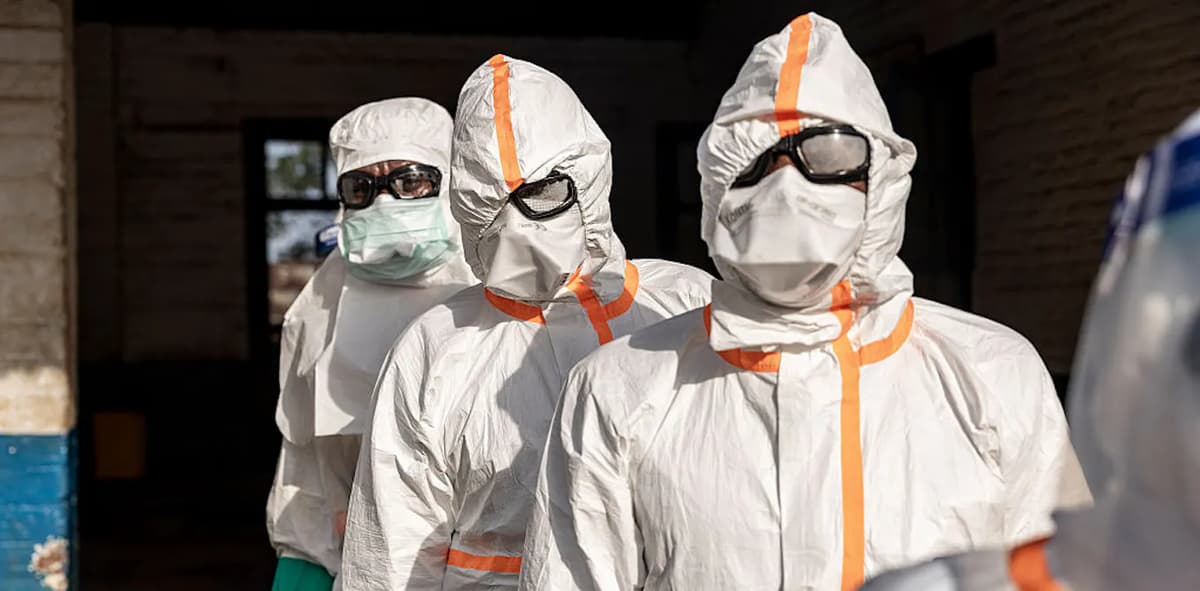
Why Africa – and the World – Remain Dangerously Unprepared for the Next Pandemic
Why It Matters
Without closing the preparedness gap, the continent—and the world—remain vulnerable to high‑mortality outbreaks that can quickly become global crises, threatening health, economies, and security.
Key Takeaways
- •WHO's GPMB report warns pandemic risk outpacing preparedness funding.
- •Africa's Ebola outbreak in DRC declared PHEIC in May 2026.
- •Report urges independent risk monitoring, workforce retention, equitable countermeasures.
- •African Epidemic Fund launched 2025 to finance rapid response.
- •Political commitment and local data sovereignty essential for resilient health systems.
Pulse Analysis
The latest WHO Global Preparedness Monitoring Board report arrives at a critical moment, as the Ebola resurgence in the Democratic Republic of Congo underscores the continent’s exposure to high‑impact pathogens. While the world has learned hard lessons from COVID‑19, funding streams for surveillance, vaccine development, and rapid response have not kept pace with the accelerating threat landscape. This disconnect fuels a dangerous paradox: heightened risk paired with stagnant preparedness, leaving low‑ and middle‑income regions, particularly in Africa, to shoulder disproportionate health and economic burdens.
A central theme of the report is sovereignty over health data and indigenous capacity building. African nations are urged to develop independent monitoring systems, ensuring that pathogen samples and surveillance information remain under local control rather than being handed to external donors. By channeling domestically sourced funds into research hubs and leveraging agencies like the Africa CDC, the continent can transform raw data into homegrown vaccines and diagnostics, reducing reliance on volatile global supply chains. The African Epidemic Fund, launched in 2025, exemplifies a blended‑finance model that pools public and private resources to create rapid‑deployment reserves, a blueprint other regions may emulate.
Sustained political will is the linchpin that binds these initiatives together. Leaders must embed pandemic preparedness into national agendas, allocate consistent budgetary support, and enforce accountability mechanisms that track progress against clear metrics. When political attention translates into concrete policies—such as ratifying international health pacts that guarantee technology transfer and IP waivers—the continent can achieve a resilient health architecture capable of detecting, containing, and neutralizing future threats before they spill over globally. This integrated approach not only safeguards African populations but also fortifies worldwide health security.
Why Africa – and the world – remain dangerously unprepared for the next pandemic
Comments
Want to join the conversation?
Loading comments...