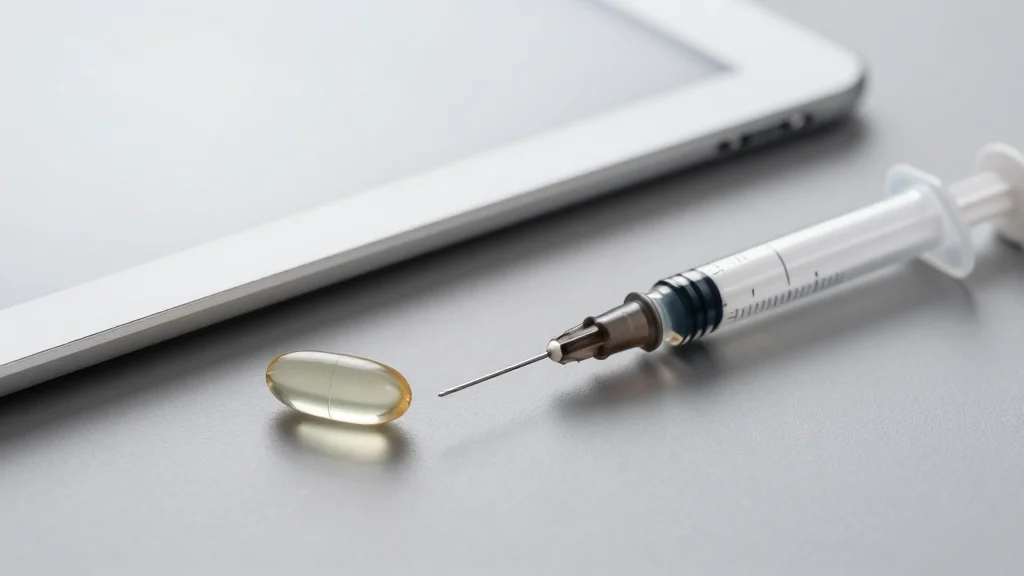
Why Are Medications Administered in Different Forms?
Companies Mentioned
Why It Matters
The chosen delivery route directly influences drug efficacy, safety, and patient adherence, shaping both clinical outcomes and regulatory oversight across the pharmaceutical industry.
Key Takeaways
- •Delivery route chosen to match target organ and urgency
- •Oral route covers 90% of TB drugs but may be unsuitable
- •Compounded, preservative‑free forms address GI or allergy constraints
- •Injection can reduce systemic dilution for critical interventions
- •Pharmacovigilance tracks off‑target effects across administration routes
Pulse Analysis
Choosing the optimal drug delivery route is a cornerstone of modern therapeutics. Pharmacokinetic principles dictate that the same molecule can exhibit vastly different absorption rates, bioavailability, and tissue distribution depending on whether it is swallowed, inhaled, injected, or applied rectally. By aligning the route with the physiological target—such as delivering bronchodilators via inhalation for rapid lung uptake—clinicians maximize therapeutic impact while minimizing systemic exposure. This strategic alignment also shortens time to clinical effect, a critical factor in emergency settings like myocardial infarction or severe infections.
When oral administration is compromised by gastric acidity, motility disorders, or patient intolerance to preservatives, compounded formulations become essential. Pharmacists leverage centuries‑old compounding techniques to create suppositories, transdermal gels, or preservative‑free injectables tailored to individual needs. These custom preparations not only bypass dysfunctional gastrointestinal tracts but also reduce the risk of allergic reactions linked to excipients. The rise of personalized medicine has amplified demand for such niche delivery solutions, prompting regulatory bodies to refine guidelines around sterile compounding and quality assurance.
Post‑approval, pharmacovigilance programs monitor route‑specific adverse events, expanding the safety profile beyond initial clinical trials. Off‑target effects may emerge only after widespread use, especially when a drug is administered via a novel pathway. By systematically collecting real‑world data, the FDA can update labeling, adjust dosing recommendations, and inform future drug design. Understanding the therapeutic window for each delivery method ensures that clinicians strike the right balance between efficacy and toxicity, ultimately driving better patient outcomes and fostering innovation in drug delivery technologies.
Why are medications administered in different forms?
Comments
Want to join the conversation?
Loading comments...