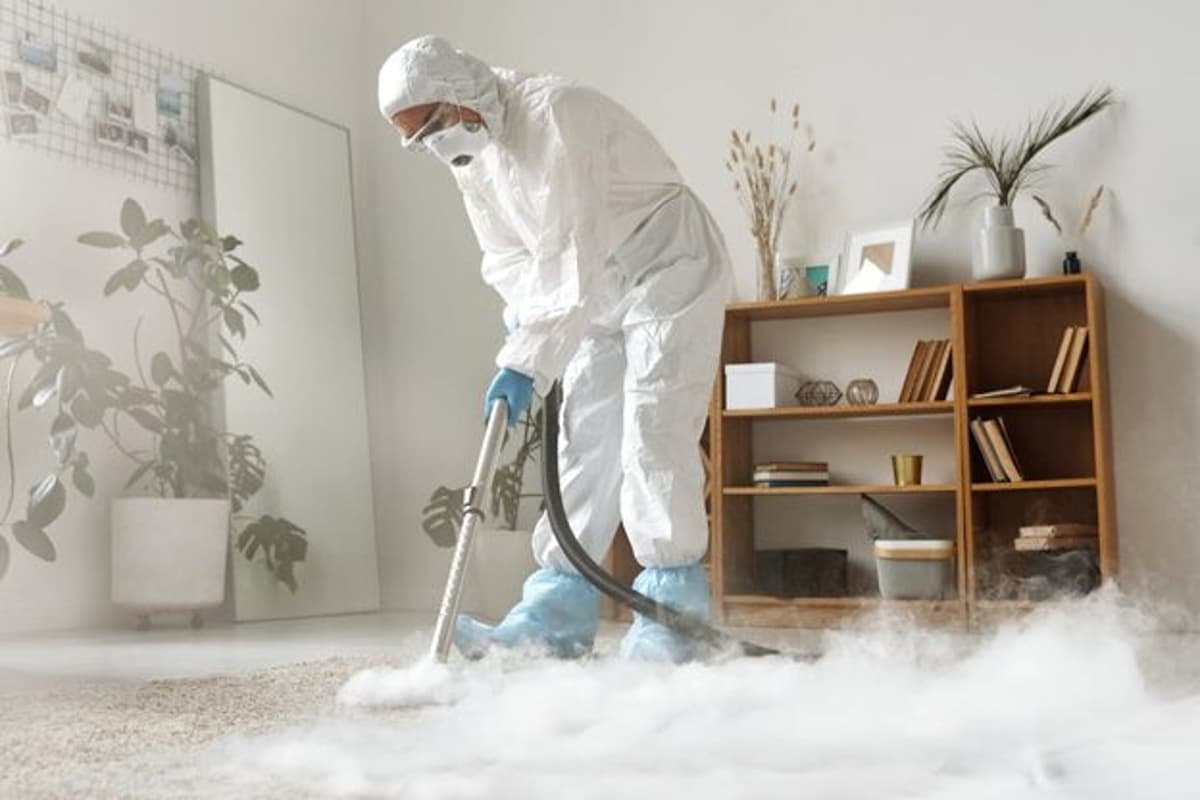
Why Carpet Disinfectant Is Critical for Infection Control in Healthcare Facilities
Why It Matters
Undisclosed microbial loads in carpeted areas increase healthcare‑associated infection risk, jeopardizing patient safety and regulatory compliance. Proper disinfection mitigates this risk, protecting vulnerable patients and supporting accreditation requirements.
Key Takeaways
- •Carpets trap bacteria, viruses deep within fibers
- •Standard cleaning removes dirt but not hidden pathogens
- •Disinfection kills residual microbes after cleaning
- •High‑traffic zones need more frequent carpet disinfection
- •Proper protocols boost patient safety and regulatory compliance
Pulse Analysis
Carpeted floors in medical facilities act as silent reservoirs for pathogens, a fact supported by multiple studies linking floor contamination to increased infection rates. Foot traffic, wheeled equipment, and staff shoes constantly deposit microbes that settle deep into carpet fibers, creating a persistent source of exposure for immunocompromised patients. Recognizing carpets as high‑risk surfaces shifts the focus from superficial cleanliness to a more comprehensive hygiene strategy that addresses both visible and invisible threats.
The distinction between cleaning and disinfection is pivotal in healthcare settings. Cleaning removes visible debris and reduces surface grime, but it does not guarantee the eradication of harmful microorganisms. Disinfection, on the other hand, is designed to inactivate bacteria, viruses, and fungi that survive the cleaning phase. Regulatory bodies such as the CDC and Joint Commission require a two‑step process—clean first, then disinfect—to ensure that environmental controls meet clinical safety standards. By applying EPA‑registered carpet disinfectants that meet efficacy criteria against clinically relevant pathogens, facilities create a layered defense that significantly lowers transmission risk.
Implementing a robust carpet‑disinfection program involves identifying high‑traffic zones, selecting products with proven residual activity, and establishing evidence‑based cleaning frequencies. Facilities often prioritize waiting areas, corridors, and patient rooms, scheduling disinfection after peak usage periods to maximize impact. While the upfront cost of specialized disinfectants may appear higher than standard cleaners, the reduction in infection‑related expenses, shorter patient stays, and improved compliance scores deliver a compelling return on investment. Ultimately, a disciplined carpet‑care regimen transforms a potential infection source into a controlled element of the overall safety ecosystem.
Why Carpet Disinfectant Is Critical for Infection Control in Healthcare Facilities
Comments
Want to join the conversation?
Loading comments...