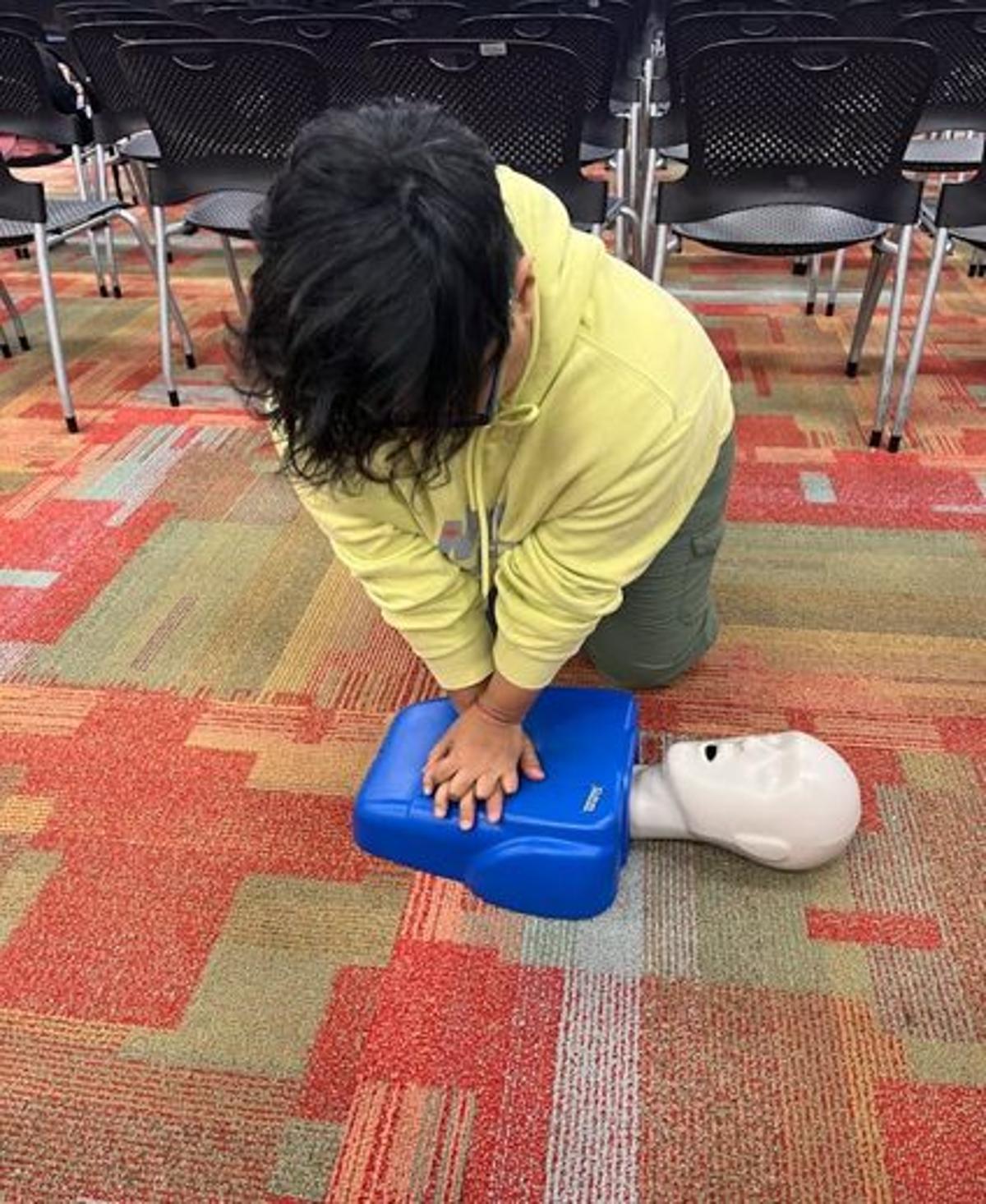
Why Non-Clinical Healthcare Staff Are Increasingly Required to Learn CPR
Why It Matters
Equipping non‑clinical staff with CPR skills shortens the critical response window, boosting patient survival rates and reducing liability for healthcare providers. It also creates a safer, more collaborative workplace culture that can be a differentiator in talent acquisition.
Key Takeaways
- •CPR training now includes receptionists, billing, facilities, and IT staff.
- •Four‑minute survival window drives need for immediate bystander CPR.
- •Joint Commission and OSHA standards push broader emergency‑response certification.
- •Certified non‑clinical workers improve outcomes and enhance organizational culture.
Pulse Analysis
The shift toward universal CPR training in healthcare reflects a pragmatic response to where emergencies actually happen. Patients and visitors can collapse in lobbies, corridors, or parking garages, leaving the nearest employee—often a front‑desk clerk or facilities technician—as the first line of defense. By empowering these non‑clinical workers to initiate chest compressions within the crucial four‑minute window, hospitals dramatically increase the odds of survival and mitigate the risk of irreversible brain injury.
Regulatory pressure is a major catalyst for this trend. The Joint Commission’s accreditation standards now emphasize comprehensive emergency preparedness, while OSHA mandates workplace safety that includes life‑saving interventions. Insurance underwriters are also probing the density of CPR‑qualified staff on each shift, linking coverage terms to demonstrated readiness. In response, many health systems have streamlined in‑house training, offering half‑day CPR/AED sessions that align with shift patterns and provide two‑year certifications, making compliance both affordable and logistically simple.
From a business perspective, CPR certification has become a valuable credential on resumes, especially for patient‑facing roles. Candidates who can demonstrate emergency‑response competence are more attractive in a competitive labor market, and employers benefit from reduced liability and enhanced brand reputation. Moreover, a culture where every employee feels capable of contributing during a crisis fosters higher morale and teamwork. As regulations tighten and training technology advances, the expectation that all healthcare staff—clinical or not—can perform CPR is set to become the industry norm.
Why Non-Clinical Healthcare Staff Are Increasingly Required to Learn CPR
Comments
Want to join the conversation?
Loading comments...