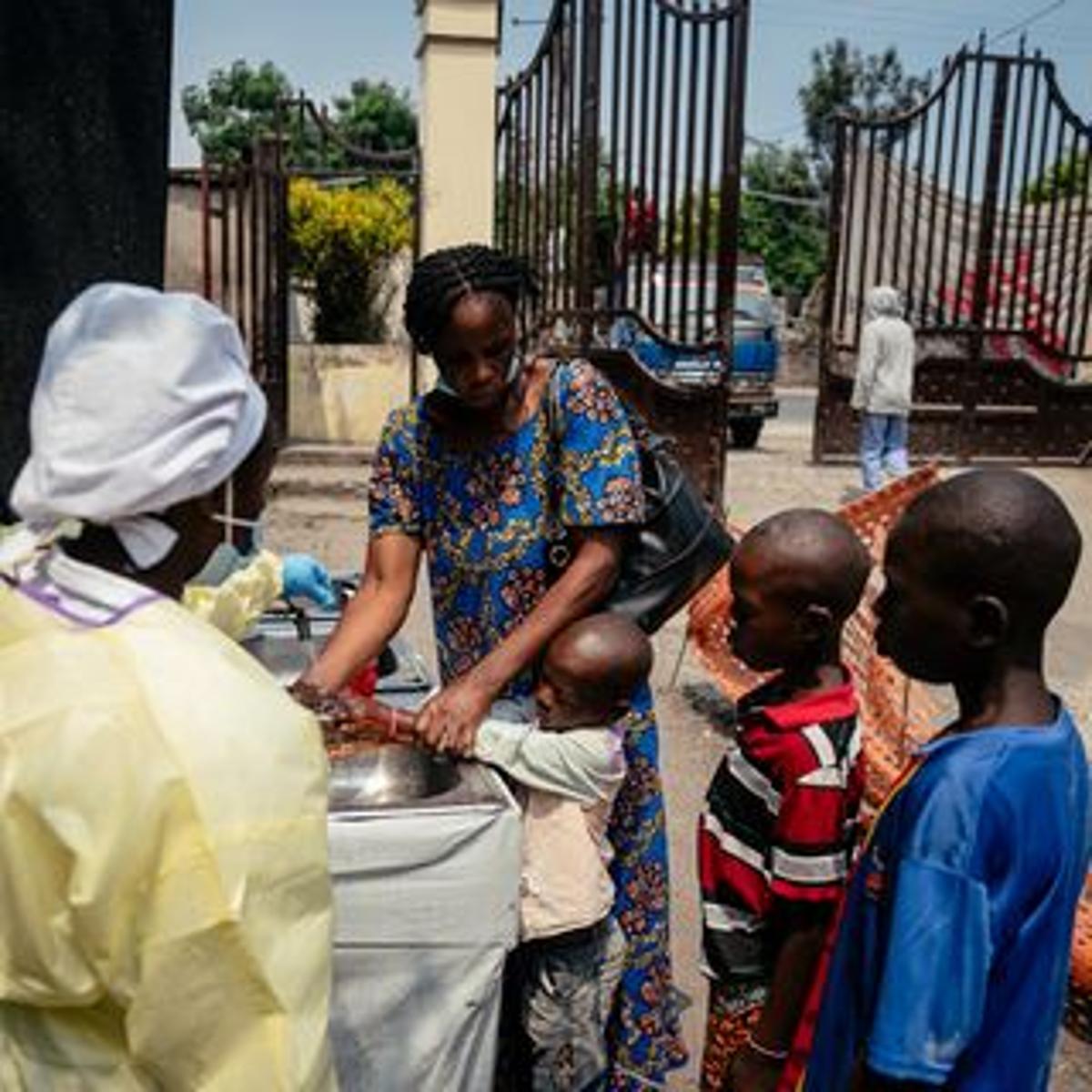
Why the Ebola Outbreak Is Worrying Public Health Officials
Why It Matters
The episode exposes critical gaps in global disease‑response capacity and highlights how reduced funding for agencies like USAID threatens effective contact tracing and outbreak control, raising the risk of a larger epidemic.
Key Takeaways
- •Bundibugyo Ebola strain lacks approved vaccine, complicating response.
- •30 confirmed cases in DRC, plus 2 in Uganda, 500+ suspected.
- •WHO declared the outbreak a public health emergency of international concern.
- •US imposed travel restrictions for non‑citizens from DRC, Uganda, South Sudan.
- •Diminished USAID and workforce raise doubts about effective contact tracing.
Pulse Analysis
The current Ebola flare‑up centers on the rare Bundibugyo variant, a strain without a licensed vaccine and situated in a densely populated, mobile region of the DRC plagued by conflict. With 30 laboratory‑confirmed cases, two deaths in neighboring Uganda, and over 500 suspected infections, the World Health Organization escalated the event to a public health emergency of international concern. Compared with the 2014‑2016 West Africa crisis that claimed more than 11,000 lives, the fatality rate of 30‑50% remains a stark reminder of the virus’s lethality.
Containment challenges are amplified by limited diagnostic capacity, delayed reporting, and a shrinking global health workforce. The United States, while assessing a low direct risk to its citizens, responded with travel bans for non‑U.S. passport holders from the DRC, Uganda and South Sudan and bolstered port‑of‑entry screening. Yet experts warn that without robust on‑the‑ground support—particularly contact‑tracing teams historically funded by USAID—the outbreak could expand beyond current estimates. The recent dismantling of key public‑health programs has left a vacuum that hampers rapid response and fuels uncertainty among policymakers.
The episode underscores the urgent need for accelerated vaccine research, scalable diagnostic tools, and sustained investment in pandemic preparedness infrastructure. Strengthening cross‑border surveillance, restoring funding for agencies that coordinate field operations, and integrating community‑based health workers are essential steps to curb future spillovers. For investors and businesses, the situation signals heightened geopolitical risk in Central Africa and potential supply‑chain disruptions, reinforcing the importance of monitoring health‑security developments as a component of strategic risk management.
Why the Ebola outbreak is worrying public health officials
Comments
Want to join the conversation?
Loading comments...