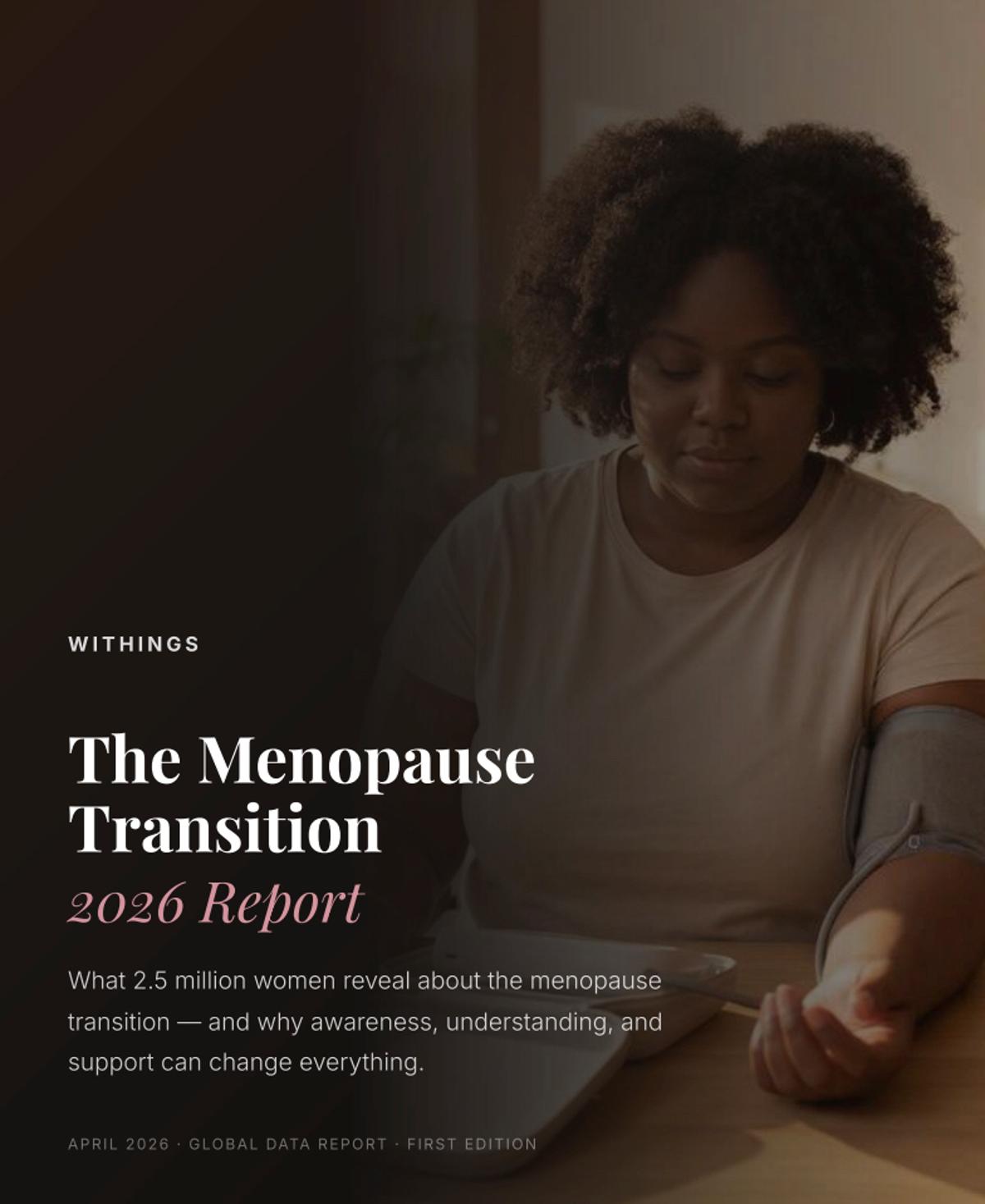
Withings Report Reveals Why Menopause Is a Critical Cardiovascular Window
Companies Mentioned
Why It Matters
The findings reframe menopause from a reproductive milestone to a high‑risk period for heart disease, urging clinicians and women to prioritize cardiovascular screening and preventive lifestyle changes during the transition.
Key Takeaways
- •AFib prevalence rises fourfold globally, 3.8× in U.S. post‑menopause.
- •HRV drops 33% worldwide, but only 17% among U.S. women.
- •Arterial stiffness increases 27%, PWV nears risk thresholds.
- •44.5% of women delay menopause tracking until age 50+, missing early signs.
- •Nearly 70% of menopause‑related cardiovascular risk is lifestyle‑modifiable.
Pulse Analysis
The Withings Menopause Transition 2026 report leverages real‑world data from millions of connected‑device users to expose a hidden cardiovascular surge that coincides with estrogen decline. By mapping physiological markers across six reproductive stages, the study quantifies how women’s heart health converges with men’s after menopause, a nuance often absent from traditional epidemiology. This granular, cross‑regional insight equips health systems with evidence to redesign screening protocols, especially as wearable tech becomes a mainstream data source for preventive care.
Key metrics underscore the urgency: atrial fibrillation rates climb from 1.86 % in early reproductive years to 7 % in late post‑menopause in the United States, a fourfold global increase. Meanwhile, heart‑rate variability—a proxy for autonomic resilience—plummets 33 % worldwide but only 17 % among U.S. women, suggesting a paradox of higher metabolic risk yet retained autonomic flexibility. Arterial stiffness rises 27 %, pushing pulse‑wave velocity toward established cardiovascular thresholds, and the most pronounced shifts occur between stages 4 and 5, the immediate post‑menopause window.
For clinicians and insurers, the report signals a clear opportunity to intervene earlier. With 44.5 % of women postponing menopause tracking until age 50+, many miss the decade‑long lead‑in where visceral fat and systolic pressure already rise. Since roughly 70 % of menopause‑related cardiovascular risk is modifiable through diet, resistance training, and continuous blood‑pressure monitoring, integrating wearable analytics into routine care could slash future events. The data also positions technology firms to expand women‑focused health platforms, aligning product roadmaps with a demographic poised for heightened cardiovascular vigilance.
Withings Report Reveals Why Menopause is a Critical Cardiovascular Window
Comments
Want to join the conversation?
Loading comments...