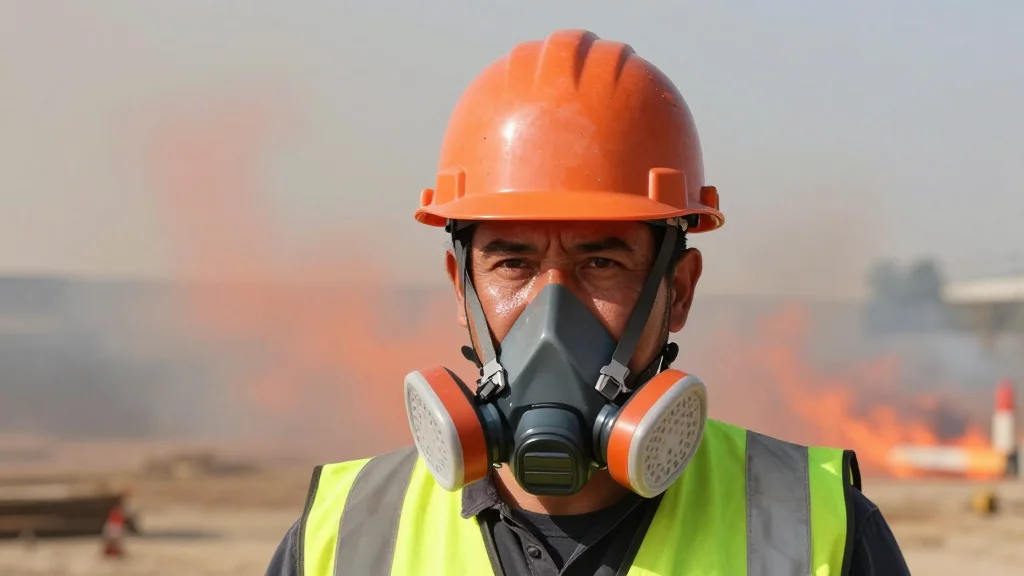
World Health Organization Must Prioritize Workers, Experts Say
Why It Matters
Neglecting occupational health undermines global productivity, inflates healthcare costs, and leaves billions of workers vulnerable to preventable disease and climate‑related hazards. Restoring WHO focus could drive coordinated standards and funding that protect economies and lives.
Key Takeaways
- •WHO cut occupational health funding after US donor withdrew
- •Silicosis prevention program stalled since joint WHO‑ILO meeting 2003
- •Work‑related illnesses cost up to $3 trillion, ~6% of global GDP
- •Climate change amplifies heat stress, chemical exposure, and workplace injuries
- •GOSH coalition urges new WHO director to restore occupational health unit
Pulse Analysis
The WHO’s retreat from occupational health reflects a broader funding crisis triggered by the United States ending its contributions, which accounted for roughly 18% of the agency’s budget. The $700 million reduction in core program financing has forced the organization to drop worker‑health initiatives from its 2024‑25 priorities, despite decades of collaboration with the International Labour Organization on silicosis eradication and other high‑risk sectors. This budgetary squeeze not only stalls progress on long‑standing disease‑prevention programs but also erodes the institutional memory built through regular WHO‑ILO joint committee meetings, the last of which convened in 2003.
The economic stakes of sidelining occupational health are stark. The GOSH coalition estimates that work‑related injuries, illnesses, and deaths cost the global economy up to $3 trillion each year—about 6% of worldwide GDP. Emerging threats, such as engineered‑stone silicosis and climate‑driven heat stress, are compounding traditional hazards like chemical exposure and ergonomic injuries. As extreme temperatures exacerbate mental‑status changes, falls, and equipment failures, the burden on health systems and productivity intensifies, underscoring the need for coordinated, evidence‑based interventions.
Political momentum may still shift the tide. With the WHO director‑general election underway, occupational‑health advocates are lobbying candidates to reinstate a dedicated program unit, revive the WHO‑ILO joint committee, and protect collaborating centers that drive research and training. Restoring these structures could align global health agendas with climate resilience, ensuring that billions of workers—and the economies they support—receive the protection needed to thrive in a warming world.
World Health Organization Must Prioritize Workers, Experts Say
Comments
Want to join the conversation?
Loading comments...