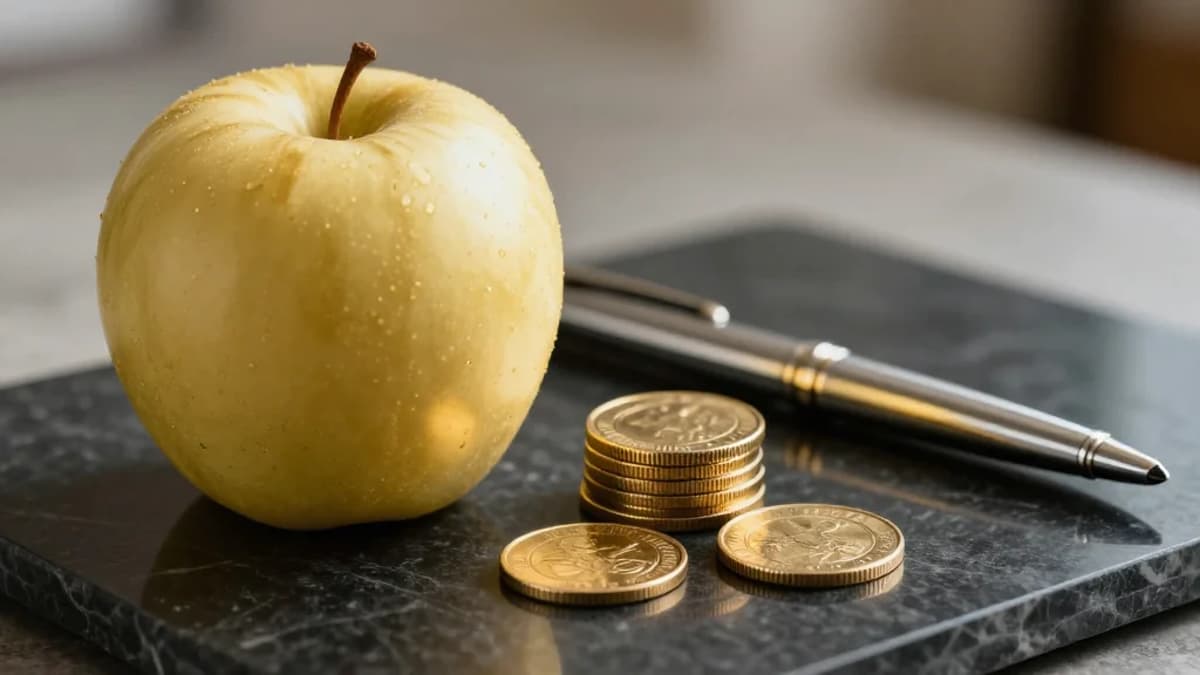
Berkshire Hathaway Trims Apple Stake, Buys NYTimes Stock in Buffett's Last Moves as CEO
•February 17, 2026
0
Why It Matters
The trim signals Berkshire’s intent to streamline its mega‑cap exposure while the Times investment diversifies earnings sources, shaping investor expectations during the leadership transition.
Key Takeaways
- •Berkshire cuts Apple stake by 4.3% to $61.96B
- •Apple remains Berkshire's largest holding despite reduction
- •Berkshire adds $351.7M stake in The New York Times
- •Buffett steps down; Greg Abel becomes CEO
- •Portfolio shift may aid succession planning
Pulse Analysis
Berkshire Hathaway’s modest reduction in Apple shares marks the latest tweak to a position that has long defined the conglomerate’s equity portfolio. Apple, still valued at nearly $62 billion, accounts for a sizable share of Berkshire’s market‑cap exposure, but the 4.3% cut aligns the holding with a more manageable risk profile as the firm pivots toward a post‑Buffett investment philosophy. By trimming a portion of its most liquid asset, Berkshire can free capital for opportunistic bets without sacrificing its core growth engine.
The newly disclosed $351.7 million investment in The New York Times adds a premium‑media component to Berkshire’s traditionally consumer‑goods‑heavy roster. This diversification offers a hedge against technology‑sector volatility and taps into the steady cash‑flow model of subscription journalism. Coupled with a modest stake in Alphabet, the moves suggest a broader strategy to balance high‑growth tech names with stable, cash‑generating businesses, a shift that may appeal to risk‑averse institutional investors monitoring the transition from Warren Buffett to Greg Abel.
Leadership change amplifies the significance of these portfolio adjustments. As Buffett steps aside, the succession plan places Greg Abel at the helm, while investment managers Todd Combs and Ted Weschler continue to shape asset allocation. The rebalancing could be interpreted as a signal to the market that Berkshire is positioning itself for a smoother handover, emphasizing disciplined capital allocation over headline‑grabbing bets. Investors will watch how these tweaks affect Berkshire’s long‑term returns and whether the new media exposure enhances earnings resilience in an increasingly digital economy.
Berkshire Hathaway trims Apple stake, buys NYTimes stock in Buffett's last moves as CEO
0
Comments
Want to join the conversation?
Loading comments...