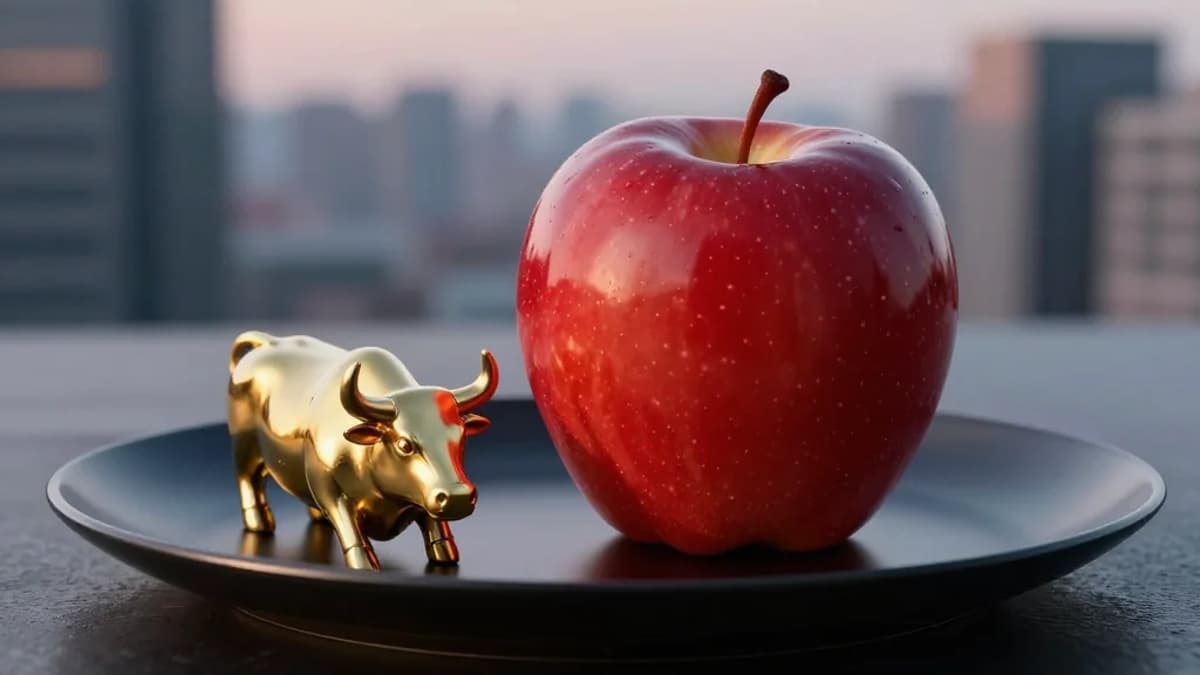
New Research Says: Apple Could Be Safe From AI Bubble Fears
•February 23, 2026
0
Why It Matters
Apple’s relative insulation from the AI bubble offers investors a rare defensive tech play, potentially stabilizing portfolios amid sector‑wide corrections.
Key Takeaways
- •Apple shares up 17% vs Nasdaq 8% in six months.
- •Correlation with Nasdaq-100 lowest since 2006.
- •No major AI capex; hardware focus shields from AI volatility.
- •Q1 revenue up 23% iPhone, 16% overall.
- •New low‑cost MacBook and iPhone 17e launching March.
Pulse Analysis
The AI hype cycle has sparked a wave of speculative investment, pushing valuations of data‑center and SaaS firms to historic highs. As earnings reports reveal over‑investment and margin pressure, many investors fear a corrective bubble. Apple, however, remains largely untouched by this trend because its core revenue streams are anchored in hardware sales rather than AI‑centric services, allowing its stock to drift away from the volatility that has rattled peers like Nvidia and Microsoft.
Apple’s latest financials underscore the strength of its hardware ecosystem. A 23% year‑over‑year jump in iPhone net sales and a 16% rise in total revenue signal robust consumer demand, while the company’s strategic rollout of a budget‑friendly MacBook and the upcoming iPhone 17e aim to capture price‑sensitive segments. This product diversification not only fuels short‑term sales momentum but also expands Apple’s addressable market, reinforcing its earnings visibility in an environment where many tech firms grapple with uncertain AI monetization pathways.
For investors, Apple’s decreasing correlation with the Nasdaq‑100—its lowest since 2006—positions the stock as a potential hedge against a broader tech pullback. While the lack of large AI‑related capex reduces exposure to sector‑specific risks, it also means Apple may miss out on early AI-driven growth opportunities. Consequently, portfolio managers must weigh Apple’s defensive hardware moat against the possibility of lagging behind AI innovators, aligning the stock’s role with individual risk tolerance and diversification goals.
New Research Says: Apple Could Be Safe From AI Bubble Fears
0
Comments
Want to join the conversation?
Loading comments...