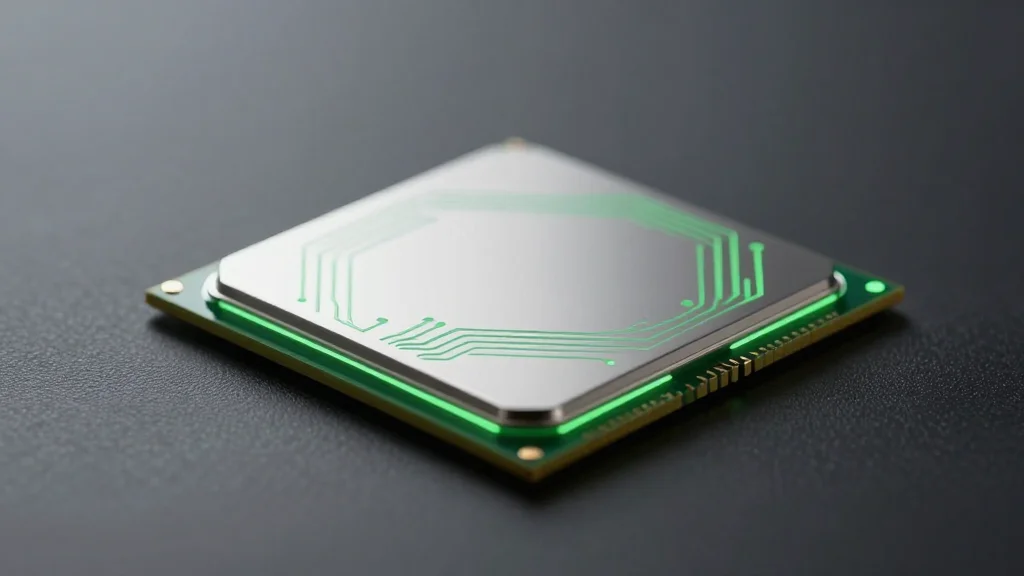
Nvidia Unveils RTX Spark (N1X) Chip to Reinvent AI‑powered PCs

Companies Mentioned
Why It Matters
RTX Spark marks Nvidia’s first foray into consumer‑grade silicon, a market traditionally dominated by Intel, AMD and Apple. By embedding high‑performance AI directly into the PC, Nvidia could unlock new use cases—from real‑time language translation to on‑device content creation—that were previously limited to cloud services. This shift not only diversifies Nvidia’s revenue base but also raises the stakes for competing large‑cap hardware makers, potentially reshaping valuation multiples across the sector. Moreover, the chip’s launch dovetails with Nvidia’s broader push into edge AI, as seen in its Drive Hyperion robotaxi partnerships and aggressive talent acquisition. Together, these moves signal a strategic bet that AI will become a commodity embedded in everyday devices, expanding the addressable market for Nvidia’s compute platforms and reinforcing its status as a bellwether for the AI‑driven economy.
Key Takeaways
- •Nvidia unveiled RTX Spark (code‑named N1X), an all‑in‑one AI chip for PCs, at Computex 2026.
- •CEO Jensen Huang said the chip will support local AI agents and remain relevant for 5‑10 years.
- •Roadmap includes follow‑on N2X and N3X chips, extending the architecture through 2028.
- •Nvidia’s Drive Hyperion ecosystem added robotaxi projects with Foxconn, VinFast, Uber and others.
- •The company secured roughly 1,200 H‑1B visas in H1‑FY26, highlighting its talent push for AI hardware.
Pulse Analysis
Nvidia’s RTX Spark launch is a calculated gamble to translate its data‑center dominance into the consumer space. Historically, Nvidia’s success has hinged on a virtuous cycle: powerful GPUs fuel AI breakthroughs, which in turn drive demand for more GPUs. By embedding AI directly into the PC, Nvidia attempts to close that loop, turning end‑users into both consumers and data generators for its ecosystem. If OEMs adopt the chip at scale, Nvidia could capture a slice of the $150 billion PC market, adding a recurring hardware revenue stream that complements its higher‑margin data‑center sales.
The competitive landscape, however, is fierce. Apple’s M‑series has set a high bar for power efficiency and integration, while Intel and AMD are racing to add AI accelerators to their next‑gen CPUs. Nvidia’s advantage lies in its mature GPU IP and a robust software stack (CUDA, cuDNN, and the emerging RTX Spark SDK). The company’s ability to deliver a seamless developer experience will be critical; without compelling applications, the hardware advantage may not translate into market share.
From an investor perspective, the chip could act as a catalyst for a re‑rating of Nvidia’s valuation. Analysts currently price the stock on a high‑growth, data‑center narrative; a successful consumer rollout would broaden the growth story and potentially justify a higher price‑to‑sales multiple. Conversely, execution risk is non‑trivial—design wins, supply‑chain constraints, and the need to convince a fragmented OEM market could delay or dilute the impact. In the short term, the market will watch for prototype demos and OEM commitments, while the longer view will focus on whether RTX Spark can sustain a multi‑year product cadence that keeps Nvidia’s large‑cap status resilient amid shifting AI dynamics.
Nvidia unveils RTX Spark (N1X) chip to reinvent AI‑powered PCs
Comments
Want to join the conversation?
Loading comments...