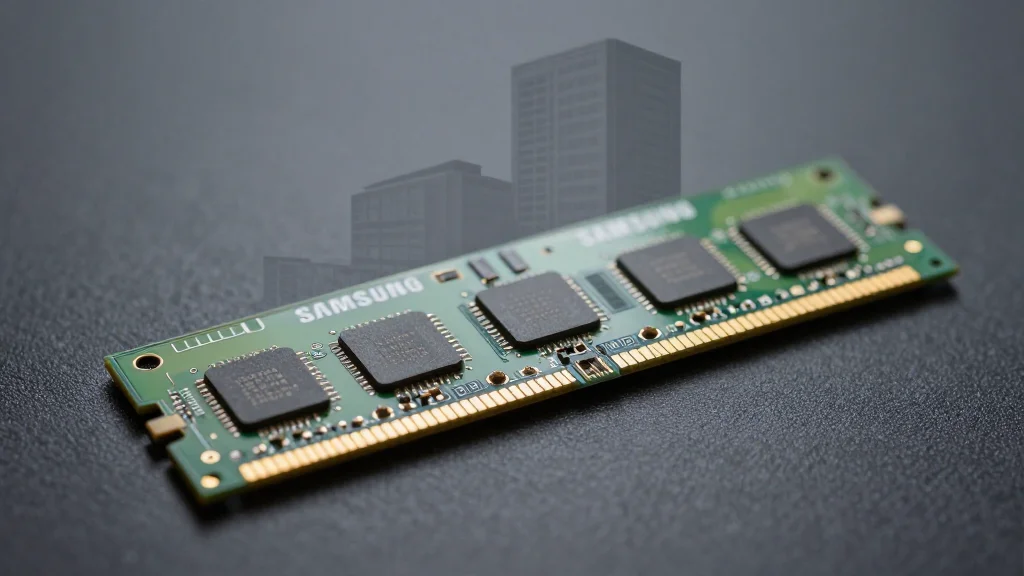
Samsung's AI‑Driven Growth Tops $1 Trillion, Workers Secure Bonus Boost in Tentative Deal

Companies Mentioned
Why It Matters
Samsung’s breach of the $1 trillion market‑cap threshold underscores the transformative impact of AI on traditional hardware manufacturers, positioning the conglomerate as a bellwether for large‑cap performance in the AI era. The labor settlement highlights growing pressure on mega‑caps to share record profits with workers, a dynamic that could reshape compensation norms in high‑tech sectors worldwide. For investors, the dual narrative of explosive growth and rising labor costs creates a nuanced risk‑reward profile that will influence portfolio allocations to South Korean equities and broader AI‑linked hardware plays. Furthermore, the episode illustrates how supply‑chain vulnerabilities in memory chips can translate into macro‑economic risks. A prolonged strike would not only dent Samsung’s earnings but also disrupt global data‑center rollouts, potentially slowing AI adoption across industries. The outcome of the union vote will therefore have ramifications beyond Samsung’s balance sheet, affecting everything from semiconductor pricing to the competitive positioning of rivals like SK Hynix.
Key Takeaways
- •Samsung’s market cap exceeds $1 trillion after AI‑driven memory‑chip demand spikes.
- •Tentative labor deal scrapes 50% bonus cap, allocating 10.5% of semiconductor profits to bonuses.
- •More than 48,000 workers—about 40% of Samsung’s Korean staff—had planned an 18‑day strike.
- •Samsung’s quarterly operating profit rose over 8.5 times YoY, outpacing 2025 full‑year profit.
- •South Korea’s GDP contribution from Samsung tops 12%; any production halt could scar the national economy.
Pulse Analysis
Samsung’s ascent to a $1 trillion market cap is a textbook case of a legacy hardware maker reinventing itself through AI‑centric product demand. The memory‑chip boom, driven by data‑center expansion, has turned Samsung’s semiconductor division into a cash‑generating engine that now dwarfs many of its peers. However, the rapid profit surge has also intensified internal pressures, as employees compare their compensation to that of SK Hynix, which has already embraced a more aggressive bonus regime. The tentative agreement—while modest—signals a shift in corporate‑labor relations for South Korean chaebols, suggesting that future profit‑sharing may become a standard bargaining chip.
From an investment standpoint, Samsung’s growth narrative remains compelling, but the added labor cost introduces a new variable into earnings forecasts. Analysts will need to adjust models to reflect a higher fixed cost base, even as revenue trajectories stay upward. Moreover, the episode could catalyze a broader re‑evaluation of labor risk in large‑cap valuations, especially for firms with concentrated production footprints in geopolitically sensitive regions.
Looking ahead, the decisive factor will be whether the union ratifies the deal. A successful vote would likely stabilize Samsung’s share price and reinforce confidence in its ability to manage both AI‑driven growth and workforce expectations. Conversely, a failed vote could trigger a strike that not only dents Samsung’s quarterly results but also reverberates through the global semiconductor market, potentially prompting a re‑pricing of AI‑related equities. Investors should therefore monitor union sentiment, Samsung’s implementation timeline for the new bonus structure, and any regulatory responses from the South Korean government as key leading indicators.
Samsung's AI‑Driven Growth Tops $1 Trillion, Workers Secure Bonus Boost in Tentative Deal
Comments
Want to join the conversation?
Loading comments...