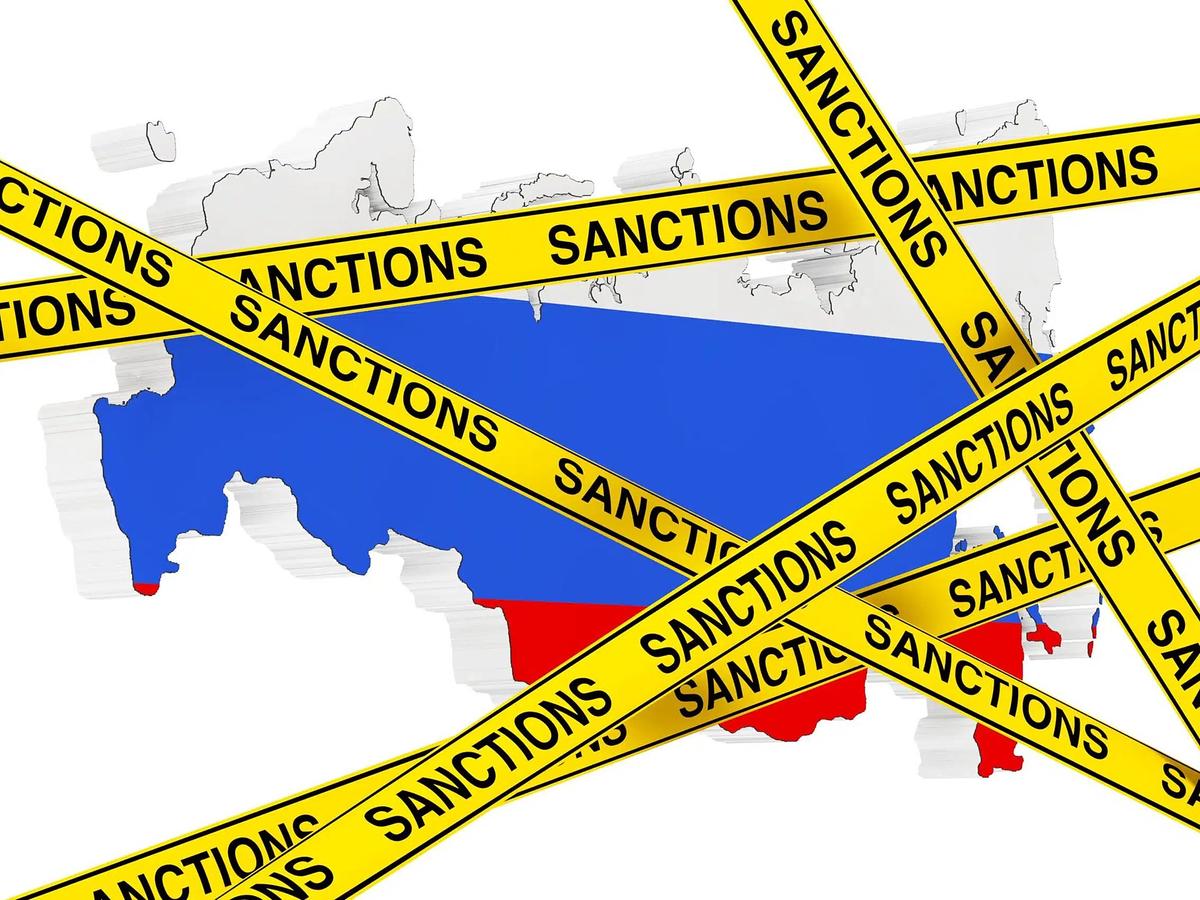
Sanctions Bleed Segezha Dry — Timber Giant’s Losses Quadruple to $1.1B
Why It Matters
Segezha’s sharp loss underscores how Western sanctions and a faltering Chinese market are reshaping Russia’s timber sector, forcing companies to rethink growth and financing strategies. The outcome signals broader risk for exporters reliant on a single overseas market amid geopolitical headwinds.
Key Takeaways
- •Net loss hit $1.1 B, four‑fold increase YoY
- •Revenue fell 12% to about $1 B amid weaker sales
- •China absorbed 77% of lumber, now dragging performance down
- •Capital spending slashed 37% to roughly $50 M, focusing on maintenance
- •New strategy targets cash‑flow stability and asset rehabilitation
Pulse Analysis
The latest financials from Segezha Group illustrate the crushing effect of post‑2022 sanctions on Russia’s timber giants. With European markets closed, the company’s export pipeline has narrowed to a single dominant buyer—China. The loss of $1.1 billion, driven by a 12% revenue dip and hefty write‑downs, highlights how a strengthening ruble and rising input costs can amplify the impact of geopolitical constraints. Analysts note that the asset impairments tied to frozen projects and revised production volumes signal a broader industry shift toward conserving cash rather than expanding capacity.
China’s slowdown compounds the challenge. Segezha shipped 2.1 million cubic metres of lumber in 2025, 77% of which went to Chinese buyers, yet the country’s real‑estate sector is in its fifth year of contraction, with new‑housing investment down 11% and commercial floor‑area sales falling 14% year‑on‑year. The resulting demand gap forced Segezha to boost domestic shipments by 50% and seek modest growth in the Eurasian Economic Union and CIS markets, but those volumes are a fraction of the lost European trade. The company’s flat birch plywood sales and a 9% drop in overall lumber volumes reflect the broader weakness in downstream furniture, flooring and transport applications.
In response, Segezha has slashed capex by 37% to roughly $50 million and pivoted to a cash‑flow‑centric medium‑term strategy. The plan emphasizes asset rehabilitation, operational efficiency and higher sales volumes through domestic channels. Simultaneously, the Russian forest sector is lobbying for a moratorium on creditor‑initiated bankruptcies and tax relief, fearing up to half of its firms could exit by 2026. Segezha’s restructuring illustrates how timber producers are adapting to a constrained export landscape while seeking to preserve financial stability amid ongoing sanctions and market headwinds.
Sanctions Bleed Segezha Dry — Timber Giant’s Losses Quadruple to $1.1B
Comments
Want to join the conversation?
Loading comments...