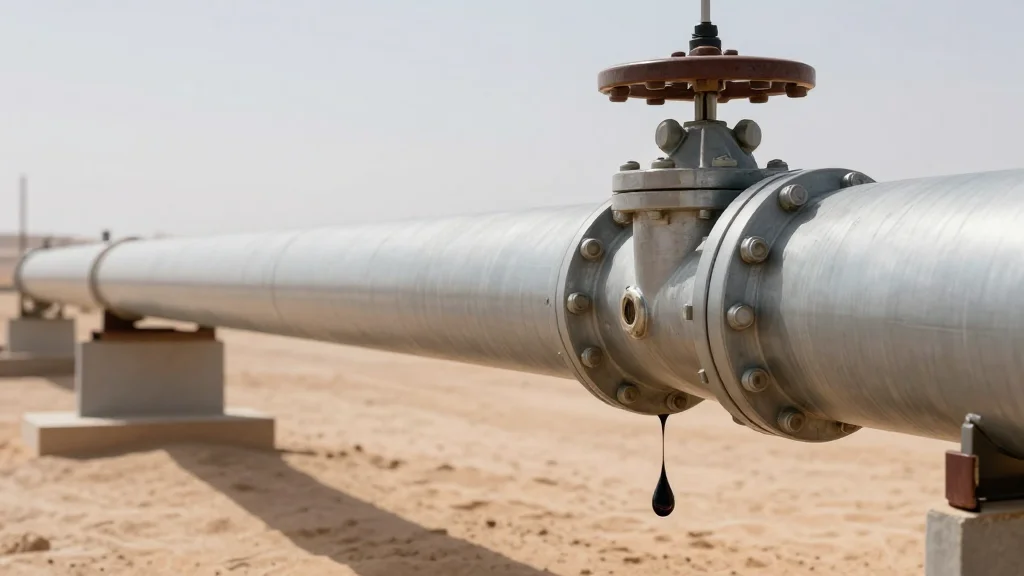
Saudi Aramco Q1 Profit Surges 25% to $32.5 B as Iran Conflict Disrupts Oil Flows

Companies Mentioned
Why It Matters
Aramco’s 25% profit surge illustrates how geopolitical shocks can instantly reshape earnings for the world’s largest oil producer, a bellwether for energy‑heavy large‑cap stocks. The rapid pivot to the East‑West pipeline demonstrates the strategic value of domestic logistics in mitigating supply‑chain risks, a lesson that other integrated majors may emulate. Moreover, the profit jump feeds into broader market sentiment, potentially lifting energy‑focused indices and influencing investor allocations toward oil and gas equities at a time when many portfolios are rebalancing for inflation‑linked returns. The conflict’s impact on the Strait of Hormuz also raises longer‑term questions about the resilience of global oil trade routes. If the waterway remains contested, large‑cap producers will need to invest heavily in alternative pipelines, rail, or maritime strategies, reshaping capital spending patterns across the sector. Aramco’s experience may set a precedent for how state‑owned giants balance geopolitical risk with shareholder expectations, especially regarding dividend stability and growth.
Key Takeaways
- •Aramco Q1 profit rose 25% to $32.5 billion, driven by higher Brent prices and pipeline rerouting.
- •East‑West pipeline now runs at full 7 million‑barrel‑per‑day capacity to bypass the Strait of Hormuz.
- •Brent crude climbed to $103.91 per barrel, up 2.58% on the day of the report.
- •Aramco’s earnings boost lifts energy‑heavy large‑cap indices, but annual profit fell 12% in 2025.
- •Geopolitical risk in the Strait of Hormuz forces oil majors to reconsider export infrastructure.
Pulse Analysis
Aramco’s Q1 performance is a textbook case of how a state‑owned oil behemoth can turn a geopolitical crisis into a profit catalyst. The company’s swift activation of its East‑West pipeline not only preserved export volumes but also sent a clear market signal that domestic logistics can offset external chokepoints. Historically, oil majors have relied on maritime routes; Aramco’s pivot may accelerate a broader industry shift toward inland transport diversification, especially as the Strait of Hormuz remains a flashpoint.
From a valuation perspective, the profit surge could temporarily compress the discount to earnings that large‑cap energy stocks typically carry during periods of heightened risk. Investors may re‑price the sector’s risk premium, rewarding firms with robust domestic infrastructure while penalizing those overly dependent on vulnerable sea lanes. However, the underlying 12% annual profit decline warns that the boost may be fleeting if the conflict eases and Brent prices retreat.
Looking ahead, the key question is whether Aramco will double down on pipeline capacity or seek new export corridors, such as rail links to the Red Sea or partnerships with neighboring Gulf states. Any capital allocation toward these projects will likely be reflected in future earnings guidance and could influence dividend policy, a critical factor for income‑focused investors. In sum, Aramco’s Q1 results underscore the intertwined nature of geopolitics, infrastructure, and market sentiment in shaping the fortunes of large‑cap energy stocks.
Saudi Aramco Q1 Profit Surges 25% to $32.5 B as Iran Conflict Disrupts Oil Flows
Comments
Want to join the conversation?
Loading comments...