Saudi Aramco’s Q1 Profit up 26% After Iran War-Driven Oil Price Rise
Companies Mentioned
Why It Matters
The results illustrate how geopolitical shocks can instantly boost earnings for integrated oil majors, while highlighting Aramco’s logistical agility in maintaining export flows amid severe shipping constraints.
Key Takeaways
- •Q1 net income rose 26% to 126 bn riyals ($33.6 bn).
- •Brent hit $100/barrel, driving higher crude revenues.
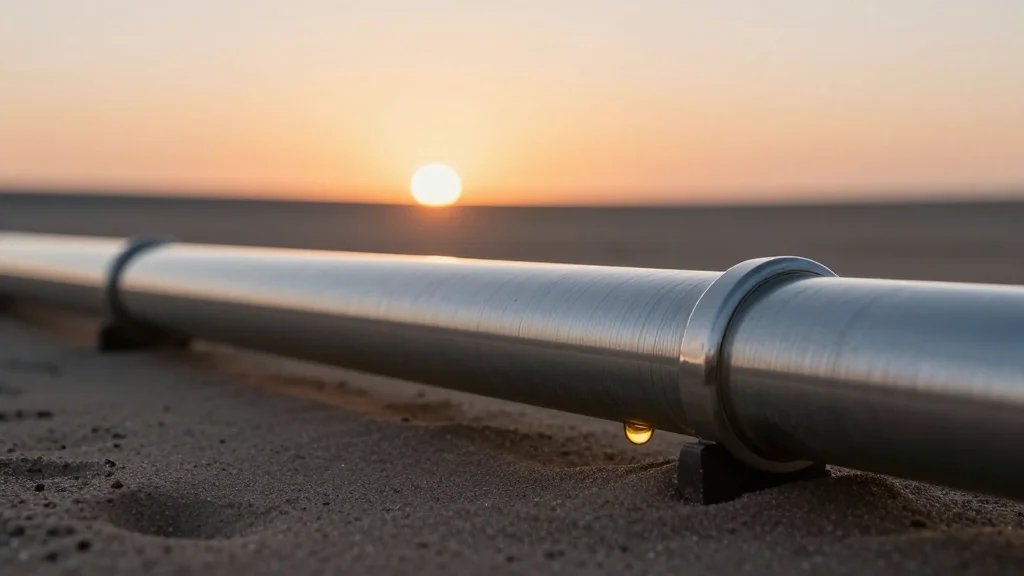
- •East‑West pipeline ran at 7 m bpd, 70% of pre‑war exports.
- •Crude sold at $76.90/barrel, up from $64.10 last quarter.
- •Trading unit used stealth ships, turning off transponders in Strait.
Pulse Analysis
The escalation of hostilities in the Strait of Hormuz has reignited the classic supply‑demand dynamics that dominate global oil markets. With Iran’s de‑facto blockade, Brent futures surged past $100 per barrel, a level not seen in four years, and lifted the price of Saudi crude to $76.90 a barrel in Q1. This price spike translated directly into a 26% increase in Aramco’s adjusted net income, allowing the company to comfortably beat analyst forecasts of 109 billion riyals. The windfall underscores how quickly geopolitical risk premiums can translate into headline earnings for the world’s largest oil producer.
Beyond price, Aramco’s operational response has been pivotal. The East‑West pipeline, a 950‑kilometer conduit linking eastern fields to the Red Sea port of Yanbu, operated at full 7 million‑barrel‑per‑day capacity, effectively rerouting shipments away from the contested Hormuz corridor. This logistical flexibility helped restore export volumes to about 70% of pre‑conflict levels, cushioning the impact of regional production cuts. Moreover, the company’s trading arm adopted low‑visibility shipping tactics—turning off AIS transponders—to move crude through the strait while minimizing exposure to potential attacks, a practice that signals a broader industry shift toward risk‑mitigation in contested waterways.
For investors, Aramco’s Q1 performance sends a clear signal: the firm can leverage both price volatility and strategic infrastructure to protect its bottom line. However, the reliance on a single chokepoint and the use of stealth vessels also expose the company to heightened operational and reputational risks if the conflict escalates further. Analysts will watch upcoming guidance closely, particularly regarding pipeline utilization, future export allocations, and the potential for sustained high oil prices. In a market where energy security is increasingly politicized, Aramco’s ability to navigate geopolitical turbulence will remain a key determinant of its long‑term valuation.
Saudi Aramco’s Q1 profit up 26% after Iran war-driven oil price rise
Comments
Want to join the conversation?
Loading comments...