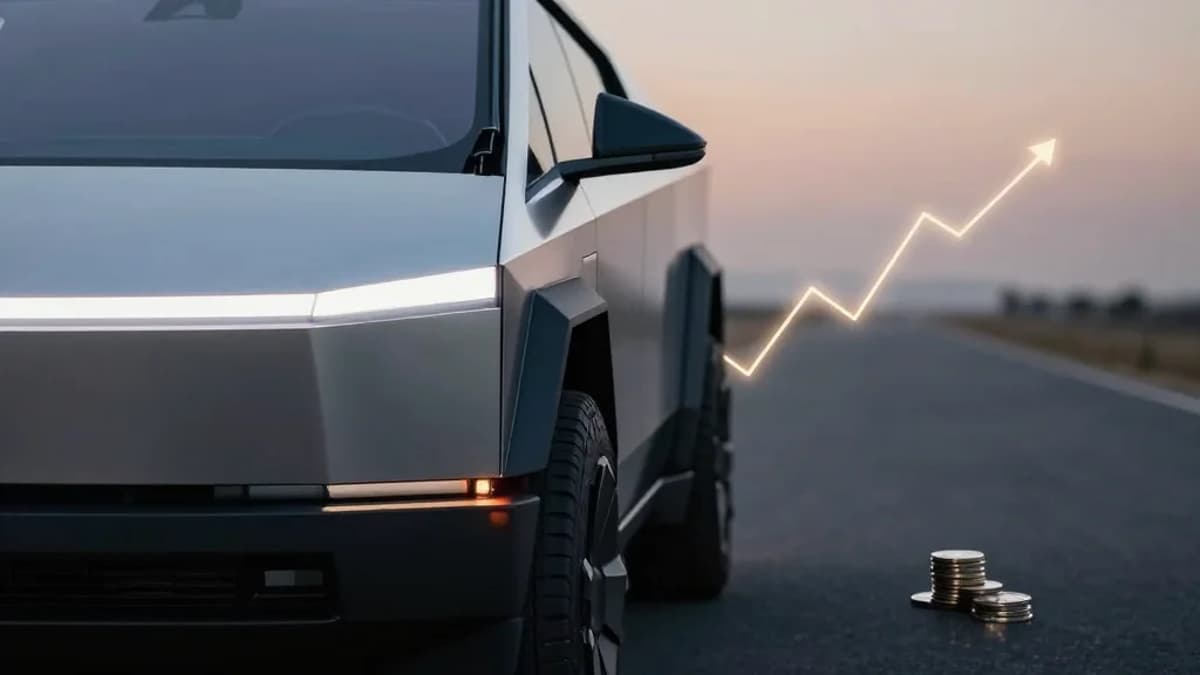
Tesla Is Making the Cybertruck Cheaper because It's Still Not Selling
•February 20, 2026
0
Companies Mentioned
Why It Matters
The price cuts could revive demand for Tesla’s flagship electric truck, a segment where pickup sales drive overall EV volume growth. Success or failure will influence Tesla’s market positioning against legacy automakers entering the electric pickup space.
Key Takeaways
- •Tesla cuts Cybertruck base price to $59,990.
- •Q4 2025 sales dropped 68% YoY.
- •New trim reduces features, keeps utility.
- •Cyberbeast price lowered to $99,990.
- •Limited‑time offer tests price elasticity.
Pulse Analysis
The electric pickup market has become a battleground for automakers seeking to capture high‑margin, brand‑building sales. Tesla’s Cybertruck, with its distinctive stainless‑steel exoskeleton, was positioned as a halo product, but its premium pricing limited mainstream adoption. By introducing a $59,990 dual‑motor variant and a ten‑day urgency cue, Tesla is employing classic price‑elasticity testing, hoping to convert interest into orders while keeping the vehicle’s core utility features intact.
Sales data reveal why the price move matters. U.S. Cybertruck deliveries fell from 38,965 in 2024 to 20,237 in 2025, a 48.1% decline, and Q4 volumes plunged 68% year‑over‑year. The slowdown reflects broader pickup market softness, lingering quality recalls, and growing competition from Ford’s F‑150 Lightning and Rivian’s R1T, which offer more conventional designs at comparable price points. Tesla’s decision to trim interior materials and drop the Luxe Package signals a shift from a premium‑only narrative toward a more value‑oriented proposition.
If the limited‑time discount spurs a measurable uptick, it could bolster Tesla’s revenue mix and reinforce its leadership in the EV pickup segment, pressuring rivals to reconsider pricing strategies. Conversely, a muted response may prompt further cuts or bundle incentives, eroding margins but preserving volume. Either outcome will shape investor sentiment on Tesla’s ability to monetize its brand cachet while navigating an increasingly crowded electric truck arena.
Tesla is making the Cybertruck cheaper because it's still not selling
0
Comments
Want to join the conversation?
Loading comments...