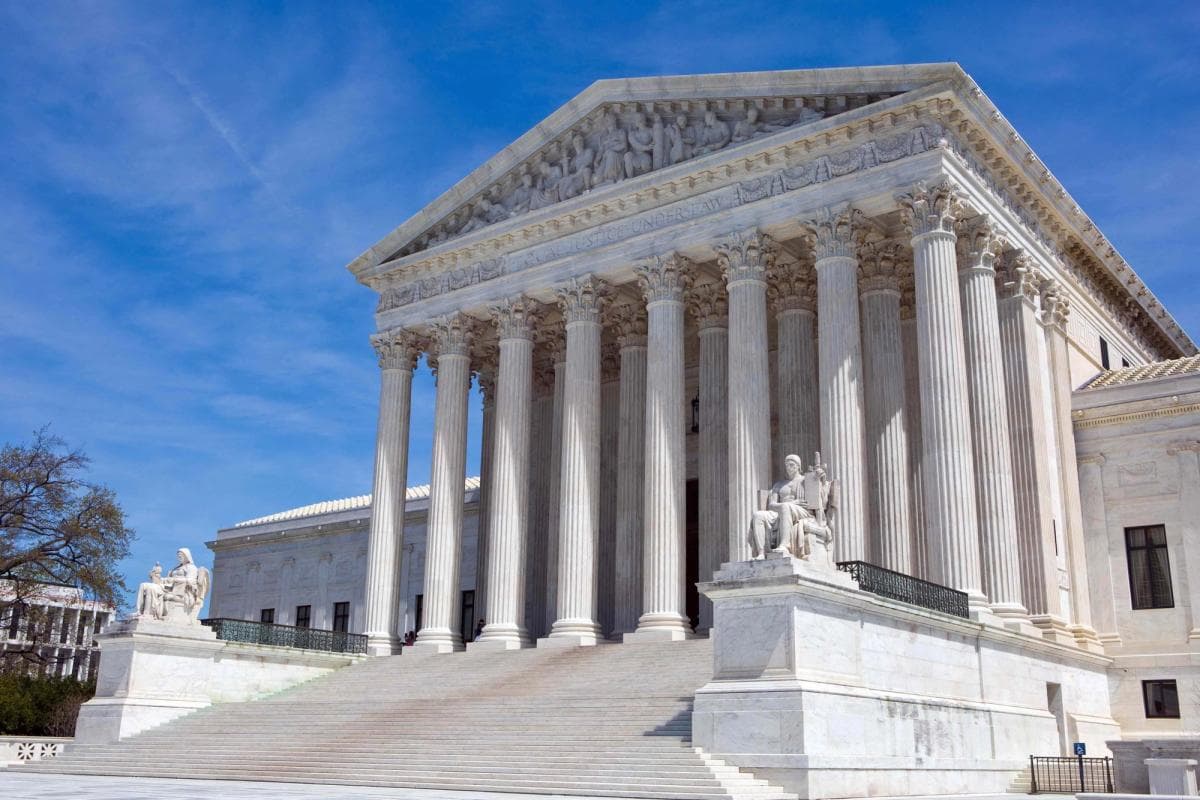
After Major Voting Rights Ruling, Parties Dispute Whether the Supreme Court Should Finalize Decision Immediately to Allow Changes to Louisiana’s Congressional Map
Key Takeaways
- •Non‑African American voters petition SCOTUS to skip 32‑day waiting period
- •Louisiana governor postponed congressional primaries to allow new map
- •New map expected to favor Republicans, potentially adding seats
- •Black voters seek rehearing and urge court to delay judgment
- •District court orders state to file compliance brief within three days
Pulse Analysis
The Supreme Court’s recent decision in *Louisiana v. Callais* struck down the state’s 2024 congressional map as a violation of the Equal Protection Clause, reigniting a fierce legal battle over how quickly the ruling must be implemented. Under normal procedure, the Court provides a 32‑day window before transmitting its opinion to lower courts, a safeguard intended to give parties time to assess the judgment and prepare motions. In this case, a group of non‑African American voters argued that the window would compress the already tight timeline for redrawing districts, potentially forcing the state to hold primaries on an unconstitutional map. Their request to expedite the opinion reflects a broader trend of litigants seeking rapid enforcement when electoral calendars loom.
Louisiana’s political calculus adds another layer of urgency. Governor Jeff Landry, citing an emergency, delayed the May 16 congressional primaries and urged the legislature to craft a new map that could solidify Republican dominance. With four of six House seats currently held by Republicans, a revised map could add one or two more seats, reshaping the state’s influence in the U.S. House and affecting national party balances. The move underscores how redistricting battles are not merely legal disputes but strategic maneuvers that can tilt electoral outcomes, especially in swing states where a few districts determine the partisan split.
The procedural tug‑of‑war continues as Black voter coalitions push back, demanding a rehearing and arguing that any immediate implementation would disenfranchise voters who have already mailed ballots for the 2026 election. The federal district court’s order for Louisiana to file a compliance brief within three days signals the judiciary’s insistence on swift adherence to constitutional mandates, yet it also leaves room for further litigation. This clash highlights the delicate balance courts must strike between upholding voting rights and respecting election timelines, a dynamic that will likely influence future Supreme Court rulings on redistricting and the speed at which remedial maps are adopted.
After major voting rights ruling, parties dispute whether the Supreme Court should finalize decision immediately to allow changes to Louisiana’s congressional map
Comments
Want to join the conversation?