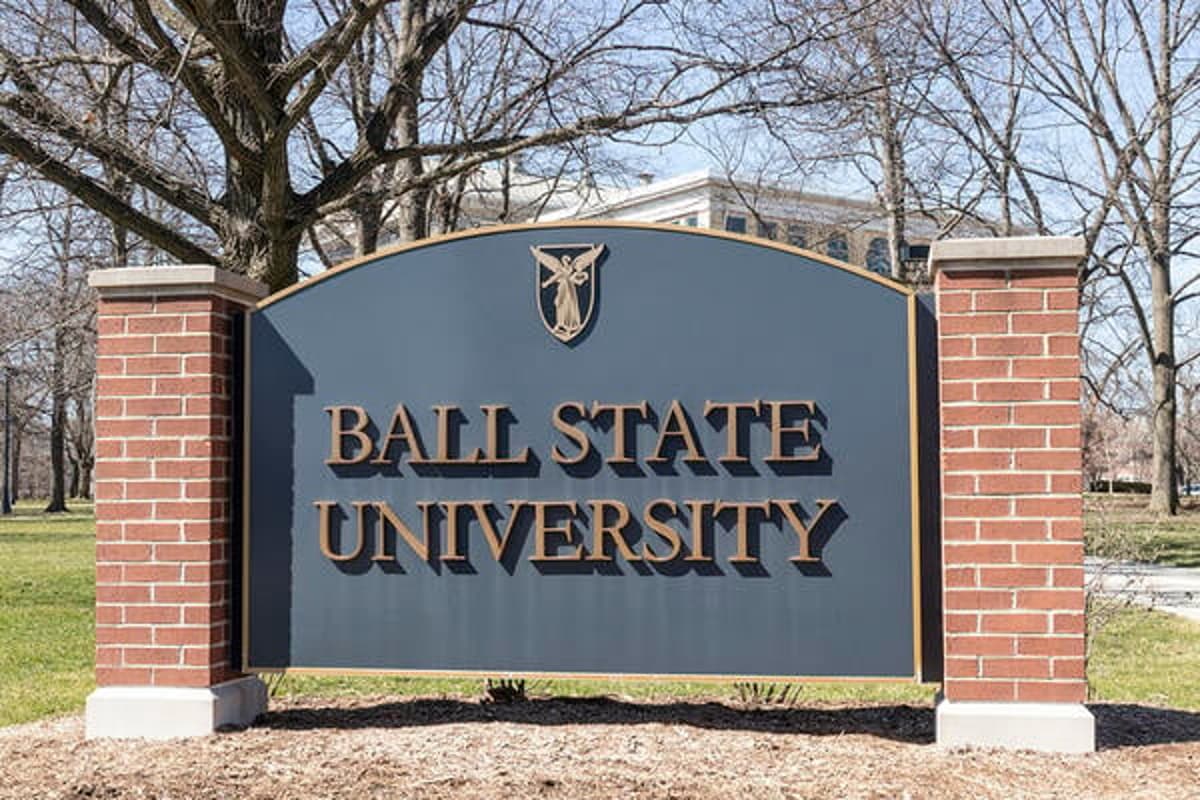
Ball State President Settles Free Speech Lawsuit
Key Takeaways
- •President Mearns signed termination, settled ACLU lawsuit.
- •Settlement terms undisclosed; case dismissed pending final agreement.
- •Firing sparked debate over faculty free‑speech rights.
- •Similar lawsuits have led to settlements for other dismissed employees.
- •Ball State's protest rule also under ACLU legal challenge.
Pulse Analysis
The Ball State settlement arrives amid a national surge of First Amendment suits targeting universities that have disciplined employees for political commentary. Suzanne Swierc’s Facebook post, which expressed sorrow over Charlie Kirk’s death while condemning his rhetoric, was deemed disruptive by the administration, leading to her termination. By signing the termination letter, President Geoffrey Mearns placed himself directly in the legal crosshairs. The ACLU of Indiana’s involvement and the subsequent settlement reflect a growing willingness of civil‑rights groups to challenge campus policies that appear to curb speech, even when the speech is controversial or unpopular.
Beyond the individual case, the settlement signals a broader shift in how higher‑education institutions manage speech‑related disputes. Recent rulings have favored employees, prompting universities to reassess disciplinary protocols and social‑media guidelines. The pattern of settlements—including those involving other staffers dismissed for Kirk‑related remarks—suggests that courts are increasingly scrutinizing the balance between institutional order and constitutional rights. Administrators now face heightened pressure to demonstrate that any employment action is narrowly tailored to a legitimate educational interest, rather than a reaction to dissenting viewpoints.
Looking ahead, Ball State’s experience may catalyze policy revisions across campuses. The university is simultaneously confronting ACLU challenges to its protest‑free zone rule and directives requiring student compliance with official orders, indicating a comprehensive legal push against restrictive campus regulations. Institutions may adopt clearer, speech‑neutral policies, provide robust due‑process protections, and engage in proactive training to mitigate litigation risk. As the legal landscape evolves, universities that proactively align their conduct codes with First Amendment jurisprudence are likely to avoid costly settlements and preserve academic freedom.
Ball State President Settles Free Speech Lawsuit
Comments
Want to join the conversation?