Beyond the DOJ Complaint: Potential Exclusionary Conduct Theories in the Apple Ecosystem
Key Takeaways
- •DOJ alleges Apple neutralizes technologies that reduce platform dependence.
- •Apple controls iOS functionalities at roughly 99% market share.
- •The iOS EULA may serve as an exclusive‑dealing agreement.
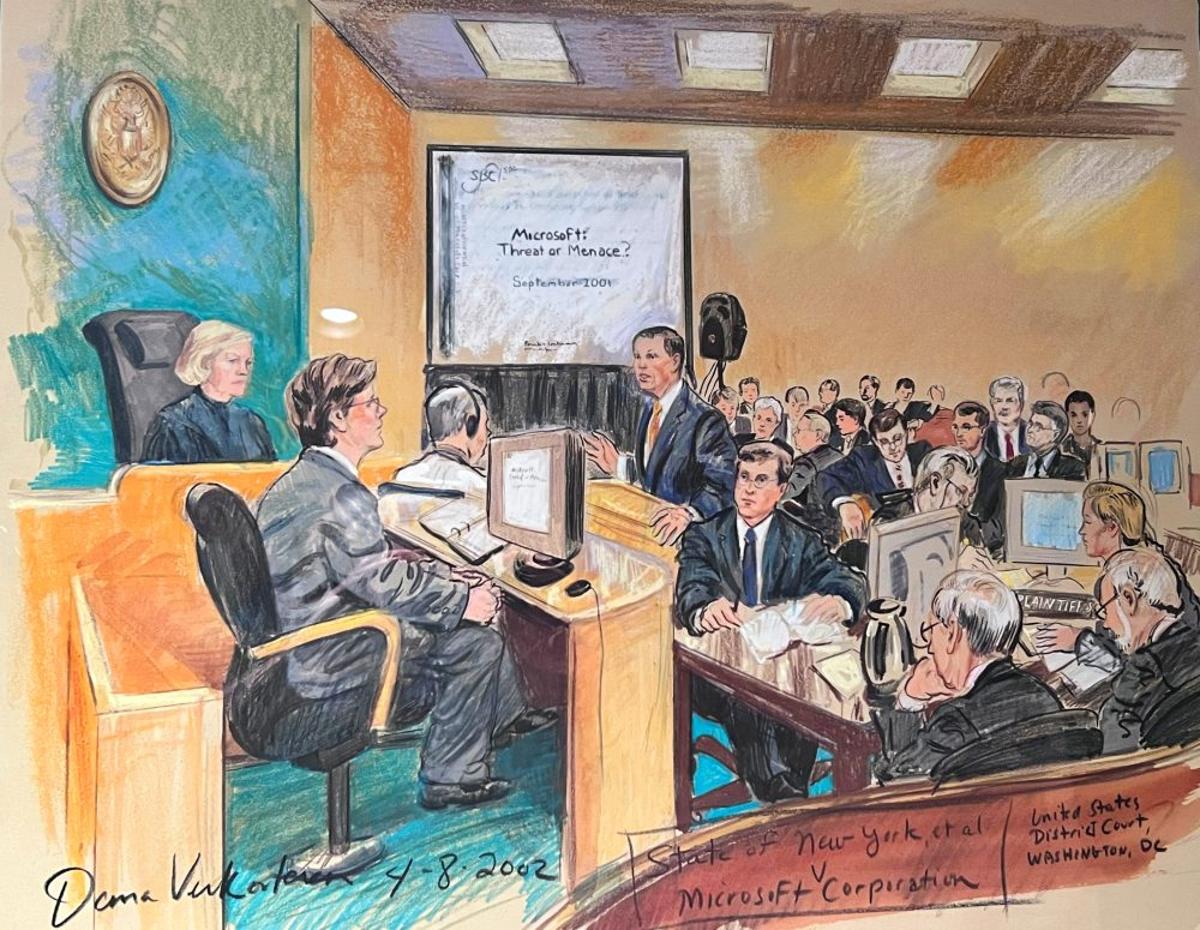
- •Courts could apply Microsoft antitrust precedent to Apple’s platform restrictions.
Pulse Analysis
The Department of Justice’s latest antitrust filing marks a pivotal moment in the scrutiny of platform power. While Apple’s smartphone share hovers near 70%, the more consequential figure is its near‑total dominance of iOS functionalities—estimated at 99 percent. This dual‑market grip gives Apple the ability to shape the ecosystem from hardware through to app distribution, creating high barriers for rivals that attempt to introduce alternative middleware, super‑apps, or digital‑wallet solutions. The complaint argues that such conduct goes beyond vigorous competition, constituting a systematic effort to suppress innovation that could erode Apple’s ecosystem lock‑in.
Legal scholars are dissecting the complaint’s reliance on classic antitrust doctrines. By framing the iOS End‑User License Agreement as an exclusive‑dealing contract, plaintiffs aim to sidestep the need for a single‑brand market definition, instead focusing on “substantial foreclosure” of competitors. The EULA’s restrictions on API access, app review, and in‑app payments could also underpin tying claims, arguing that Apple conditions platform use on the acceptance of its own distribution rules. Moreover, the DOJ’s narrative of “dangerous probability of success” seeks to satisfy attempted monopolization standards, emphasizing Apple’s demonstrated willingness to neutralize emerging technologies.
If courts adopt the Microsoft precedent—where contractual and technical shackles were deemed exclusionary under Section 2—Apple may confront a new frontier of liability that extends beyond the Epic v. Apple verdict. Such a ruling would empower developers and rival firms to challenge opaque platform controls, potentially prompting Apple to relax its EULA terms and open its APIs. The broader market impact could be a more competitive app landscape, increased innovation in cross‑platform services, and a recalibration of how antitrust law addresses modern digital ecosystems.
Beyond the DOJ Complaint: Potential Exclusionary Conduct Theories in the Apple Ecosystem
Comments
Want to join the conversation?