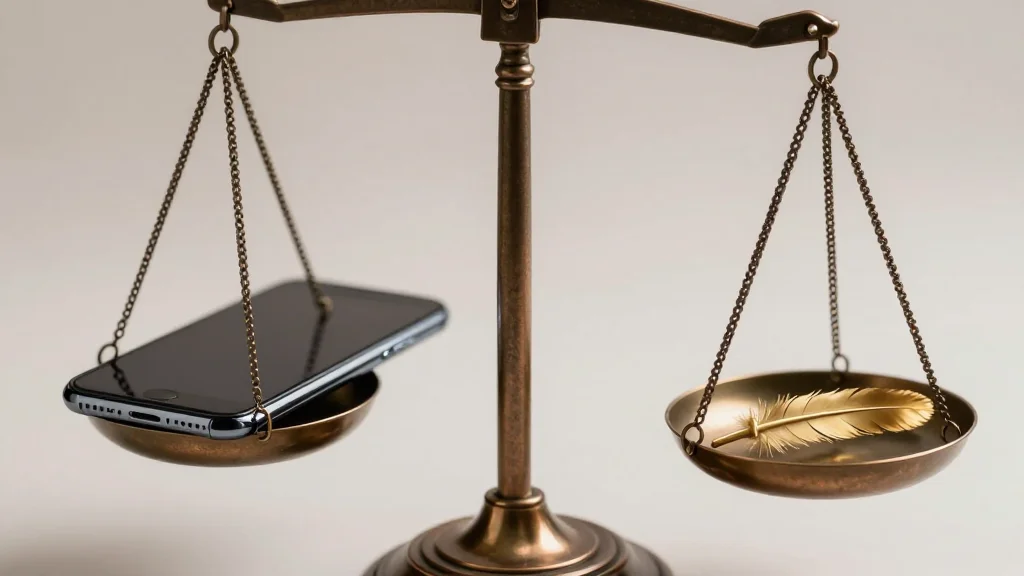
“Bringing a Smartphone to a Bank Robbery? 4th Amendment Issue Hits Supreme Court; Okello Chatrie Was Convicted of Bank Robbery After Police Tracked Him Down Through His Smartphone; But He Contends the Search Violated the Fourth Amendment and the Potential Abuse Is ‘Breathtaking.’”
Key Takeaways
- •Supreme Court to decide if geofence data requires a warrant
- •Conviction based on phone location sparks Fourth Amendment debate
- •Decision could reshape digital privacy standards nationwide
- •Law‑enforcement may need new protocols for mobile data collection
- •Potential ripple effects on other tech‑driven investigations
Pulse Analysis
The Supreme Court’s upcoming hearing on Okello Chatrie’s case marks a pivotal moment for digital privacy law. In 2018, the Court’s Carpenter v. United States decision required a warrant for historical cell‑site location information, but the technology has evolved dramatically since then. Chatrie’s conviction hinged on a real‑time geofence search—an automated sweep of all devices within a defined radius—raising the question of whether such instantaneous tracking is a search under the Fourth Amendment. Legal scholars are divided: some argue the data is akin to a physical trespass, while others contend that the ubiquitous nature of smartphones diminishes expectations of privacy.
If the Court rules that warrantless geofence data violates constitutional protections, law‑enforcement agencies will need to overhaul investigative procedures. Agencies would have to obtain judicial authorization before deploying location‑tracking tools, potentially slowing response times in time‑critical cases like robberies or kidnappings. Conversely, a decision upholding the current practice could embolden broader use of digital surveillance, extending beyond criminal investigations to civil contexts such as immigration enforcement and workplace monitoring. The outcome will also influence lower courts, which have issued conflicting rulings on similar technology, creating a patchwork of standards across the country.
Beyond the courtroom, the case reverberates through the tech industry and consumer expectations. Companies that collect location data—ranging from smartphone manufacturers to app developers—may face heightened scrutiny and pressure to implement stronger privacy safeguards. Businesses that rely on geofencing for marketing or logistics will need to reassess compliance frameworks to avoid inadvertent legal exposure. For executives, staying informed about the Court’s interpretation of digital searches is essential to mitigate risk and protect brand reputation in an era where data privacy is a competitive differentiator. The decision will likely become a cornerstone citation for future privacy litigation, shaping the balance between security and individual rights for years to come.
“Bringing a smartphone to a bank robbery? 4th Amendment issue hits Supreme Court; Okello Chatrie was convicted of bank robbery after police tracked him down through his smartphone; But he contends the search violated the Fourth Amendment and the potential abuse is ‘breathtaking.’”
Comments
Want to join the conversation?