Can AI-Assisted Arbitral Awards Survive Enforcement Under the New York Convention?
Key Takeaways
- •AAA‑ICDR pilot uses AI to draft awards for human review.
- •Article V(1)(b) may block awards with undisclosed AI reasoning.
- •Courts in Singapore, France differ on AI‑driven award enforceability.
- •Institutional guidelines stress human responsibility despite AI assistance.
- •Enforcement risk rises when AI drafts substantive award reasoning.
Pulse Analysis
Artificial intelligence is moving from a supportive role in arbitration—such as document review and evidence summarisation—to actually drafting the reasoning behind awards. The AAA‑ICDR pilot, trained on more than 1,500 construction awards, demonstrates how quickly the technology can produce near‑final decisions. Yet, despite a 91% practitioner consensus that AI will handle legal research, the reluctance to let machines author awards stems from a lack of procedural transparency, a core requirement of the New York Convention’s enforcement regime.
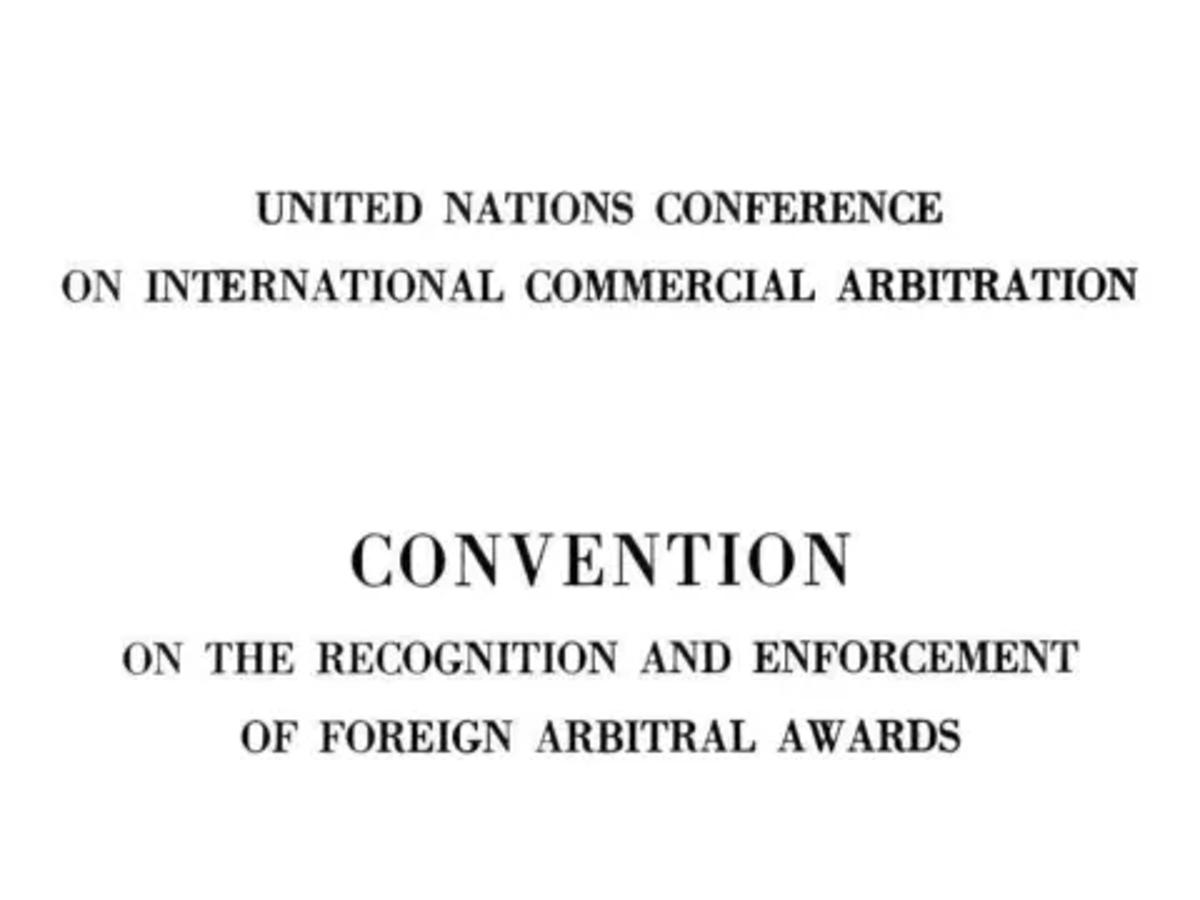
The Convention’s Articles V(1)(b), V(1)(d) and V(2)(b) were crafted for human deliberation, not opaque algorithmic outputs. Article V(1)(b) bars enforcement when a party cannot present its case, which could be triggered by undisclosed AI reasoning that introduces arguments the parties never saw. Article V(1)(d) may apply where parties expressly prohibit AI use in procedural orders, while the broad public‑policy ground of Article V(2)(b) allows courts to reject awards that lack genuine human deliberation. Singapore courts have taken a measured stance, allowing AI assistance but insisting on human control, whereas French courts, backed by the EU AI Act, deem legal AI tools high‑risk and demand human‑led adjudication.
Institutional bodies such as CIArb now issue guidelines insisting that arbitrators retain full responsibility for award content, regardless of AI input. However, these guidelines are not binding on national courts, which will interpret the Convention’s text and their own jurisprudence. Practitioners must therefore disclose AI involvement, ensure rigorous human review, and tailor procedural clauses to mitigate enforcement risk. As the first contested AI‑assisted awards reach courts, the arbitration community will watch closely to see how existing legal frameworks adapt to this technological shift.
Can AI-Assisted Arbitral Awards Survive Enforcement Under the New York Convention?
Comments
Want to join the conversation?