Congress Narrowed the GUARD Act, But Serious Problems Remain
Key Takeaways
- •Revised GUARD Act targets AI companions, not all chatbots.
- •Age‑verification still requires real‑world ID, raising privacy concerns.
- •Penalties increased to $250,000 per violation, pressuring developers.
- •Vague definitions may unintentionally cover customer‑service chat tools.
- •Over‑restriction could limit beneficial AI use for teens and families.
Pulse Analysis
The push to regulate artificial intelligence has intensified as lawmakers grapple with protecting vulnerable users without choking technological progress. The original GUARD Act sparked alarm because its language could have swept up virtually every AI‑driven chatbot or search engine, forcing blanket compliance. By narrowing the definition to "AI companions"—systems that engage users in emotional disclosures—the revised bill attempts to focus on the most contentious applications, yet it still leaves the boundary between companion and utility chat tools hazy, opening the door for unintended coverage.
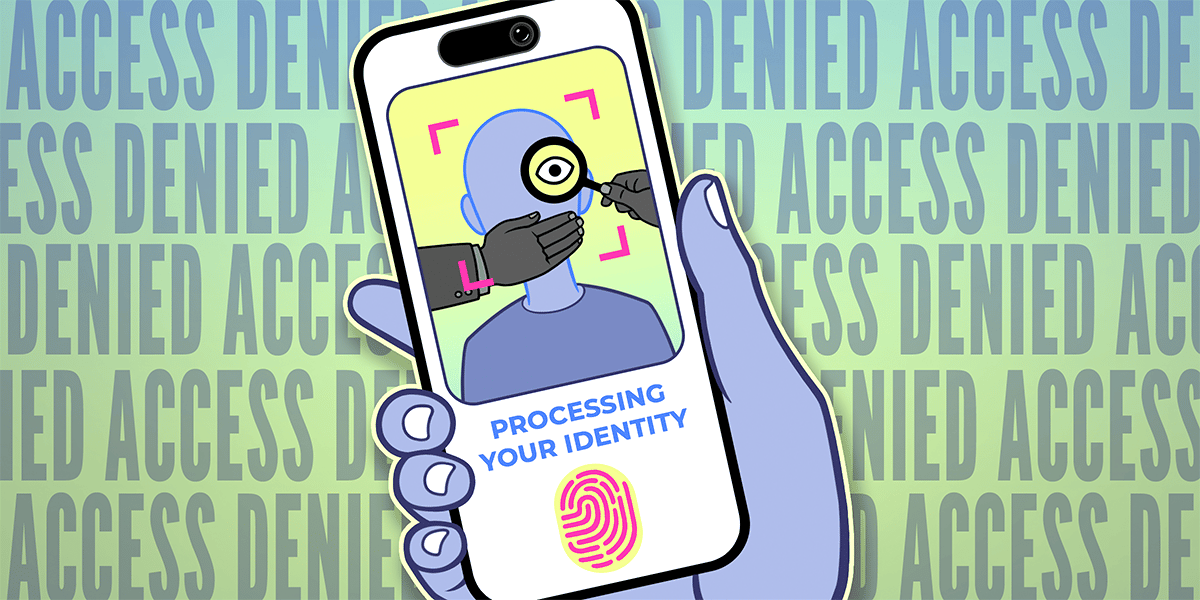
At the heart of the controversy is the bill’s age‑verification requirement. Companies must now tie access to real‑world identifiers such as financial records or government‑issued IDs, a step that raises red flags for privacy advocates. Millions of Americans lack stable digital identities, and the mandatory linkage creates a surveillance‑like profile for anyone seeking to use an AI companion. This not only deters legitimate users—parents who rely on conversational AI for educational or therapeutic purposes—but also amplifies data‑security risks, as sensitive personal information becomes a prerequisite for online interaction.
The financial stakes further complicate the landscape. Raising fines from $100,000 to $250,000 per violation dramatically increases liability for both large firms and indie developers. Faced with vague standards and steep penalties, many smaller players may pre‑emptively block minors or strip emotional features altogether, curbing the very benefits the technology can provide. Industry observers suggest that targeted enforcement against proven abusers, coupled with privacy‑preserving verification methods, would better balance safety with innovation, preserving both consumer choice and the growth of responsible AI services.
Congress Narrowed the GUARD Act, But Serious Problems Remain
Comments
Want to join the conversation?