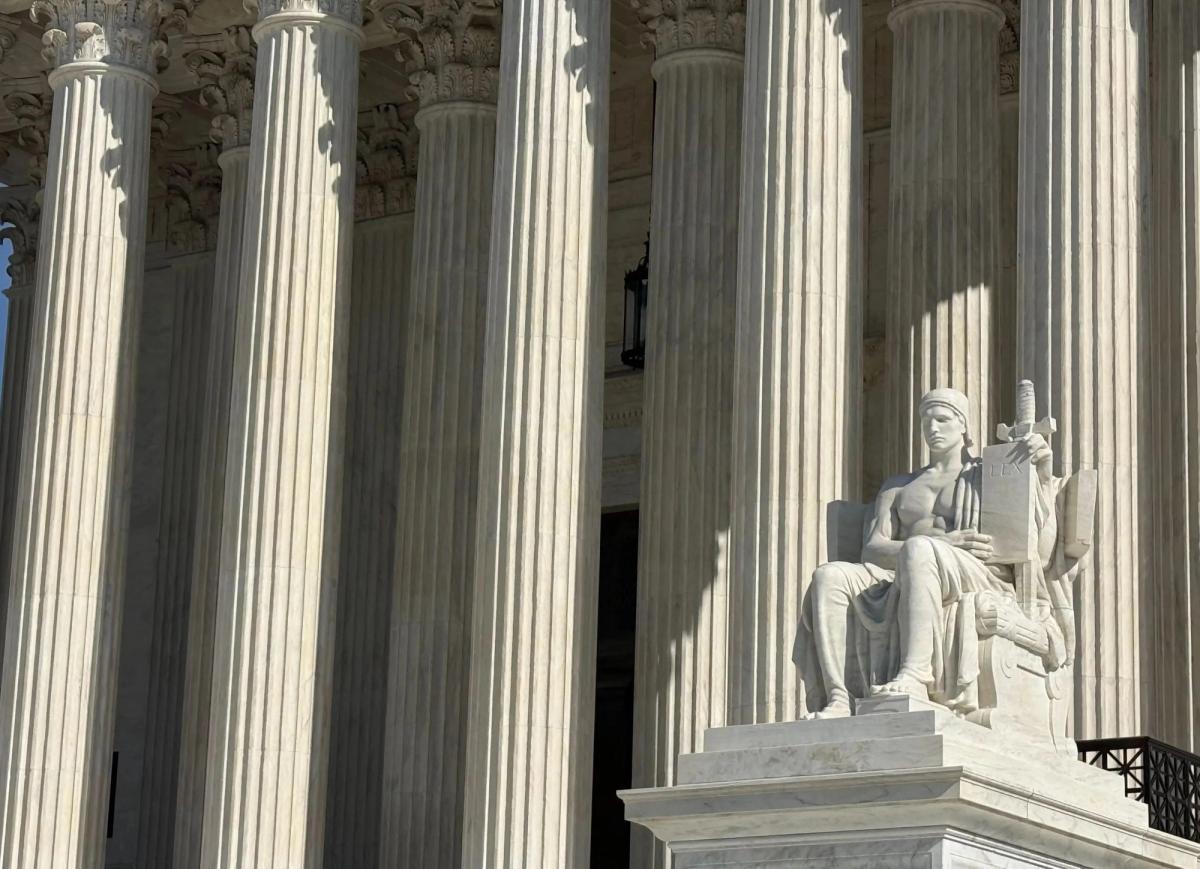
Court Decides to Hear Additional Case Next Term, Turns Down Petition From Parents Challenging School Gender-Identity Policy
Key Takeaways
- •Supreme Court to review DOL’s H‑2A enforcement authority
- •Sun Valley Orchards fined >$500,000 for H‑2A violations
- •Seasonal farm workers represent ~16% of U.S. agricultural labor
- •Court rejects review of Florida parents’ gender‑identity school challenge
- •Decision may shape future administrative‑law and education‑policy cases
Pulse Analysis
The Department of Labor’s push to enforce the H‑2A visa program has long hinged on its ability to levy penalties when employers breach housing, wage and transportation standards. Seasonal workers, who fill about one‑sixth of the U.S. agricultural labor pool, are especially vulnerable to exploitation, and the DOL argues that administrative hearings are a critical tool for swift compliance. By agreeing to hear Sun Valley Orchards’ case, the Supreme Court signals that it may reaffirm the agency’s enforcement powers, potentially restoring a deterrent against substandard conditions on farms nationwide.
The legal saga began when an administrative law judge upheld a half‑million‑dollar assessment against Sun Valley Orchards for squalid housing, unauthorized meal charges, and unlicensed driver use. The farm’s challenge to the DOL’s authority was dismissed by a district judge, but the 3rd Circuit reversed, insisting that constitutional due‑process requirements demand a federal court hearing. The Supreme Court’s grant of certiorari places the dispute at the apex of the judiciary, where the justices will weigh the balance between agency discretion and procedural safeguards, a question that could reverberate across all labor‑related regulatory regimes.
In a separate, brief order, the Court declined to review a Florida couple’s claim that a school’s gender‑identity curriculum violated their parental rights. Coupled with a recent denial of a similar Massachusetts case, the move underscores the Court’s reluctance to intervene in education‑policy battles absent clear constitutional stakes. Together, these decisions illustrate a nuanced judicial approach: while the Court may expand administrative reach in labor enforcement, it remains cautious about opening the floodgates to challenges against school policies, shaping the legal landscape for both workers’ protections and educational governance.
Court decides to hear additional case next term, turns down petition from parents challenging school gender-identity policy
Comments
Want to join the conversation?